For the style-conscious individual navigating the complexities of Binocular Vision Dysfunction (BVD), the sartorial landscape is shifting. We are entering the era of "Neuro-Optometric Chic," a 2026 movement where medical necessity and high-fashion craftsmanship converge. As an editor, I’ve watched the market for adaptive lenses grow by nearly 20% this year, signaling a demand for eyewear that provides a high "Visual ROI"—where the aesthetic value of the frame is matched only by its ability to facilitate neuro-rehabilitation and resolve visual misalignment symptoms.
Choosing the best glasses frames for BVD is no longer a compromise; it is an exercise in curated functionalism. Whether you are managing diplopia or seeking eye muscle strain relief, your choice of prism glasses frames acts as the foundation for your daily comfort and vestibular balance. In 2026, the trend report favors structural integrity, allowing patients to treat their corrective journey as an opportunity for a high-fashion statement.
Section 1: Structural Powerhouses—Acetate vs. Titanium
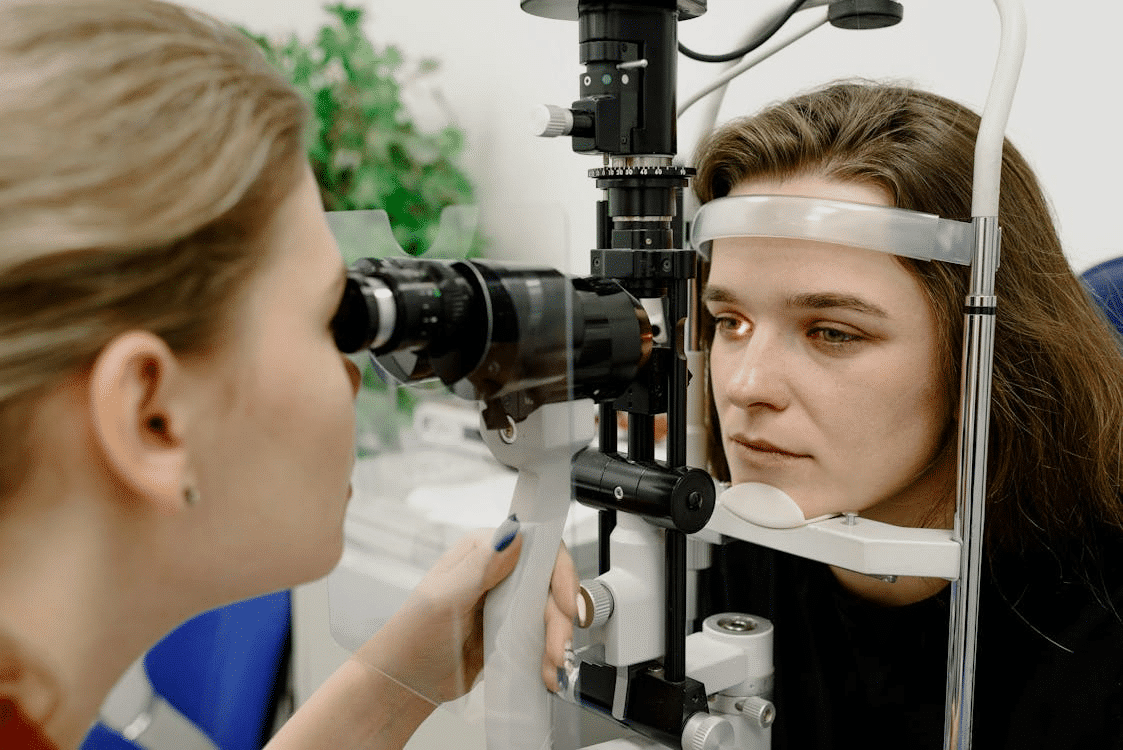
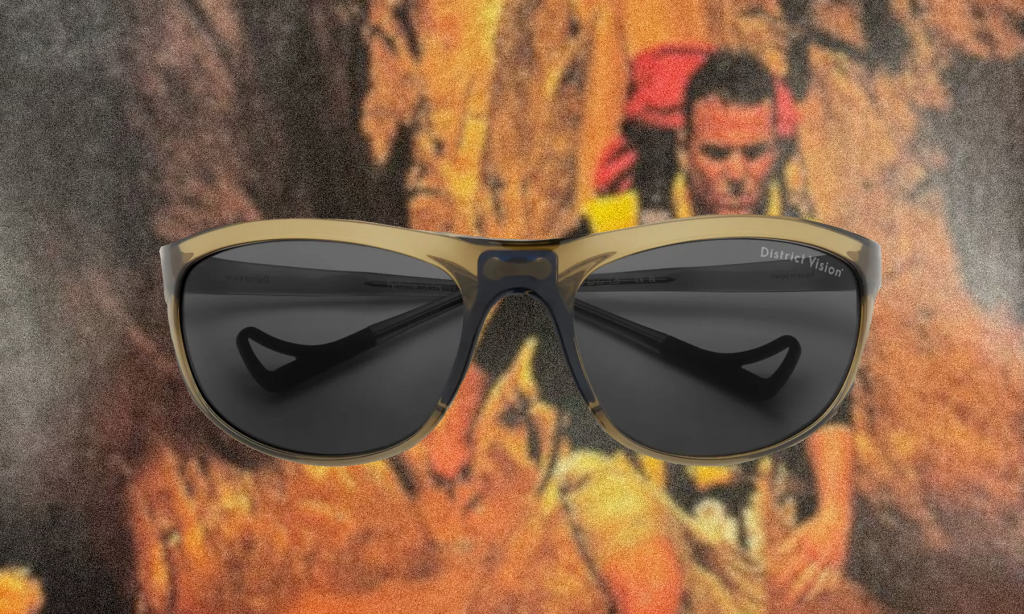
When selecting prism glasses frames, the material is your first line of defense against the physical weight of corrective optics. For those requiring a high-index lens material to manage significant prism prescriptions, thick acetate frames for prism lenses remain the gold standard. Acetate (specifically premium Zyl) offers the necessary "hide" for lens edge thickness, masking the tiered look often associated with high-prism values.
Conversely, for patients with high sensory sensitivity, 2026's lightweight titanium frames for BVD patients provide a "barely there" feel without sacrificing durability. While acetate provides a bold, sculptural look, titanium offers a sleek, minimalist alternative that resists warping under the tension of heavy lenses. The goal is to minimize eye muscle strain relief by ensuring the frame remains rigid and perfectly aligned throughout the day.
Section 2: Geometric Mastery—Hiding Depth with Style
The 2026 aesthetic is defined by bold, intentional shapes. Geometric and cat-eye frames to hide lens thickness have emerged as favorites for those managing vertical heterophoria. The upward sweep of a cat-eye or the structured corners of a hexagonal frame provide the vertical depth required for complex prism placement while drawing the observer's eye to the frame’s architecture rather than the lens's profile.
These stylish frames for vertical heterophoria lenses prove that diplopia management can be synonymous with a professional, polished look. When styled with relaxed tailoring or urban separates, these geometric silhouettes serve as a focal point. From a facial ergonomics perspective, these shapes allow for a wider field of view, which is essential for patients relearning spatial awareness. Using Zyl frame material in translucent tones like forest green or champagne allows the frame to feel substantial yet light on the face, blending medical utility with editorial flair.
Section 3: The Architecture of Fit—Bridges and Balance
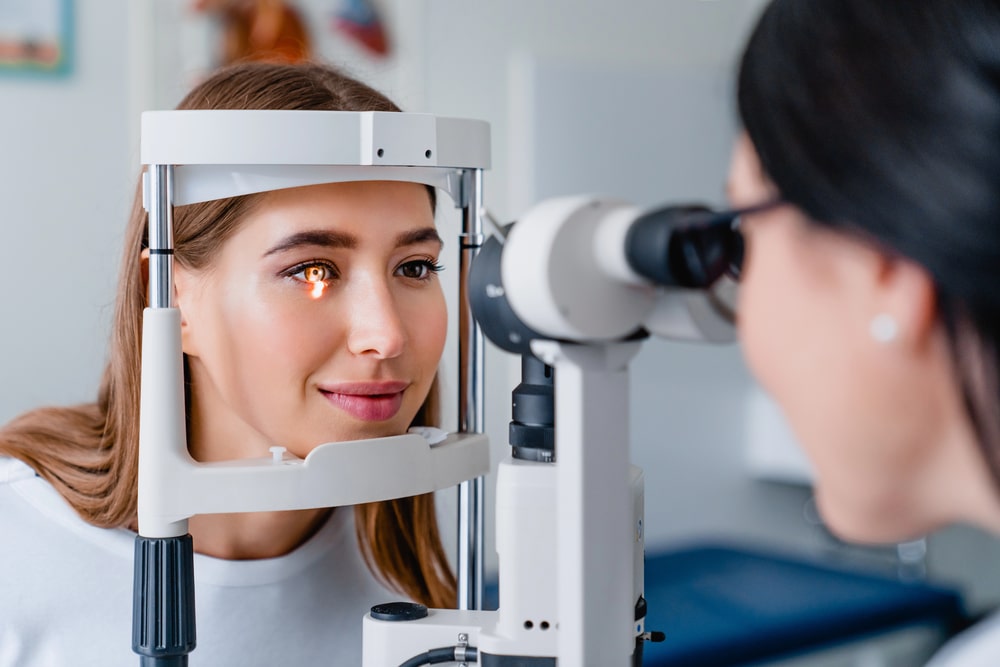
The success of any prism glasses frames lies in the optical center precision. Even a millimeter of slippage can disrupt the delicate prism alignment required for BVD relief. This is why 2026 eyewear emphasizes a keyhole bridge eyewear for comfort, which distributes the weight of the lenses across the sides of the nose rather than just the bridge.
For those with unique facial profiles, adjustable nose pads for prism lens alignment are non-negotiable. These allow your optician to fine-tune the vertex distance adjustment and pantoscopic tilt, ensuring that the light enters your eyes exactly as prescribed by your neuro-optometrist. Even small circular frames for high prism prescriptions are seeing a resurgence, as the centered geometry naturally reduces lens weight. Details such as silicone temple grips provide the "no-slip" security needed for active BVD patients, ensuring that your path to visual clarity is as steady as it is stylish.
Investing in your visual future means viewing your eyewear as the most important accessory you own. By prioritizing the structural ROI of high-quality frames and working closely with your neuro-optometrist, you can achieve a look that is as restorative as it is refined. In 2026, the most beautiful thing you can wear is a sense of balance.