Receiving a wedding invitation often triggers a familiar blend of excitement and sartorial anxiety; in fact, recent surveys suggest that nearly 85% of guests find themselves bewildered by the nuances of modern dress codes. As we look toward the 2026 season, the landscape of formal wedding guest dresses is evolving, blending traditional heritage with a newfound appreciation for textural storytelling and individual expression. For those seeking a wedding guest dress code guide that prioritizes both elegance and appropriateness, this is the season to embrace tailoring and professional alterations as the foundation of your look. This formal wedding guest dress code guide for beginners and aficionados alike will ensure you navigate the upcoming social calendar with the poise of a seasoned editor.
Decoding the Code: Black Tie vs. Formal
The distinction between "Black Tie" and "Formal" is often the first hurdle in selection. While both sit at the pinnacle of evening elegance, Black Tie—traditionally reserved for events post-6 PM—strictly demands floor-length gowns and an uncompromising level of polish. When considering what to wear to a black tie wedding in 2026, think in terms of structural integrity and "liquid" fabrics. "Formal," or "Black Tie Optional," offers a whisper of flexibility, allowing for high-end midi and tea-length hemlines provided they are executed in evening-appropriate textiles. For the conscious consumer, high-end dress rental services have become an indispensable tool for accessing archival-quality black tie wedding guest attire without the permanent investment.
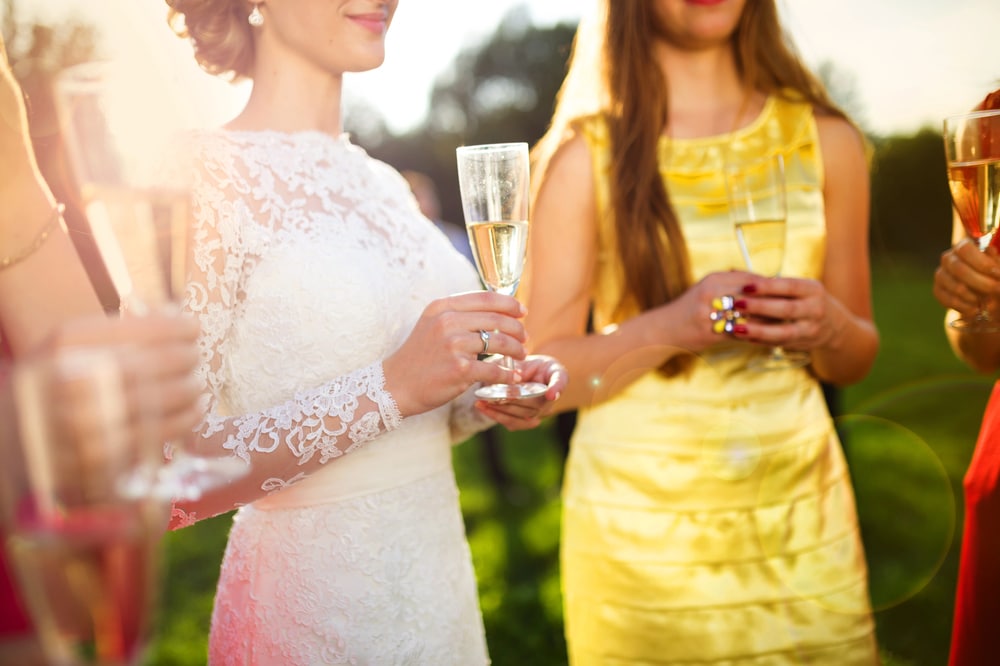
This golden hour scene perfectly illustrates the harmony required for formal wedding guest dresses. Notice the floor-sweeping length and the way the fabric catches the fading light—this is the standard for high-formality events. When a code is "Formal," you have the permission to experiment with a column silhouette or a refined A-line, provided the garment feels grounded in evening glamour rather than day-wear.
The 2026 Color Palette & Etiquette Rules
Selecting formal wedding guest dress colors is an exercise in strategic subtlety. For 2026, we are seeing a shift away from overly saturated neons toward sophisticated jewel tones and nature-inspired pigments. However, the cardinal rule of wedding guest etiquette for formal dress colors and patterns remains unchanged: never compete with the bride. Avoid "white-adjacent" shades—this includes pale champagnes, icy blues, or creams that might photograph as bridal white. Regarding the rules for wearing black to a formal wedding guest event, the modern consensus is a resounding "yes," provided the silhouette is celebratory rather than somber. Look for obsidian silks or lace to add depth to an all-black ensemble.
As seen above, butter yellow is a standout trend for the 2026 guest. It is celebratory and light, yet distinct enough from the bridal party color palettes to remain respectful. This hue works beautifully in silk or crepe, providing a luminous quality that is perfect for outdoor ceremonies. When navigating patterns, opt for sophisticated, low-contrast prints that don't distract in group photography.
Fabric, Venue, and the Terrain Challenge
The success of formal wedding guest dresses often hinges on the environment. Choosing formal wedding guest dresses based on venue and season is a mark of a truly sophisticated guest. For an indoor ballroom, satin or heavy velvet provides the necessary gravitas. Conversely, for a beach or garden setting, one must pivot to breathable summer textiles. The challenge lies in maintaining formality while battling the elements—think chiffon layers that offer movement without losing their shape in the humidity.
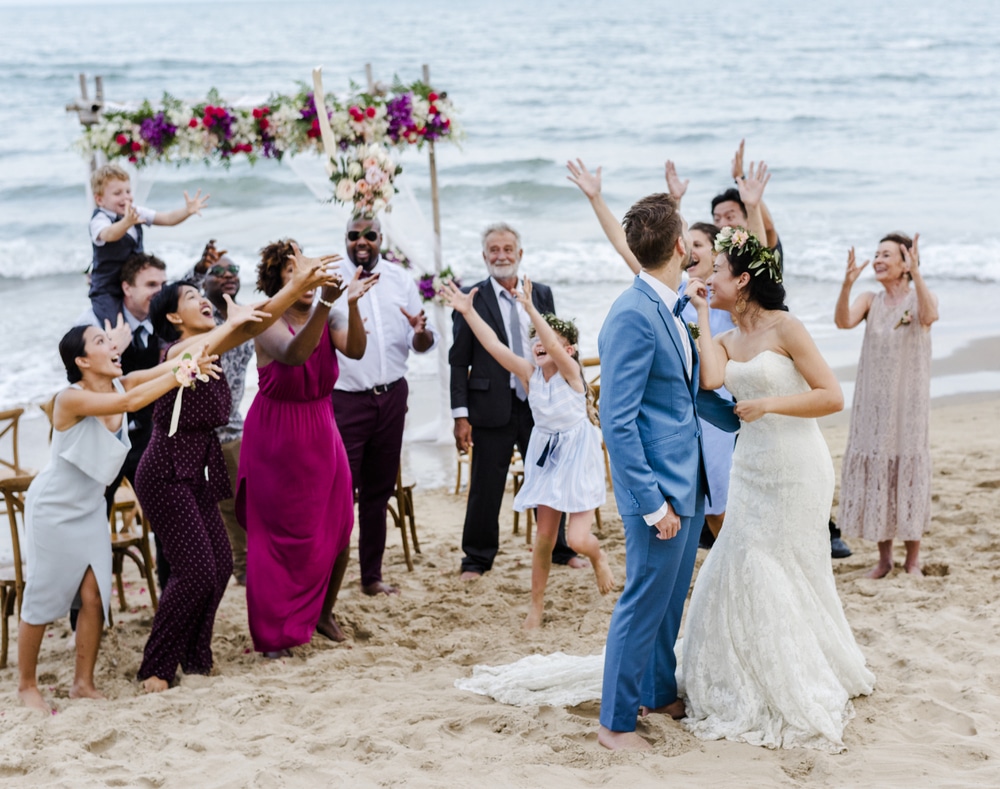
When searching for the best floor length formal gowns for outdoor summer weddings, lightness is your ally. As pictured in this seaside setting, a vibrant palette and airy construction allow the wearer to remain cool while respecting the formal mandate. A note on footwear: "70mm heights" or block heels are the sartorial secret to navigating sand or grass without the indignity of sinking, ensuring your presence remains as effortless as your attire.
Modern Silhouettes & Final Touches
In 2026, the "wrap" and "slip" silhouettes are being elevated through artisanal detailing. While a standard wrap dress might feel too casual, one executed in heavy silk with hand-rolled hems fits the "Formal" criteria beautifully. This is where tailoring and professional alterations become non-negotiable; a dress that fits perfectly in the shoulders and grazes the floor precisely at the heel will always look more "expensive" than a poorly fitted designer gown. Finish the look with curated accessories: evening clutches and pashminas in coordinating tones (perhaps in a rich velvet for evening chill) provide both utility and a layered, editorial finish.
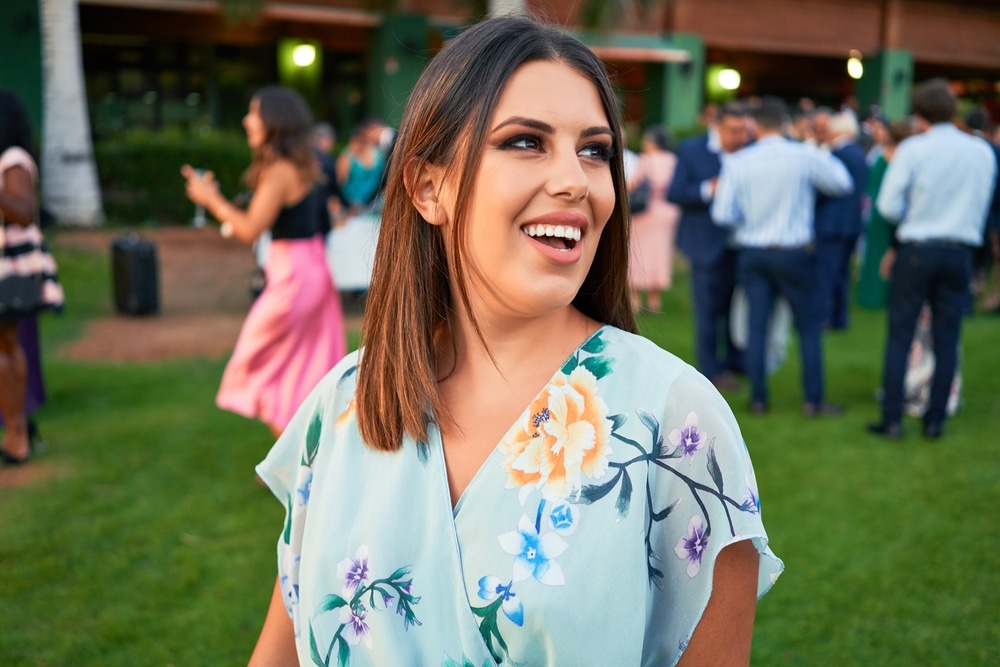
This light blue floral ensemble showcases how formal wedding guest dresses can bridge the gap between romanticism and structure. The midi length is acceptable here due to the elevated fabric and the refined floral motif, making it an ideal choice for a sophisticated garden wedding. It’s a testament to the fact that "formal" doesn't always have to mean "stiff."
True style is born from the confidence of knowing you are correctly dressed for the occasion. By following this wedding guest dress code guide and initiating your search at least 12 weeks in advance—allowing for a 3-week alteration window—you ensure that your choice of formal wedding guest dresses is a reflection of your respect for the hosts and your own impeccable taste.