In the overlapping circles of high-concept horology and streetwear, few names carry as much weight as Hiroshi Fujiwara. As a streetwear pioneer and the mind behind Fragment Design, Fujiwara has a knack for taking utilitarian objects and stripping them down to their absolute essence. His latest venture with Seiko Instruments Inc is no exception. This isn't just another limited-run timepiece; it’s a musical timepiece that functions as a high-precision metronome, blurring the lines between professional equipment and urban style.
Fragment Seiko Metronome: Hiroshi Fujiwara’s New Design
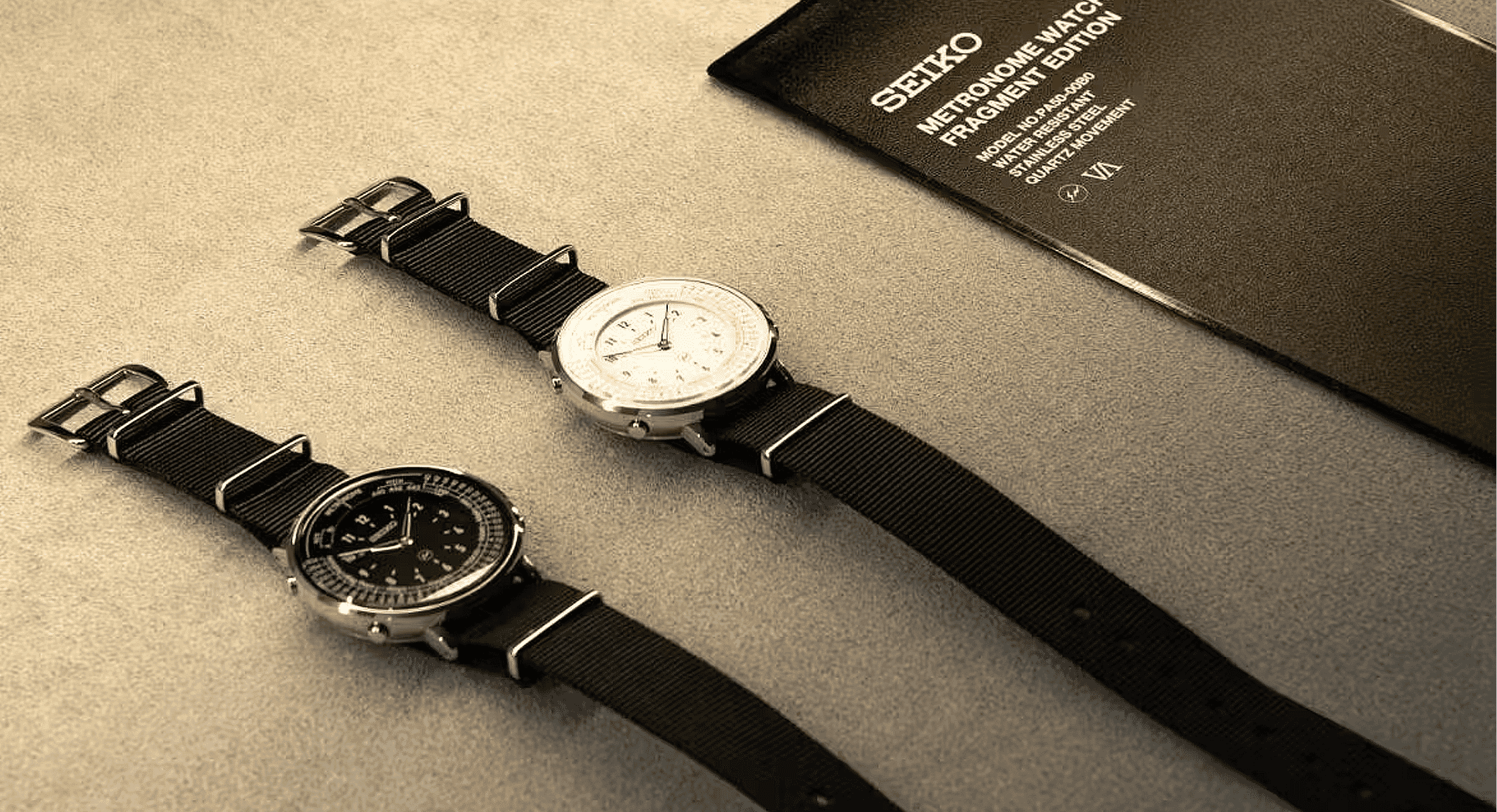
When you first lay eyes on the Fragment Seiko Metronome, you realize you’re looking at a horological anomaly. Fujiwara has taken the specialized Seiko PA50-00B0—a watch designed specifically for musicians—and infused it with his signature minimalist aesthetic. It’s a move that connects the precision of the orchestra pit with the vibe of a Tokyo backstreet. By prioritizing function over flash, the Hiroshi Fujiwara Seiko watch design appeals to the "if you know, you know" crowd, offering a tool that is as useful for a studio session as it is for a gallery opening.
Minimalist Aesthetics Meets Fragment DNA
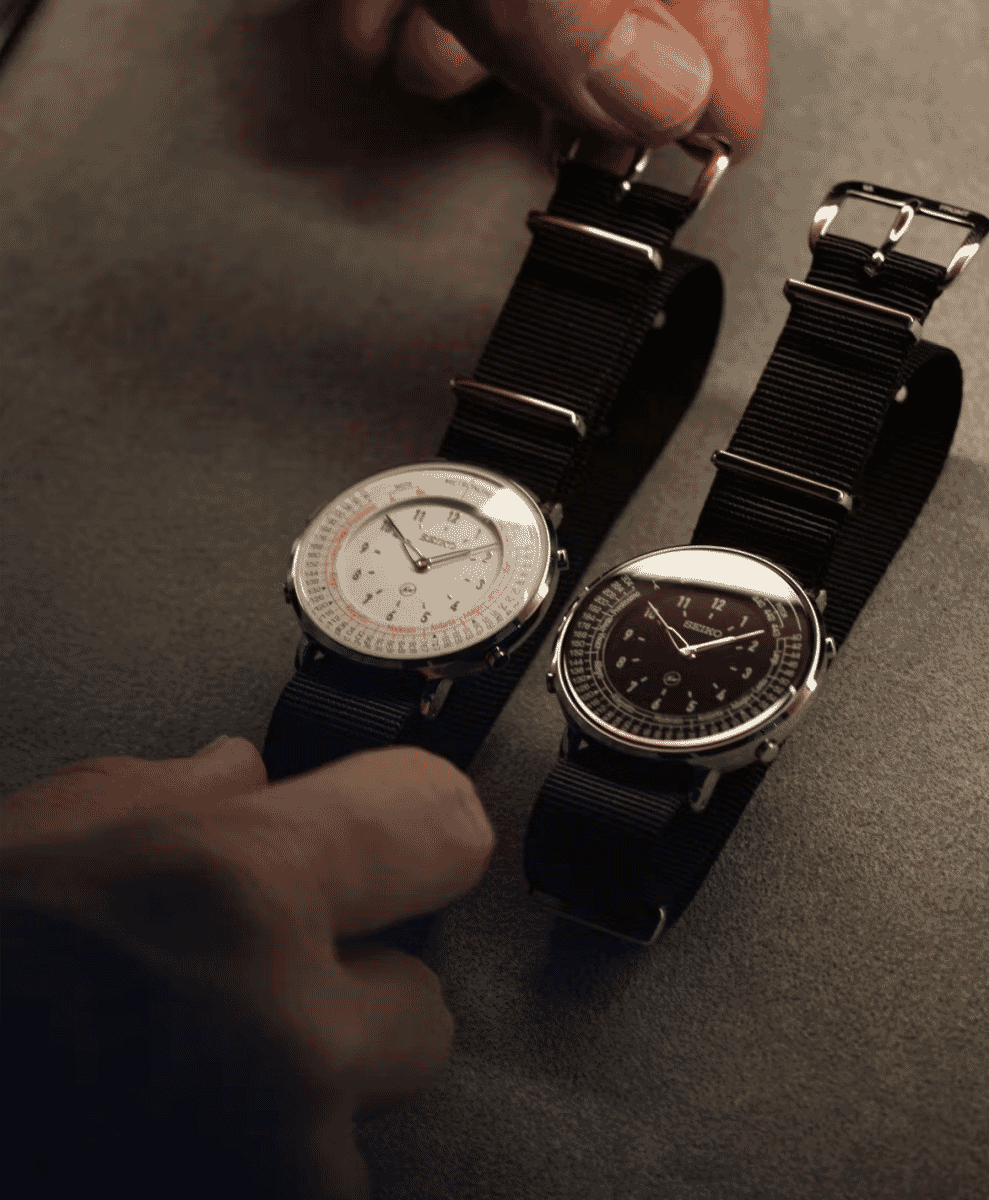
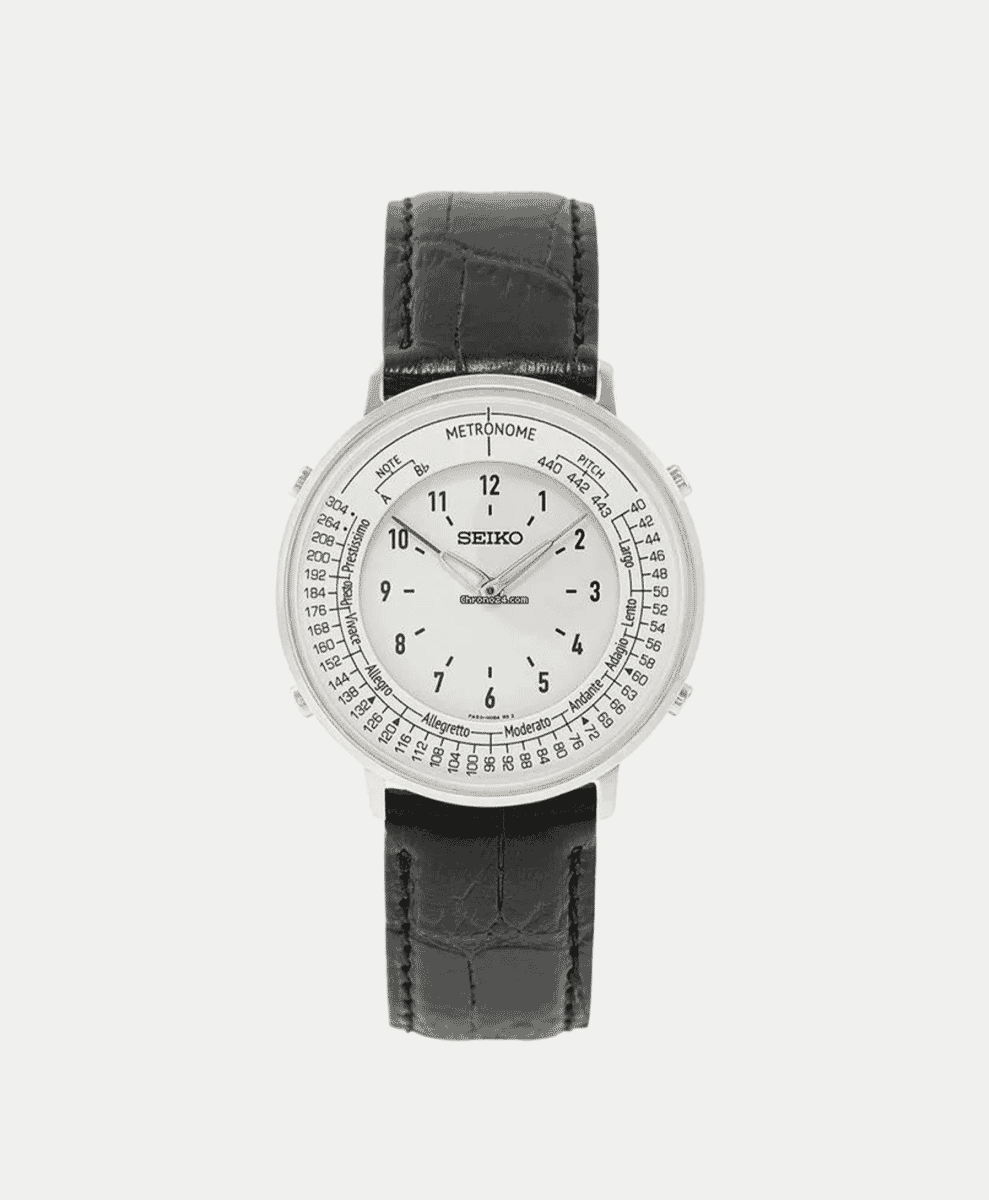
The dial is where the Fragment DNA truly vibrates. Eschewing the cluttered look of traditional chronographs, the Fragment Seiko Metronome utilizes a monochromatic colorway that highlights its Bauhaus-inspired layout. You’ll find the iconic lightning bolt motif positioned subtly, a stamp of approval that turns this instrument into a piece of collectible streetwear.
When choosing between the versions, the Fragment Design Seiko Metronome white vs black comparison reveals two distinct energies. The black dial offers a sleek, stealth-utility look that blends seamlessly with a nylon webbing strap, while the white dial provides a high-contrast, clinical feel that emphasizes the watch’s technical nature. Both options maintain a clean, distraction-free interface that focuses entirely on the rhythm.
Beyond Timekeeping – The Metronome & Tuning Guide
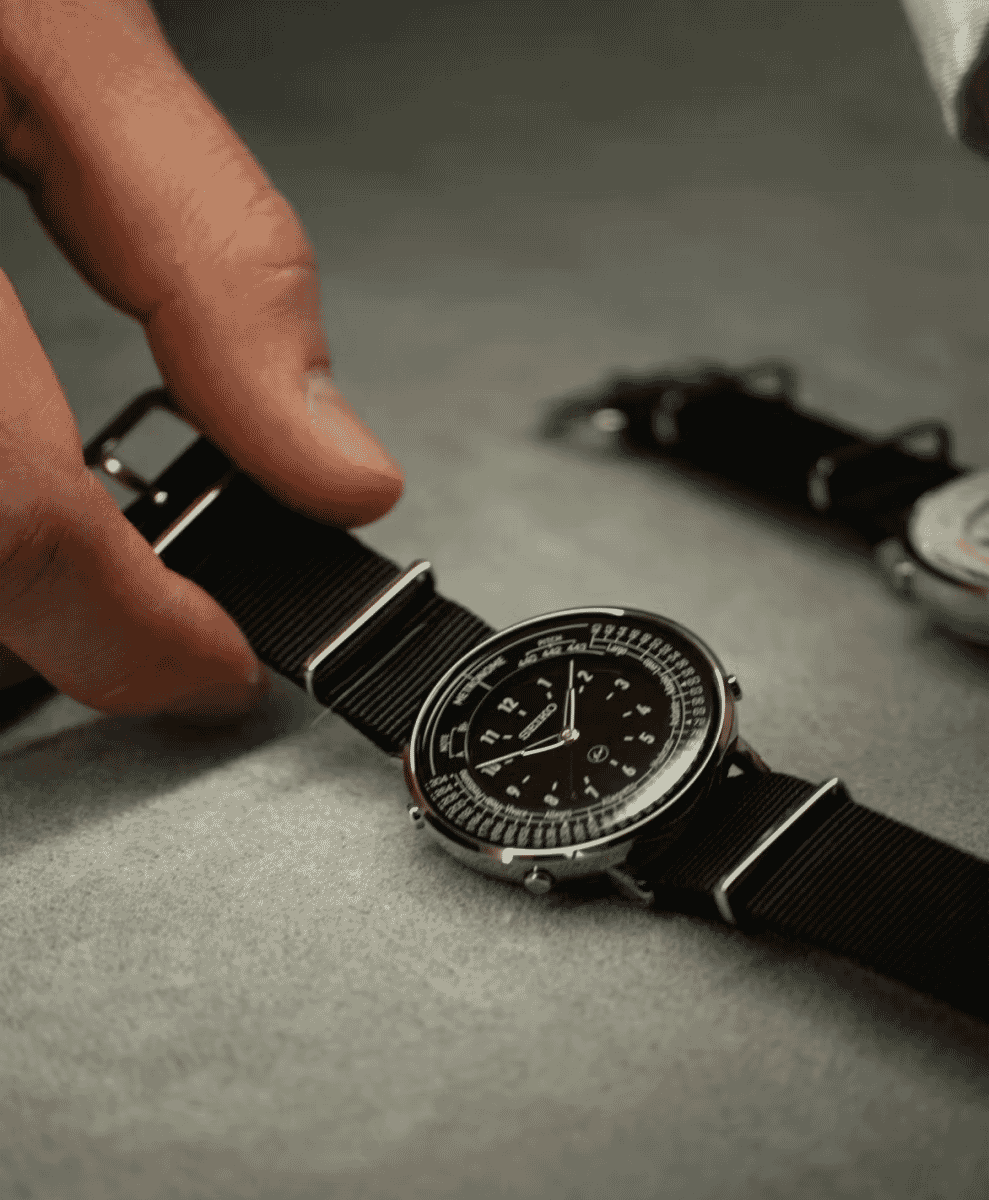
This is where the Seiko metronome watch musical functions set it apart from anything else in your collection. This isn't a gimmick; it's a legit tool. By engaging the four-pusher layout, the watch hands transition from telling time to indicating tempo. In this Seiko PA50-00B0 metronome watch musical functions guide, the most impressive feature is the BPM range: it covers 40 to 304 BPM across 41 fixed steps, with the second hand swinging as a physical pendulum.
Beyond rhythm, using the Seiko Metronome watch for instrument tuning is a game-changer for the on-the-go creative. It offers an A-440Hz pitch reference tone, ensuring your guitar or synth is perfectly in key. Driven by quartz movement precision, the accuracy here is exactly what you’d expect from Seiko Instruments Inc, proving that Fujiwara hasn't sacrificed an ounce of utility for the sake of the hype.
Proportions & Wrist Presence
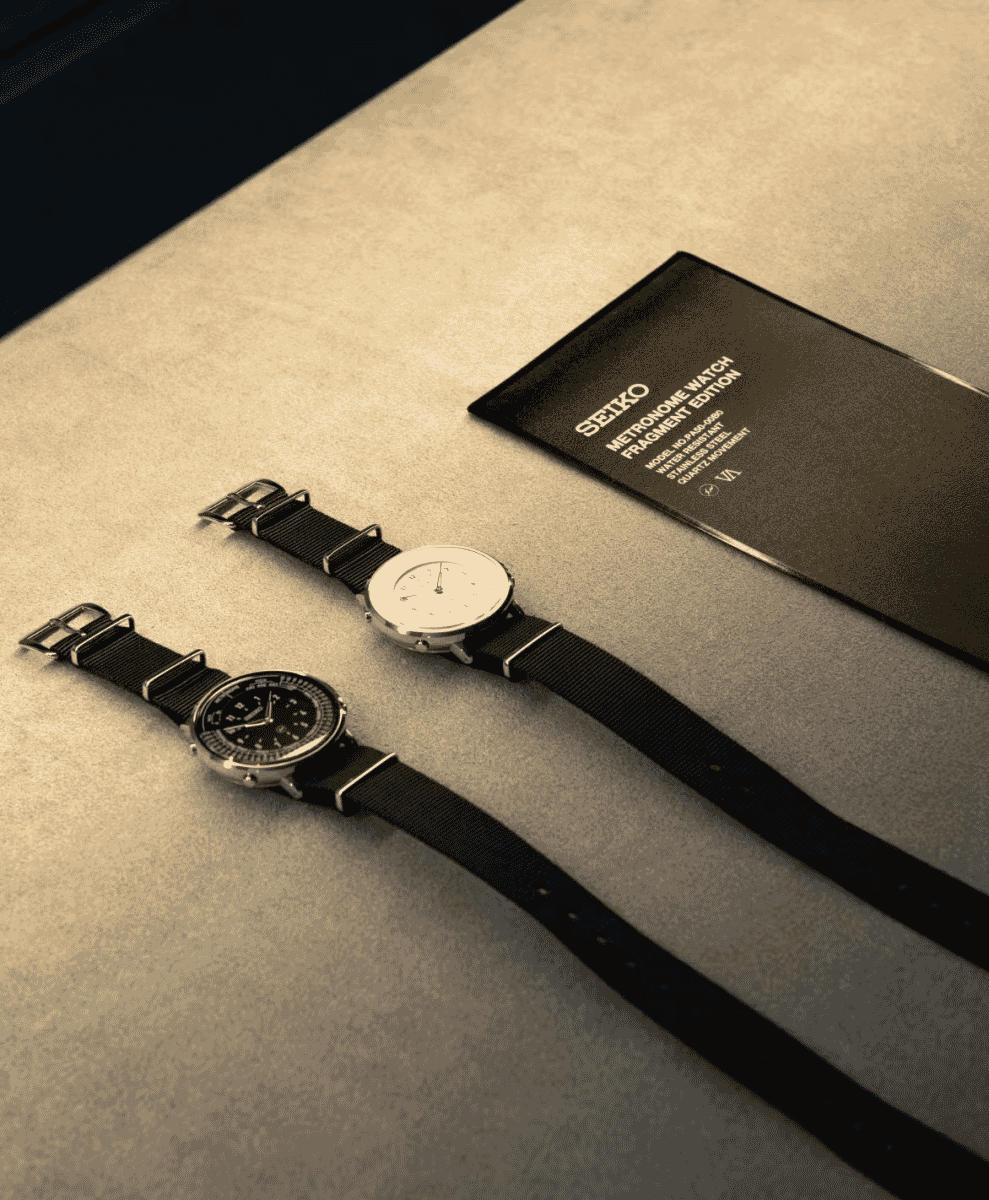
In an era where watches are trending smaller and more thoughtful, the Seiko Fragment Metronome case size and wrist fit are perfectly on point. The 36.5mm case diameter is a masterclass in versatile sizing, fitting comfortably on almost any wrist without feeling bulky. At a thickness of just 10mm and weighing a mere 44g, it’s a "set it and forget it" piece.
The limited edition Seiko PA50-00B0 comes paired with a durable nylon webbing strap that reinforces its "urban explorer" vibe. The 18mm lug width means it's a strap-monster; you can easily swap in a premium NATO to customize the look. Whether you’re wearing it over a techwear sleeve or tucked under a crisp white shirt, the proportions remain understated and sophisticated.
A JDM Treasure for Collectors
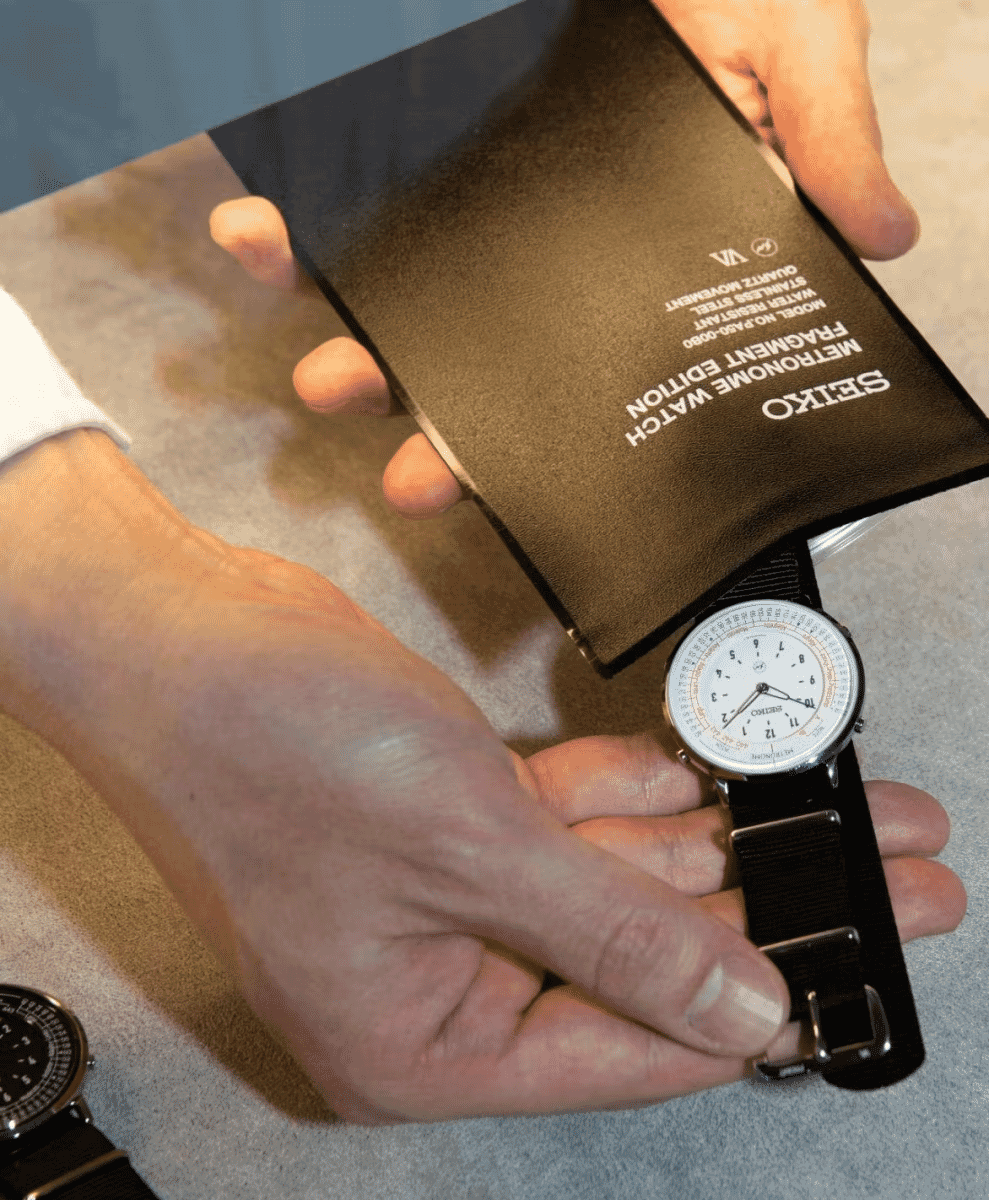
Finding a Fragment Seiko Metronome in the wild isn't easy. Originally released as a JDM exclusive through the VATOKYO concept store, it has quickly ascended to "grail" status. For those looking at the Hiroshi Fujiwara Seiko Metronome watch value for collectors, the scarcity is the point. It’s a piece that captures a specific moment in design history—where the discipline of music theory meets the rebellious spirit of street culture.
Whether you're a musician who needs a reliable reference or a collector who appreciates the nuance of a horological anomaly, this collaboration is a definitive win. It’s a reminder that true style isn't just about what you wear; it's about the tools you use to create your own rhythm.