As an editor who has spent years dissecting the semiotics of a perfectly placed brooch or the weight of a mechanical watch, I find the sudden digital obsession with the "Headband Theory" fascinating—and slightly perilous. In the high-stakes environment of the modern office, your choice of adornment is never just a "vibe"; it is a silent manifesto of your professional intent.
Headband Theory Workplace: Style vs. Professionalism
The viral headband theory workplace trend suggests that wearing a headband signals a specific kind of "innocence" or "approachability," supposedly eliciting gentler treatment from colleagues. But in the corner office, where visual signaling and professional perception in the workplace are the currencies of power, this "innocence" can be a double-edged sword. While social media celebrates the "soft girl" aesthetic, the corporate reality often demands a more robust executive presence.
We are seeing a definitive shift toward "Modern Luxe" professionalism for 2026—a move away from performing "likability" and toward projecting quiet, unwavering competence. The headband theory workplace reputation you build should be one of curated authority, not accidental infantilization.
The Trap of Infantilization and Likability
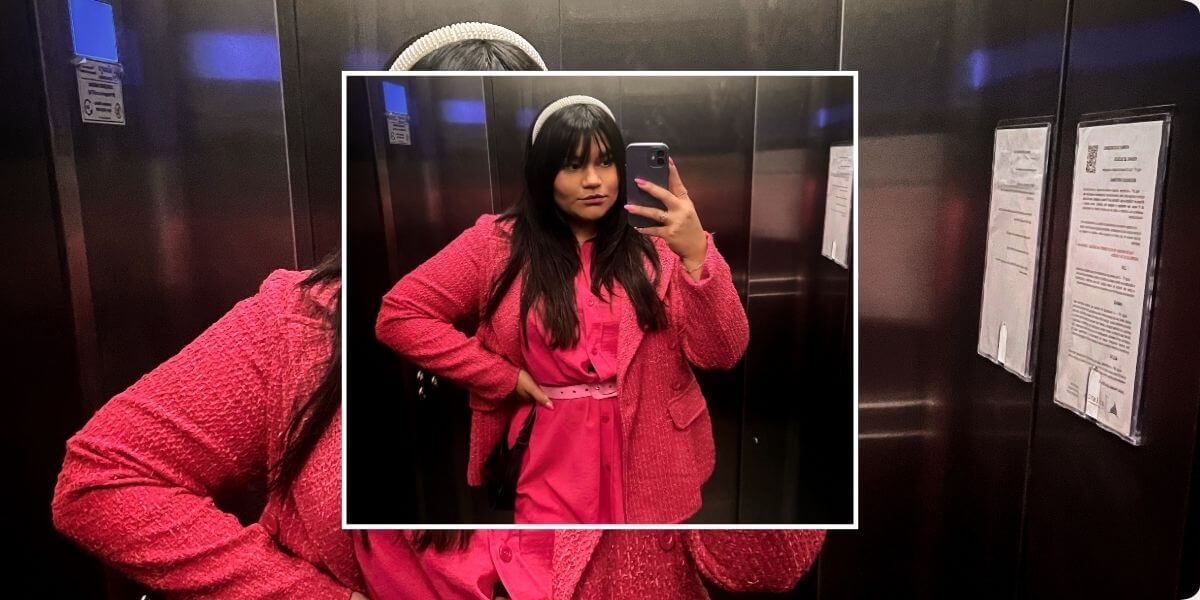
There is a fine line between balancing style and authority at work and appearing as though you’ve stepped out of a prep-school yearbook. The recent viral "I got fired in a headband" discourse serves as a cautionary tale for impression management. When we choose hair accessories that signal competence vs innocence, we must acknowledge the inherent workplace gender bias.
In my view, the goal isn't to abandon the accessory, but to reclaim its soft power. To maintain professional credibility, the modern leader chooses pieces that emphasize structure over "cuteness." It is the difference between a flimsy plastic band and a weighted, architectural piece. Choosing likability vs respect is a trade-off few can afford on the executive track; your accessories should function as armor, not a costume.
2026 Styling Matrix: Authority in the Details
As we look toward the 2026 aesthetic landscape, professional hair accessories for work are becoming more sculptural and less decorative. To achieve a positive halo effect and solidify your personal brand image, follow these technical styling rules:
- The Rule of Balance: Pair a bold, structured blazer with a minimalist metallic headband. If your outfit is monochromatic and soft, use a silk-wrapped padded piece to provide a geometric anchor.
- Metal-Tone Matching: Align your hair accessories with your jewelry. Gold tones offer warmth for business-casual settings, while brushed silver or platinum finishes command a business formal edge.
- Strategic Placement: For maximum professional padded headband styling for work, ensure the band sits approximately two inches behind the hairline. This creates a "crown" effect that adds height and presence, rather than a "child-like" look where the hair is pushed too flat.
- The 2026 Palette: Look for matte resins and deep obsidian tones. These are the best professional hair accessories for office environments because they absorb light rather than reflecting it, signaling a grounded, serious temperament.
Strategic Choice: Face Shapes and Materiality
True executive presence lies in customization. When choosing workplace hair accessories based on face shape, consider the silhouette you are projecting. A high-padded headband can elongate a round face, adding a sense of stature, while thin, architectural bands provide a sophisticated frame for oval or heart-shaped faces.
Furthermore, hair accessories for female leaders and authority in 2026 emphasize "Materiality." We are seeing a pivot toward handcrafted, investment-grade pieces—think heavy mulberry silk or sustainably sourced horn. These are the professional alternatives to the tiktok headband theory; they don't ask for "gentler treatment"—they demand respect through their craftsmanship. This approach to corporate grooming ensures your look is seen as a deliberate choice of a connoisseur rather than a fleeting trend follower.
Personal Branding Over Viral Micro-Trends
Ultimately, incorporating 2026 hair accessory trends into business casual requires a rejection of the "innocence" narrative. Your personal brand image should be built on the bedrock of your achievements, with your style serving as a supportive, sophisticated punctuation mark.
The headband theory workplace debate reminds us that everything we wear is a message. By balancing style and authority at work, you move beyond the "vibe" and into a space of true executive presence. Let your accessories be the finishing touch on a profile of competence, proving that a woman in a headband isn't just "approachable"—she is in charge.