As we navigate the complexities of 2026, the global appetite for high-end luxury goods has transcended mere consumption, evolving into a sophisticated strategy for wealth preservation and aesthetic curation. For the modern collector, the boundary between an accessory and an investment asset has never been thinner.
The $530 Billion Question of 2026
The luxury landscape has entered a transformative phase, projected to reach a staggering $530 billion valuation this year. Driven by a 6% organic growth and the profound "AI frenzy" that has minted a new generation of ultra-high-net-worth individuals, the market is currently grappling with a fundamental tension: the "Inspirational vs. Inane" pricing model.
As a seasoned editor, I’ve observed that the savvy collector is no longer swayed by logomania. Instead, they are looking for a market volatility hedge in the form of rare, tangible assets. This guide to buying ultra-exclusive luxury goods in the US market isn't just about what to wear; it is an analysis of why certain pieces command five-figure premiums while others languish on the secondary market.
Decoding the Anatomy of Exclusivity
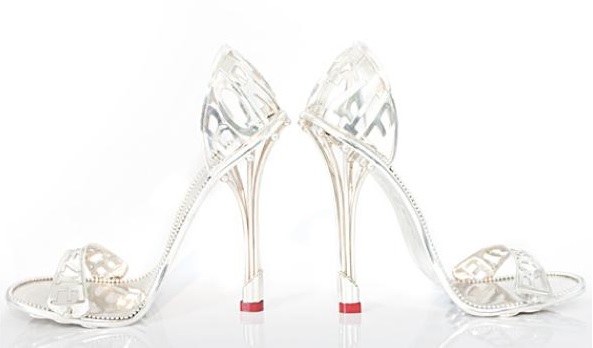
To understand luxury craftsmanship and rarity in 2026, one must look at the "sculptural" movement in footwear. The piece pictured above—a transparent, architectural sandal—represents a pivot from "Natural Rarity" (exotic skins) to "Virtual Rarity" (innovative design and limited production). With 63% of consumers now prioritizing heritage craftsmanship over visible branding, pieces that balance avant-garde silhouettes with technical mastery are dominating the conversation.
When evaluating luxury item worth, we must look at the intrinsic value assessment. Is the heel a piece of cast silver? Is the transparency achieved through high-grade, sustainable polymers or glass? These sandals are a masterclass in artisanal exclusivity, where the value is derived from the difficulty of the build rather than the prominence of the house name. They are wearable sculptures that signal a deep understanding of the current "art-as-fashion" zeitgeist.
Hard Luxury as a Tangible Asset Class
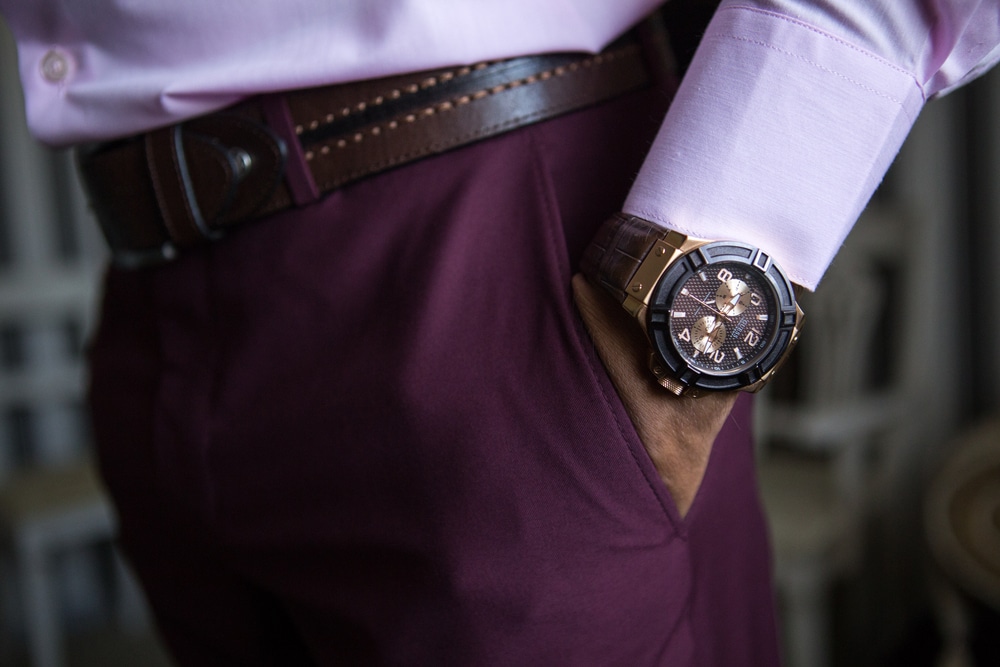
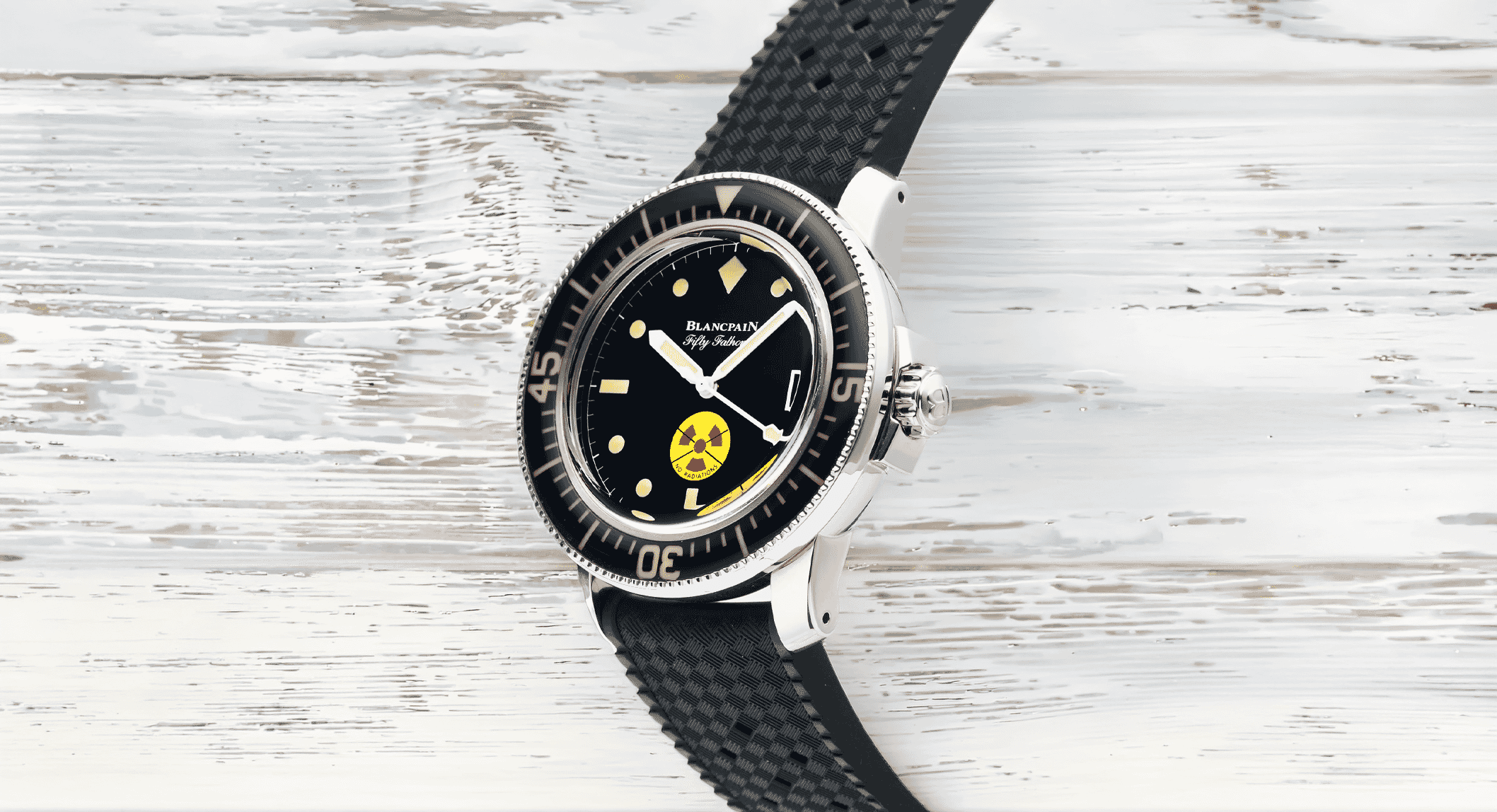
While ready-to-wear often faces the sting of seasonal trends, "Hard Luxury"—comprising jewelry and horology—has solidified its status as a tangible asset class. In 2026, investing in high-end luxury watches for resale value remains the gold standard for portfolio diversification.
The Investment Pulse:
- CPO Rolex Premium: Certified Pre-Owned Rolex timepieces currently command a 30% premium over MSRP due to immediate availability and provenance.
- The Chanel Factor: Iconic handbag silhouettes have seen prices nearly double over the last five years, showcasing exceptional depreciation resistance.
- Market Hedge: Hard luxury assets are increasingly viewed as the best hard luxury assets to hedge against inflation in 2026, outperforming many traditional equity indices.
When identifying rare luxury items with long-term investment potential, the circular luxury economy plays a pivotal role. The secondary market is no longer a "used" market; it is a sophisticated exchange where capital appreciation is realized through meticulous provenance and authentication.
The 'Golden Segregation' and the New VIP
The definition of exclusivity is shifting from what you own to where you are allowed to go. We are witnessing the "Golden Segregation," where luxury houses are pivoting toward experiences—gastronomy, private clubs, and ultra-exclusive hospitality. Ultra-high-net-worth individuals are being funneled into "Silent Quarter" hubs—emerging regional wealth centers where the true transactions happen behind closed doors.
When evaluating luxury item worth in this context, the factors that determine the resale value of pre-owned luxury assets often include the "story" or the "access" the item provided. A bespoke piece from a private salon carries a different weight than a flagship store purchase. Verification of authenticity has moved beyond the physical item to digital twin technology, ensuring that the legacy of a piece is untamable.
Preserving Value in a Volatile Era
Ultimately, investing in high-end luxury requires a commitment to the long game. The most successful collectors understand that maintaining high-end luxury goods to preserve their market worth is a non-negotiable expense. From temperature-controlled storage for rare leathers to the periodic servicing of complications by heritage maisons, the physical condition of the asset is the final arbiter of its depreciation resistance.
In an era of market volatility, the items that retain their soul—those that represent the pinnacle of heritage craftsmanship and visionary design—are the only ones that truly matter. Authenticate your passion, diversify your aesthetic, and remember that in the world of high-end luxury, the most valuable asset is time.