As we navigate the fiscal complexities of May 2026, the intersection of macroeconomics and the atelier has never been more pronounced. For the discerning collector and the strategic investor, understanding the pulse of the market is no longer just about scouting the next "It" bag; it is about decoding the data that dictates its price tag.
The Macroeconomic Pulse: Why CPI is the New Runway Report
In the current landscape of luxury retail inflation, the sophisticated consumer must look beyond the aesthetic to the macroeconomic indicators that drive the industry. We are currently observing a staggering 87% correlation between major market indices and global luxury demand. As a seasoned observer, you’ve likely noticed that the traditional seasonal calendar is being eclipsed by the release of Consumer Price Index (CPI) reports.
These reports are the silent architects of your next acquisition. By learning how to predict luxury price increases using CPI reports, you gain a vantage point that transcends mere shopping. When inflation signals a dip in purchasing power, heritage houses don't just react; they calibrate. They monitor market sentiment with surgical precision, ensuring that the luxury retail inflation we see at the boutique counter reflects the shifting realities of the global economy while preserving the untouchable allure of the brand.
Section 1: The Forex Pivot – How CPI Dictates Global Pricing
The volatility of the modern era has turned luxury brand pricing strategies CPI into a high-stakes game of chess. When a CPI announcement triggers forex volatility, it creates a ripple effect across the luxury capitals of the world. For the UHNWIs navigating this space, the impact of CPI forex shifts on international luxury shopping is profound.
Brands are increasingly utilizing real-time data to adjust regional pricing, a strategy designed to mitigate currency arbitrage. If the Euro weakens against the Dollar following a specific inflationary report, expect a "harmonization" of prices within 48 hours. This isn't merely a price hike; it’s a sophisticated defense of brand equity. In 2026, the elite shopper isn't just looking for the finest craftsmanship; they are looking for price stability in an era of flux.
Section 2: Inventory Allocation and Regional Strategy
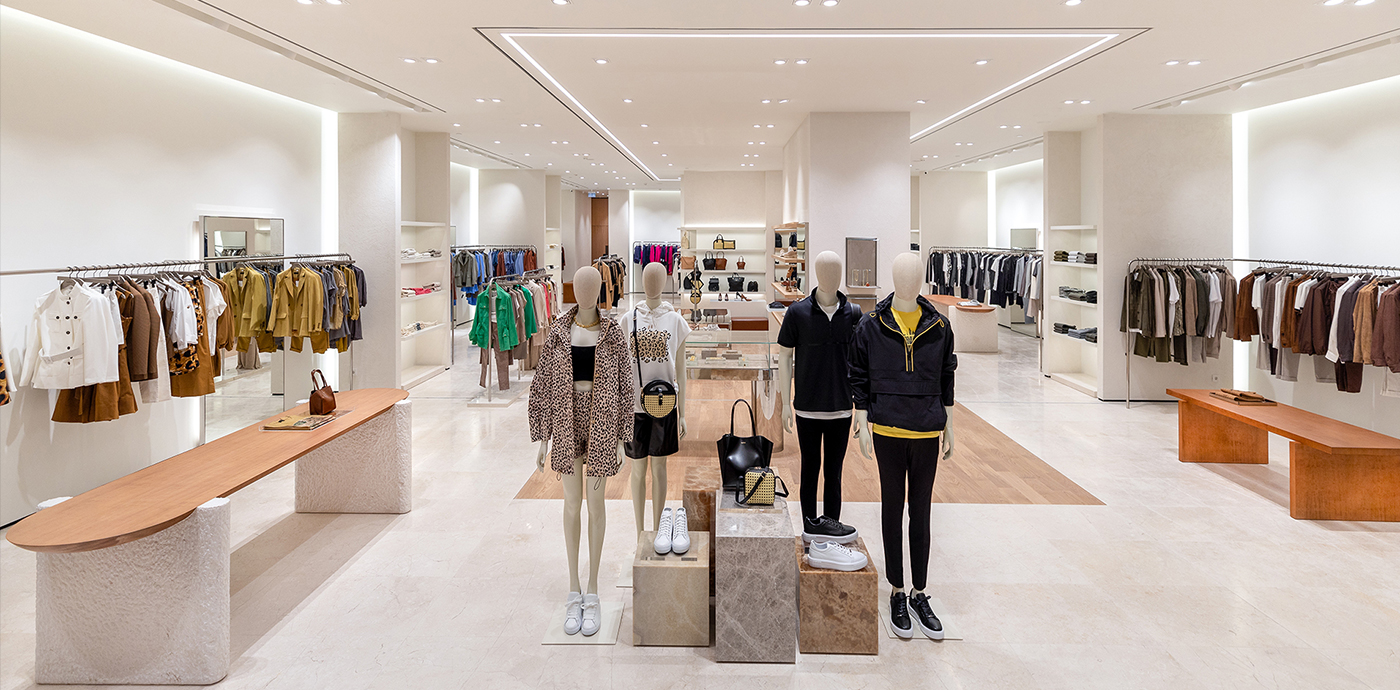
The physical boutique has evolved from a simple point of sale into a strategic outpost for inventory allocation in luxury retail. As luxury retail inflation pressures supply chains, brands have turned to "nearshoring"—reducing lead times to as little as two weeks—to ensure that the most coveted items are exactly where the capital is concentrated.
Current luxury retail inventory allocation strategies during high inflation involve a pivot toward wealth concentration hubs. You’ll find that exclusive product drops are no longer distributed evenly; instead, they are funneled into experiential flagship hubs like New York’s Fifth Avenue or the revamped districts of Paris. This supply chain optimization ensures that even as costs rise, the availability of high-demand pieces remains a privilege reserved for the most resilient markets.
- Key Stat: Brands have increased their S&P 500 correlation monitoring to 24/7 cycles to adjust boutique stock levels in real-time.
- Trend Note: Nearshoring has reduced the carbon footprint of leather goods by 18%, merging sustainability with fiscal agility.
Section 3: The VIC Shift – Investing in Timelessness
In a climate of luxury retail inflation, the distinction between "fashion" and "investment" becomes razor-sharp. We are seeing a significant divergence in category performance: while entry-level footwear has seen a modest decline, "hard luxury"—specifically high-end jewelry and rare timepieces—has grown by 14%. This is the result of luxury brand pricing strategies for high net worth clients who view their wardrobes as a form of portfolio diversification.
When investing in timeless luxury pieces vs experimental collections during inflation, the wise choice remains the icon. The price inelasticity of a legendary handbag or a bespoke piece of jewelry means its value often outpaces traditional currency. For UHNWIs, these items represent a hedge against the market. In 2026, the focus has shifted from the ephemeral "trend" to the enduring "legacy," where brand equity is the ultimate currency.
The Future of the High-End Market
As we look toward the horizon, the US luxury market resilience and growth forecast for 2026 remains remarkably robust. Despite the headwinds of luxury retail inflation, the "Strategic Normalization" of the industry suggests a more stable, albeit more expensive, future.
The successful brands of tomorrow are those that master the balance between the emotional resonance of their heritage and the cold, hard data of the CPI. For you, the collector, the strategy is clear: focus on pieces that command brand equity and maintain a keen eye on the market sentiment. In the world of high-end fashion, knowledge is the most luxurious accessory of all.