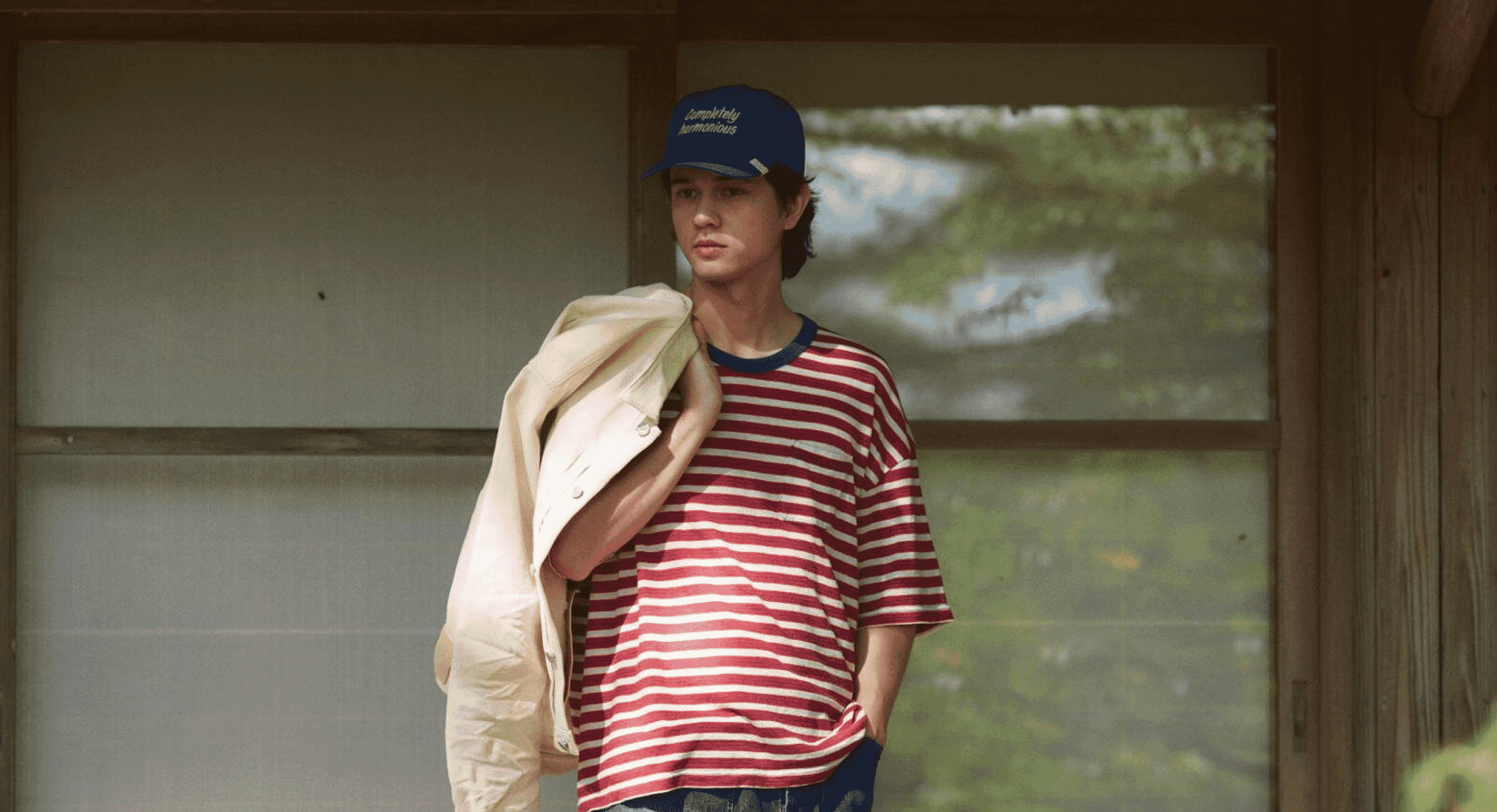
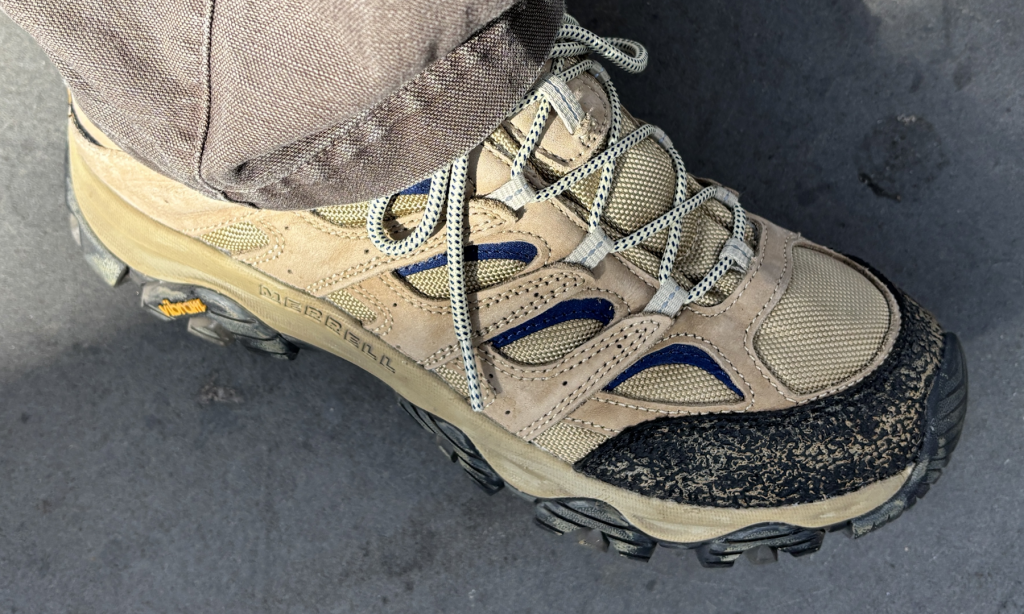
Finding the perfect gear is about more than just aesthetics; it’s about how that gear moves with you when you're miles into a trail or navigating a humid morning commute. As we look toward the Spring Summer 2026 collection, understanding Patagonia sizing has never been more critical for both performance and product longevity.
The 2026 Patagonia Fit Verdict
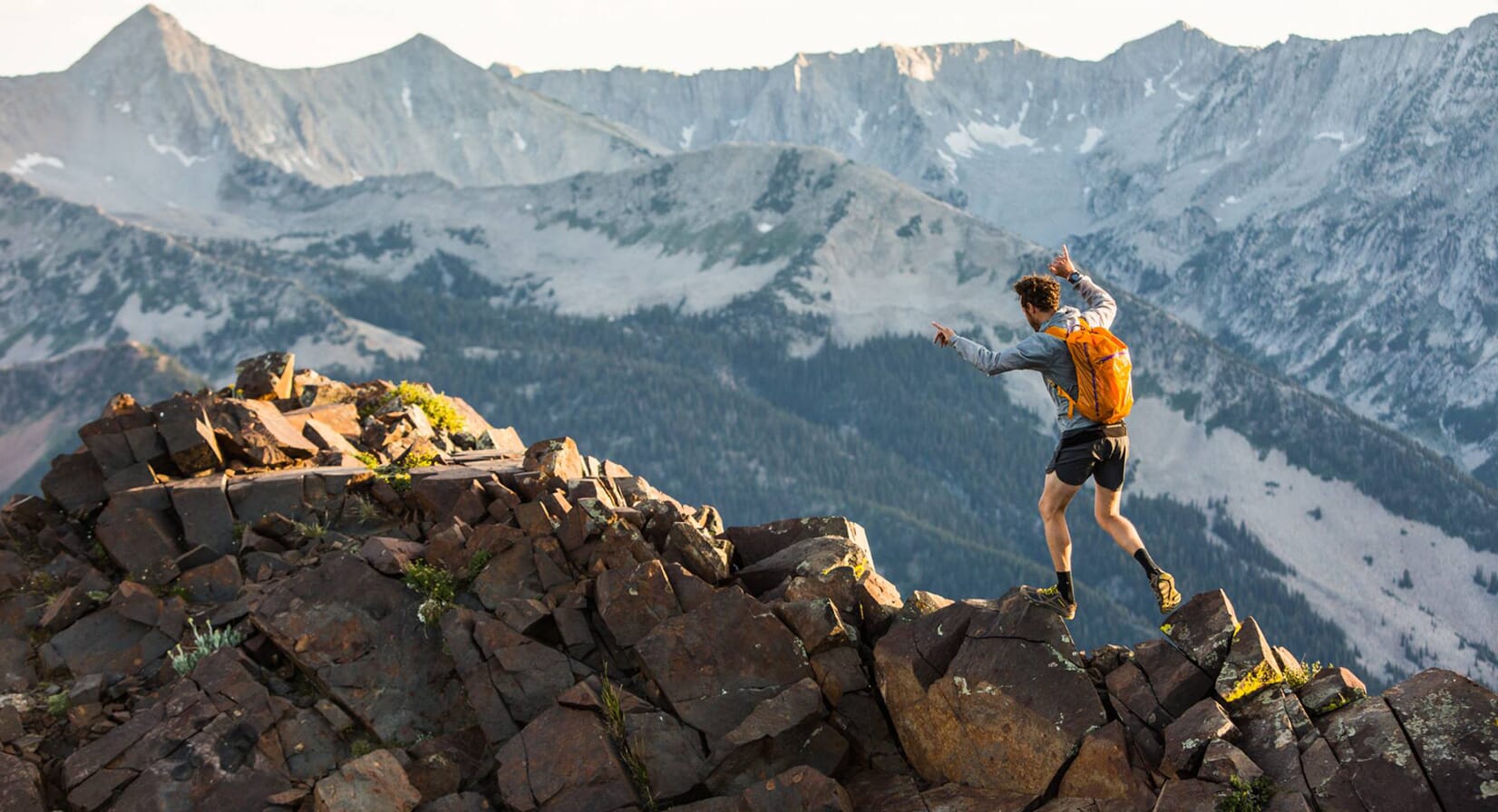
Whether you are eyeing the new 'Aqua Stone' shells or the rugged 'Weathered Stone' parkas, the most common question remains: should I size up or down in Patagonia? Generally, Patagonia gear runs true to size, but the brand’s technical intent dictates how a garment is cut. A piece designed for high-output alpine climbing will fit much closer to the body than a casual everyday parka. In this Patagonia fit guide, we’ll break down the nuances of the 2026 lineup to ensure your investment lasts for decades.
Decoding the Four-Tier Fit System
Before you dive into the Patagonia size charts, you must understand their four distinct fit categories. This technical layering system ensures that each piece serves a specific purpose, from moisture-wicking base layers to protective outer shells.
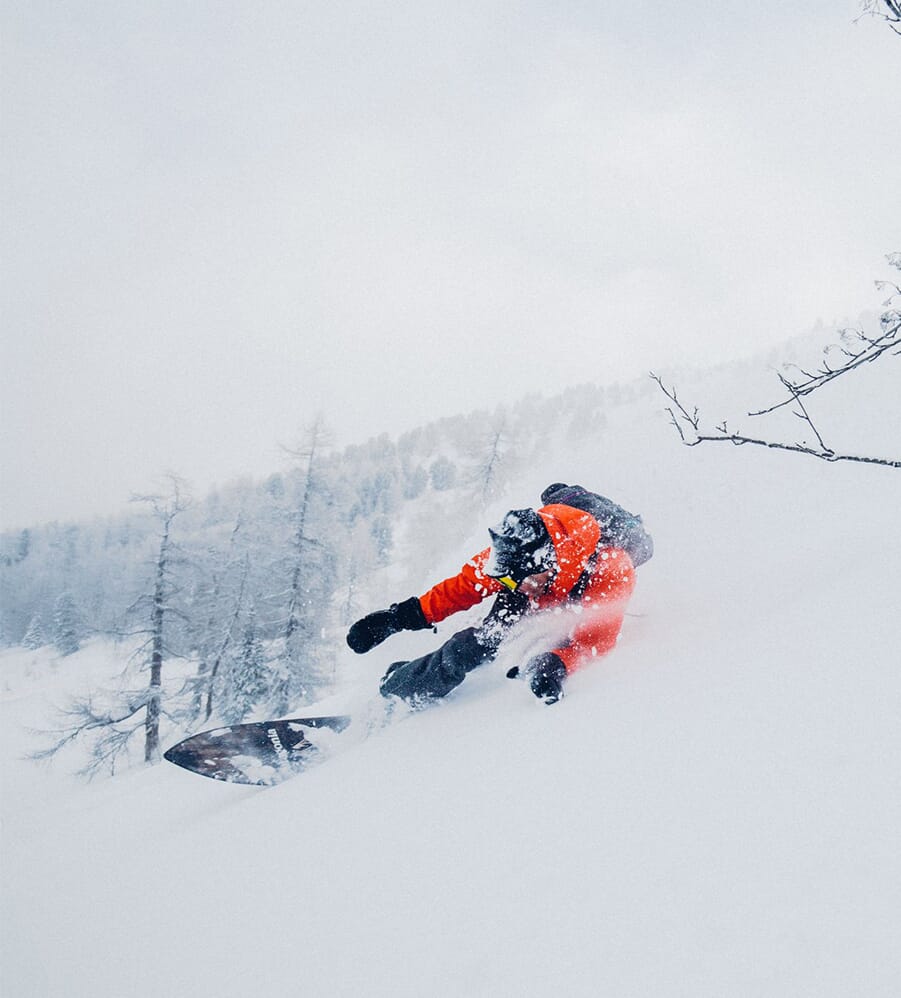
When navigating the Patagonia fit guide slim vs regular vs relaxed, remember these rules of thumb:
- Formfitting: These are your form-fitting silhouettes, like Capilene base layers, designed to sit flush against the skin for optimal moisture management.
- Slim Fit: Technical mid-layers that follow the body's contours. They feature an anatomical fit to stay out of the way during movement but have enough room for a light base layer.
- Regular Fit: The sweet spot. Neither slim nor oversized, these are built for activewear versatility, fitting comfortably over heavier mid-layers.
- Relaxed Fit: Designed for comfort and easy layering over almost anything else.
Technical Shells & Mid-Layers: Jacket Sizing
When it comes to Patagonia jacket sizing, the primary predictor of your perfect fit is your chest measurement. However, for 2026, the brand has refined its technical layering system to better accommodate varying torso lengths.
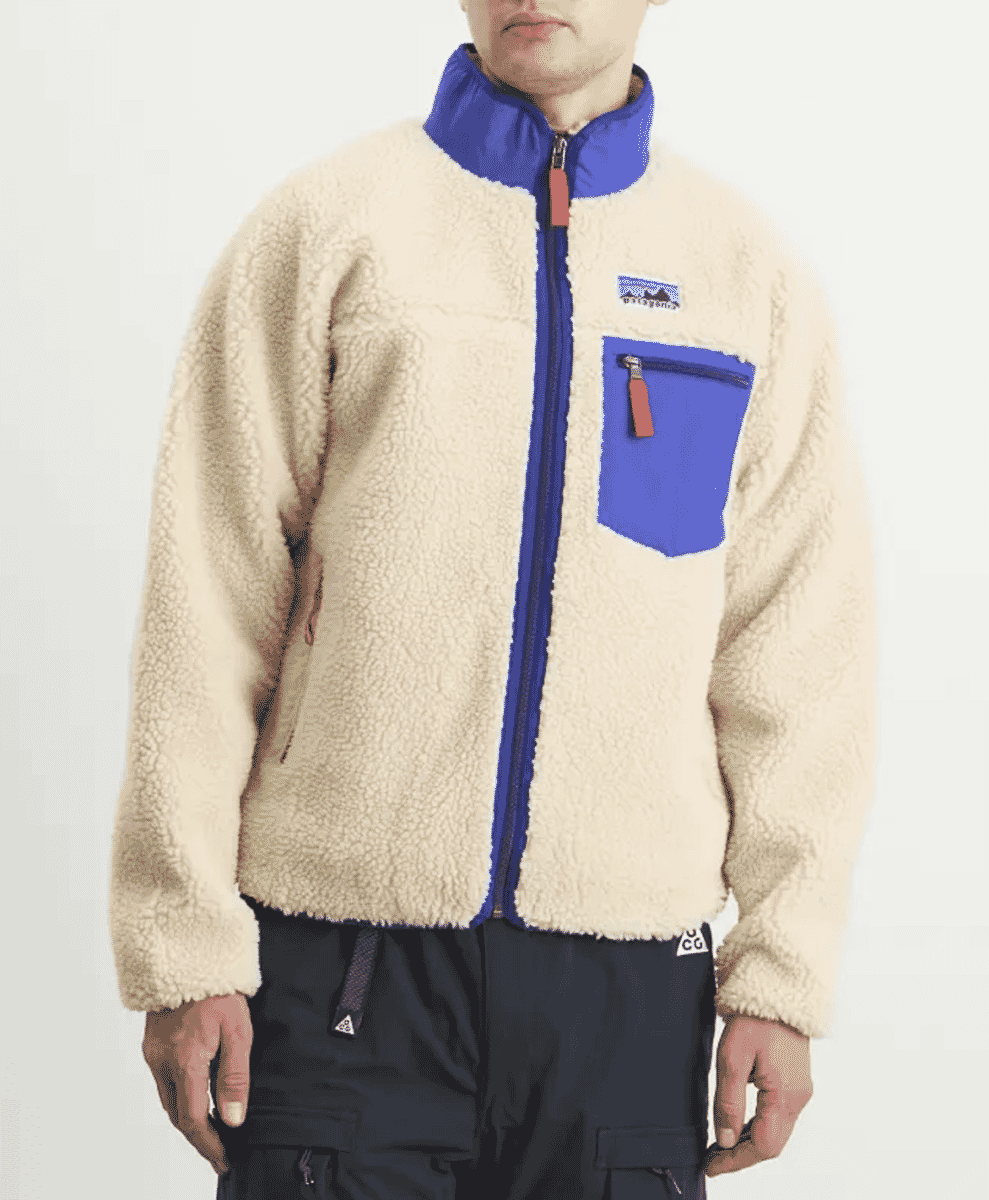
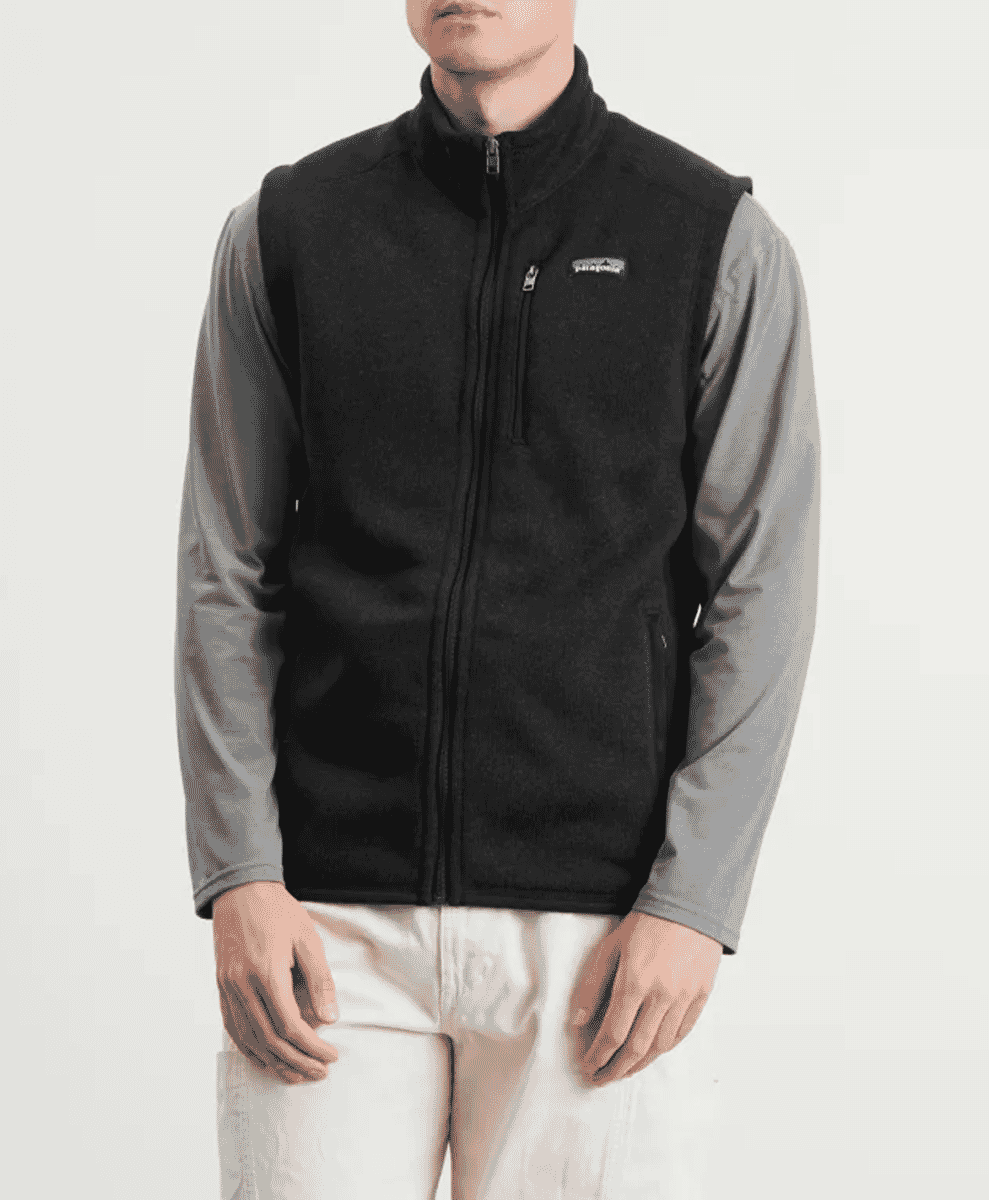
The Patagonia jacket sizing for layering varies significantly between a piece like the Classic Retro-X (Regular Fit) and the Better Sweater Vest (Slim Fit). The Retro-X is a robust windproof layer made from recycled polyester; its regular cut allows you to comfortably wear a thick flannel or a light down sweater underneath. Conversely, the Better Sweater Vest is designed for outdoor performance as a low-bulk insulator. If you are between sizes and plan to use the vest as an outer layer, I recommend sizing up.
Bottoms & Overalls: Find Your Stride
Bottoms are often where shoppers get tripped up. A frequent debate is whether Patagonia pants sizing true to size or run big. In my experience testing the 2026 collection, many of the lifestyle and utility bottoms tend to run slightly generous in the waist to allow for mobility.
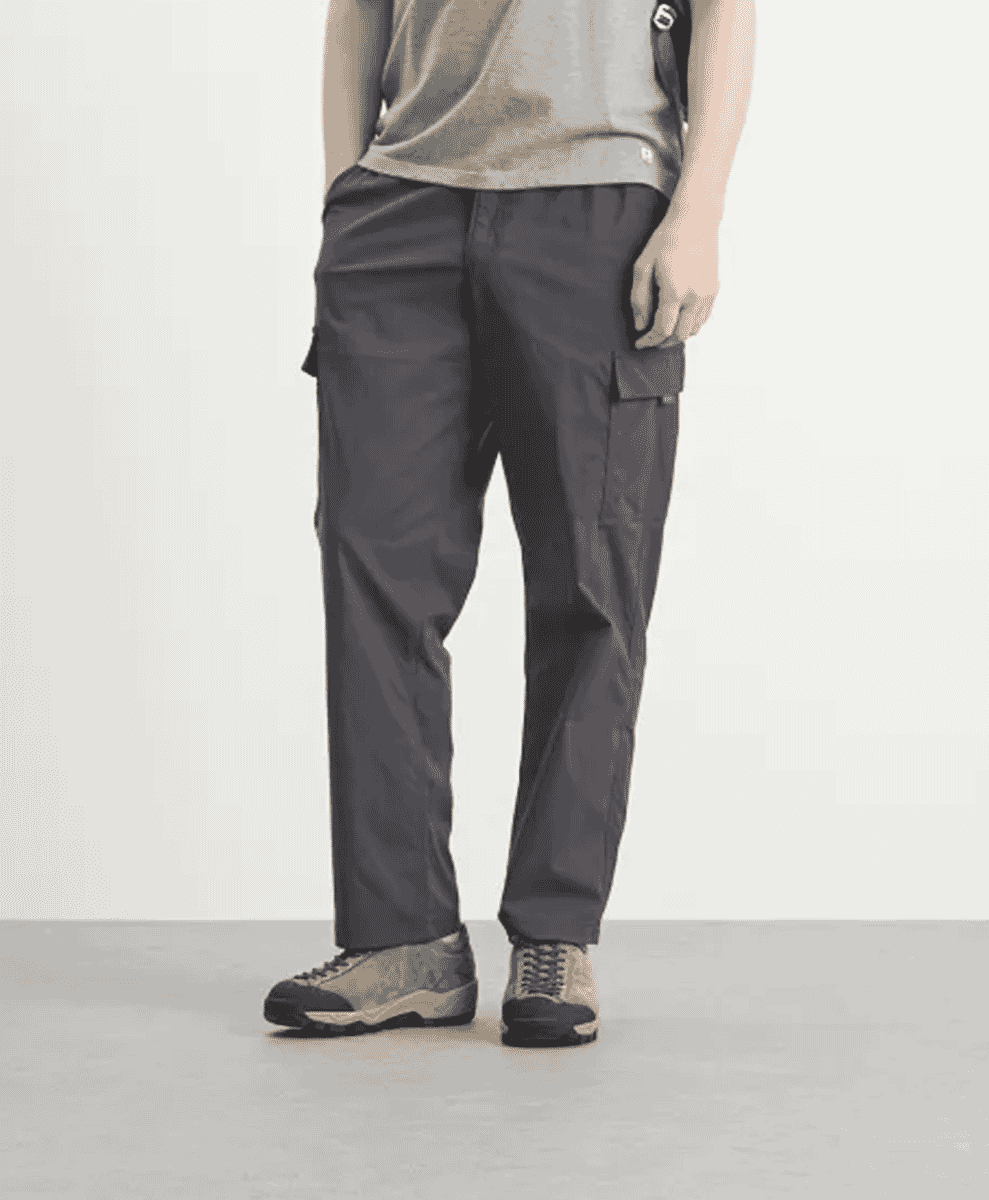
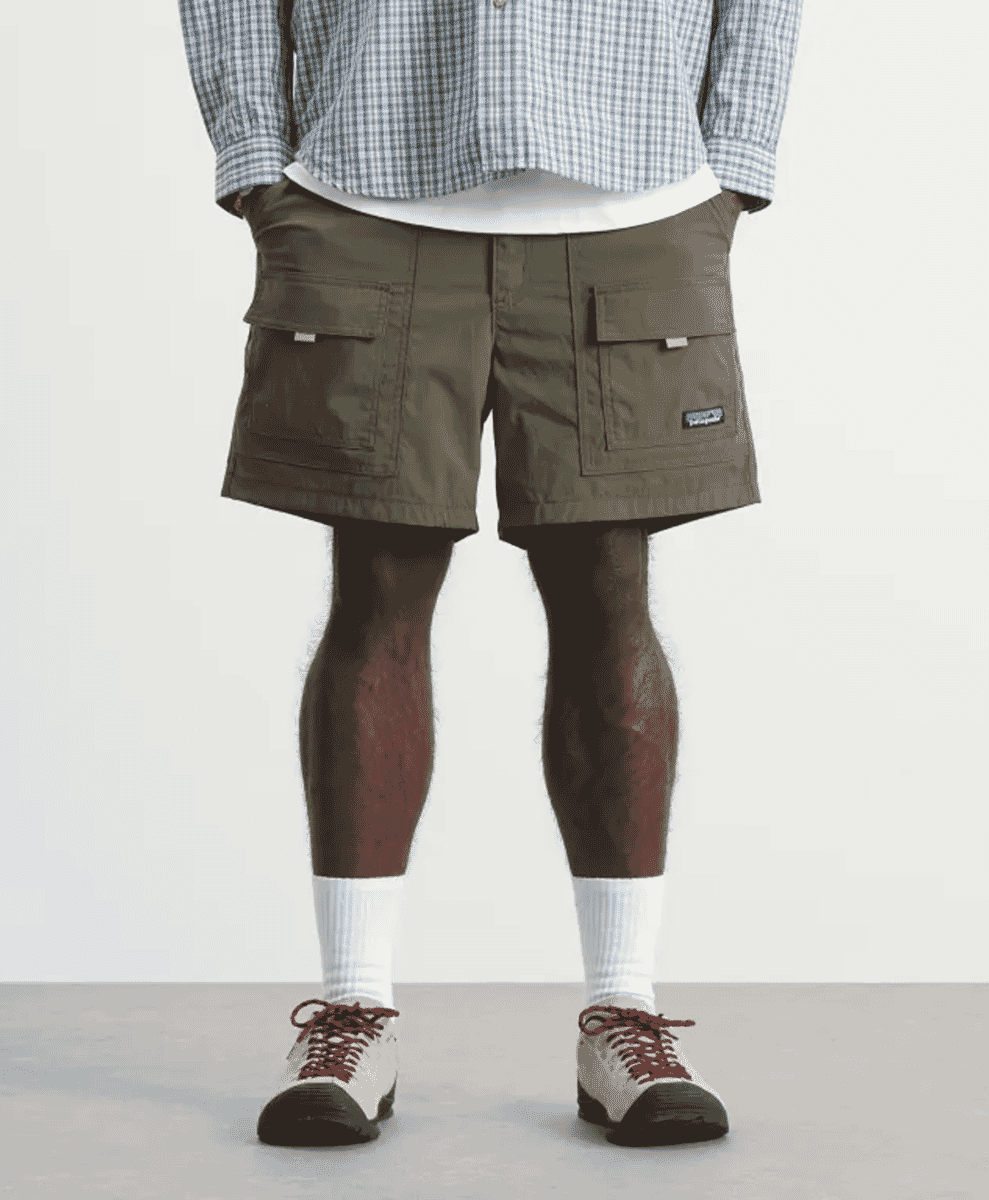
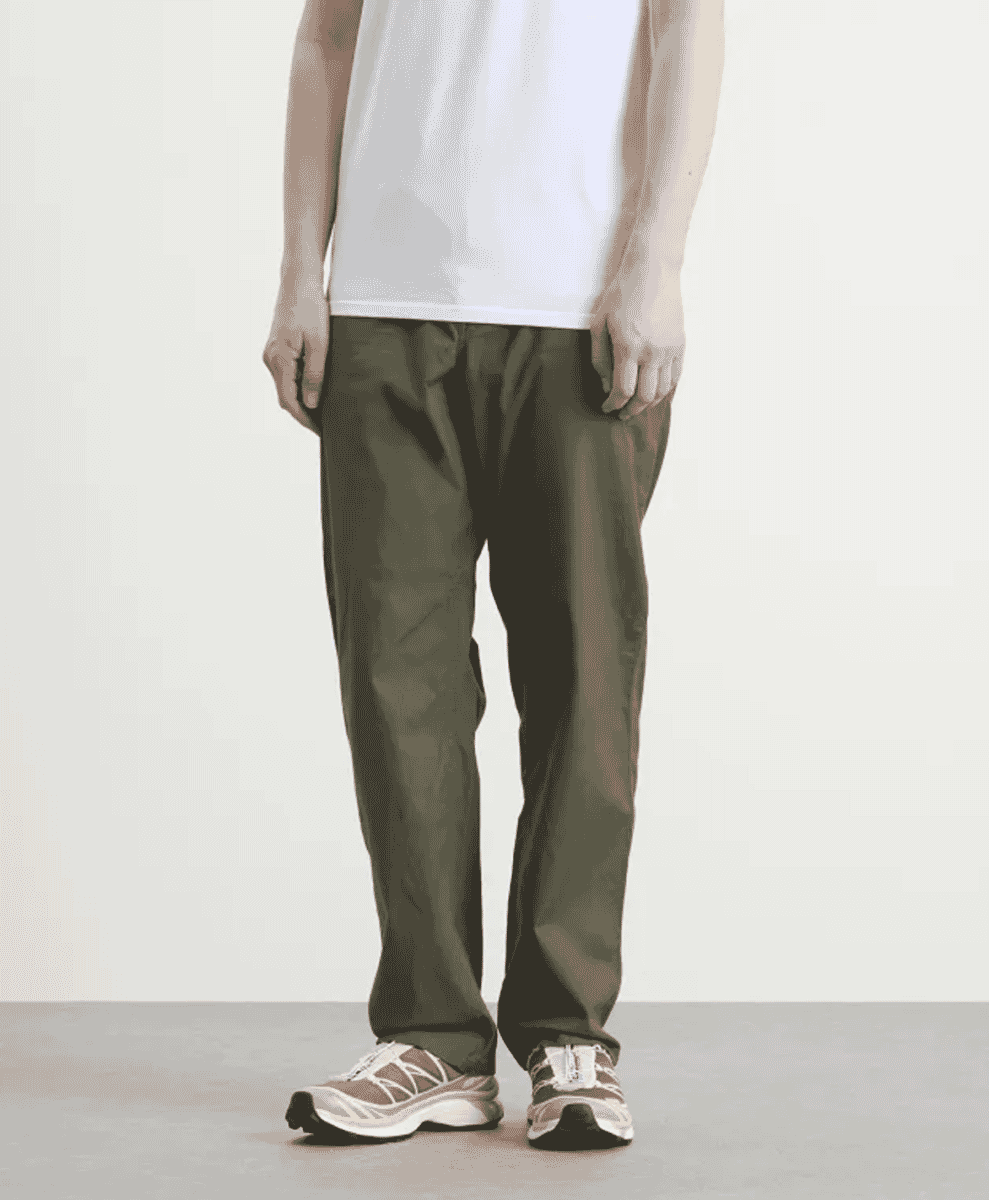
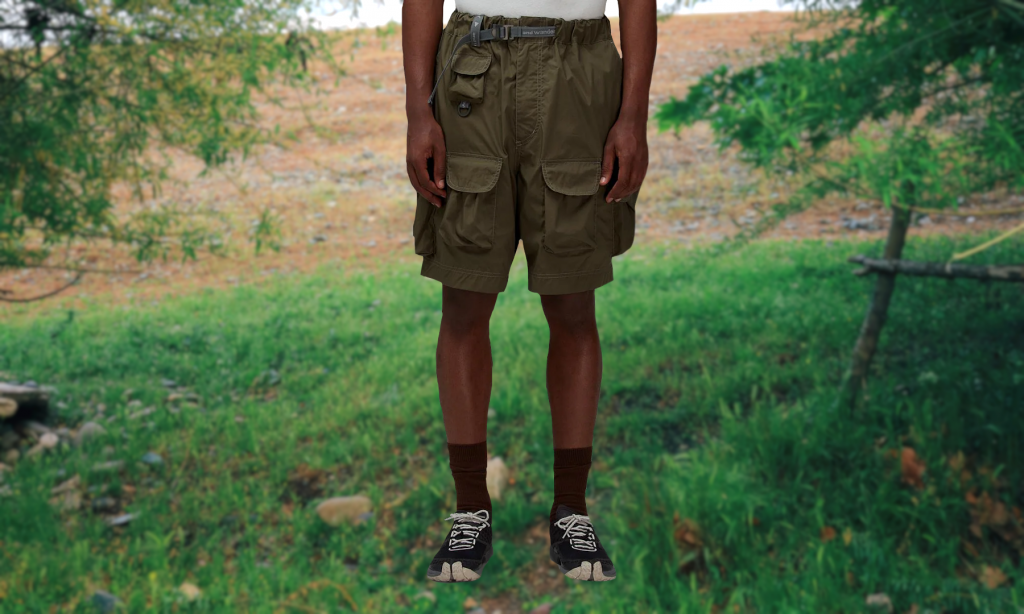
When reviewing the Patagonia shorts sizing and fit guide, pay close attention to the inseam length. For 2026, the 6-inch inseam remains a favorite for its balance of coverage and movement. For the Outdoor Everyday Trousers, the use of sustainable materials doesn't compromise the "give" in the fabric. If you prefer a tailored look and find yourself between a 32 and 34, the 32 is often the safer bet. For the Lightweight All-Wear GI Trousers, the relaxed drape is intentional—perfect for humid climates where airflow is key.
2026 Product Deep Dive: Bra & Fleece
Technical essentials like the Maipo series and the R1 fleece require a more precise approach to Patagonia sizing. These pieces are the engine of your kit, managing heat and sweat during high-intensity efforts.
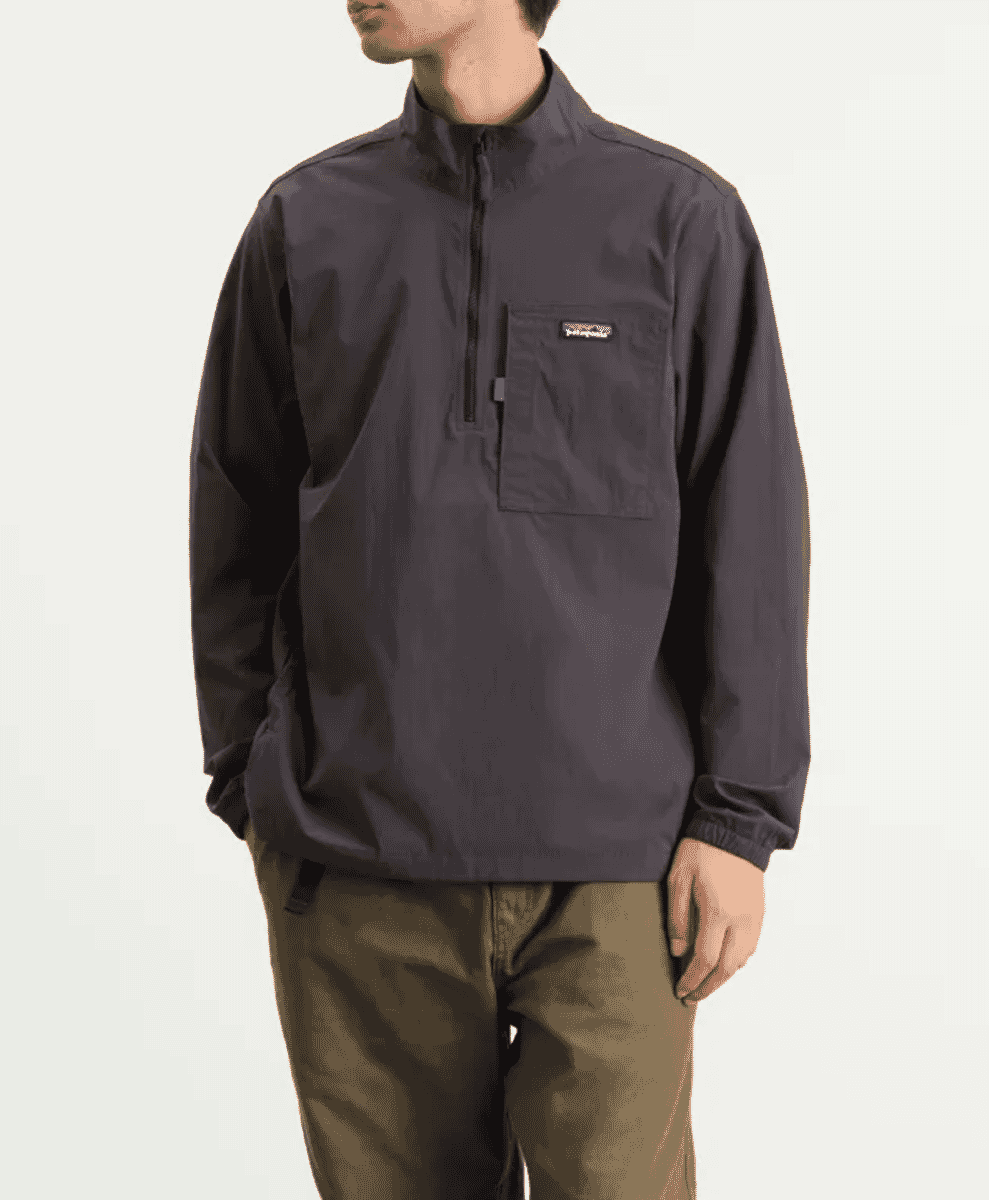
My Patagonia Maipo mid-impact bra sizing advice focuses on the rib cage measurement rather than just cup size. You want a snug fit to prevent chafing, but it shouldn't restrict your breathing. Similarly, Patagonia R1 fleece sizing for technical layering should be close-fitting. The grid pattern of the R1 is designed to trap heat while moving moisture; if the garment is too loose, that thermal efficiency is lost. The 2026 Marsupial fleece offers a more versatile "active fit" that works just as well for a post-hike coffee as it does on the trail.
How to Measure for the Perfect Fit
Ditch the guesswork and grab a flexible tape measure. To utilize the Patagonia size charts effectively, you need three key body measurements.
When learning how to measure for Patagonia sizing, follow these steps for an anatomical fit:
- Chest/Bust: Measure under your arms around the fullest part of your chest.
- Waist: Find your natural waistline by bending to one side to find the crease.
- Hips: Stand with your feet together and measure around the fullest part of your hips.
- Inseam: Measure from the crotch to the floor (or your desired ankle break).
Style Meets Sustainability
Finding your perfect Patagonia sizing is the first step toward a more sustainable wardrobe. When your clothes fit perfectly, you wear them longer, reducing the need for replacements and minimizing environmental impact.

As you explore the Spring Summer 2026 collection, remember that choosing the right fit is an act of product longevity. By matching your measurements to the appropriate fit tier—whether it’s a slim-fit technical R1 or a relaxed-fit GI trouser—you ensure that your gear performs exactly as intended while utilizing the most advanced sustainable materials in the industry. Happy adventuring!