To stand in the heart of Milan during Design Week is to witness the intersection of heritage and the avant-garde. This year, the spotlight illuminates a milestone: the 55th anniversary of an icon. The Range Rover evolution has never been a mere chronological progression; it is a masterclass in how a vehicle can transition from a rugged utilitarian tool to a global symbol of refined living. Through the "Futurespective" installation, we explore a legacy that redefined the flagship luxury segment, proving that true modernist minimalism is timeless.
Heritage: The 1970 Genesis and Retro Tactility
The story begins in 1970, a year that forever altered the Range Rover design history. Under the visionary guidance of Charles Spencer King, the original Range Rover Classic was born—not as a luxury car, but as a "car for all reasons." Yet, its inherent British automotive heritage and unmistakable clamshell hood possessed an accidental elegance that the fashion world immediately embraced.
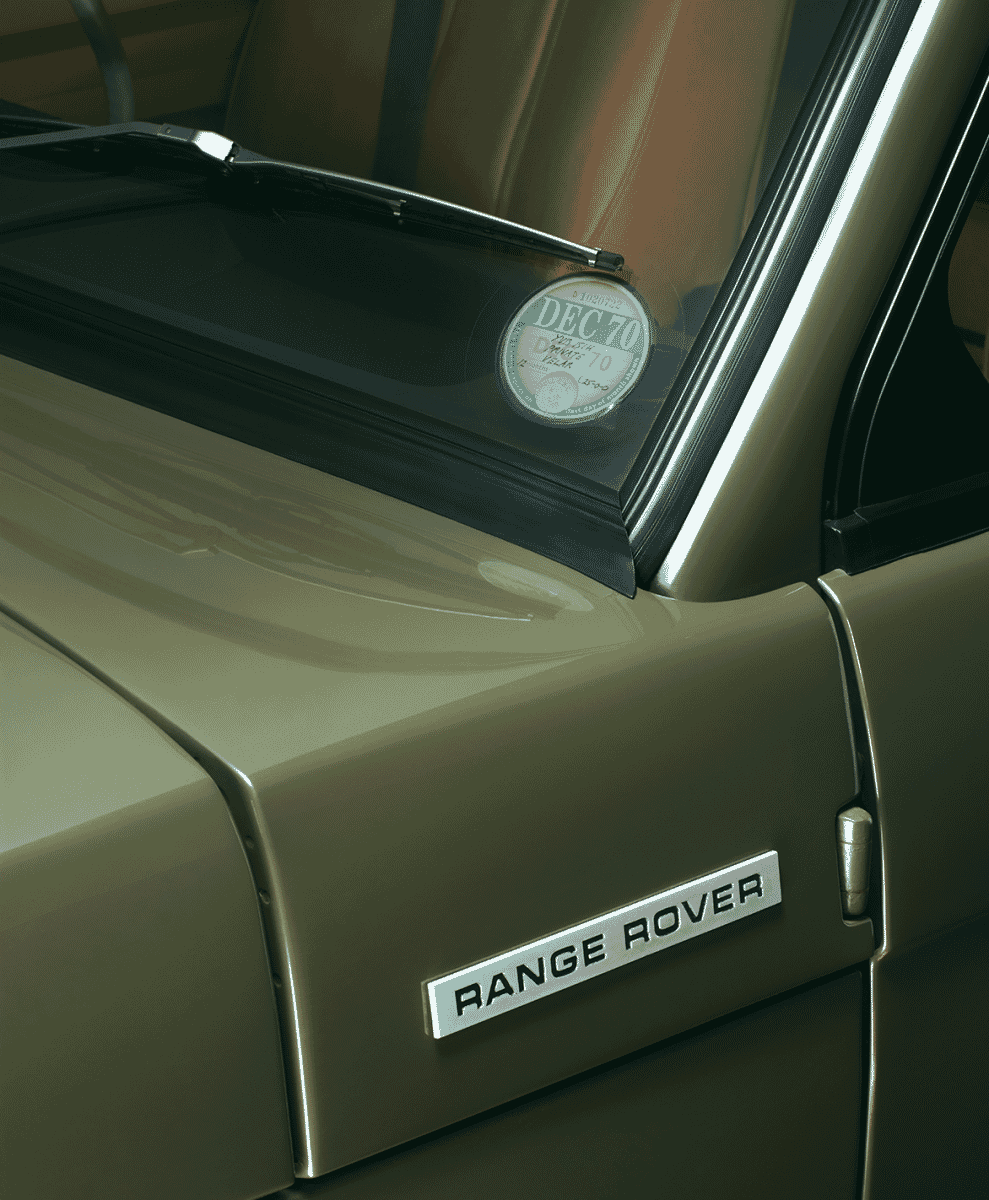
This era was defined by a specific "Retro Tactility." In the early 70s, luxury meant physical warmth and depth. The Range Rover interior transformation 1970 to 2025 finds its roots here, in the surprising juxtaposition of utility and comfort.
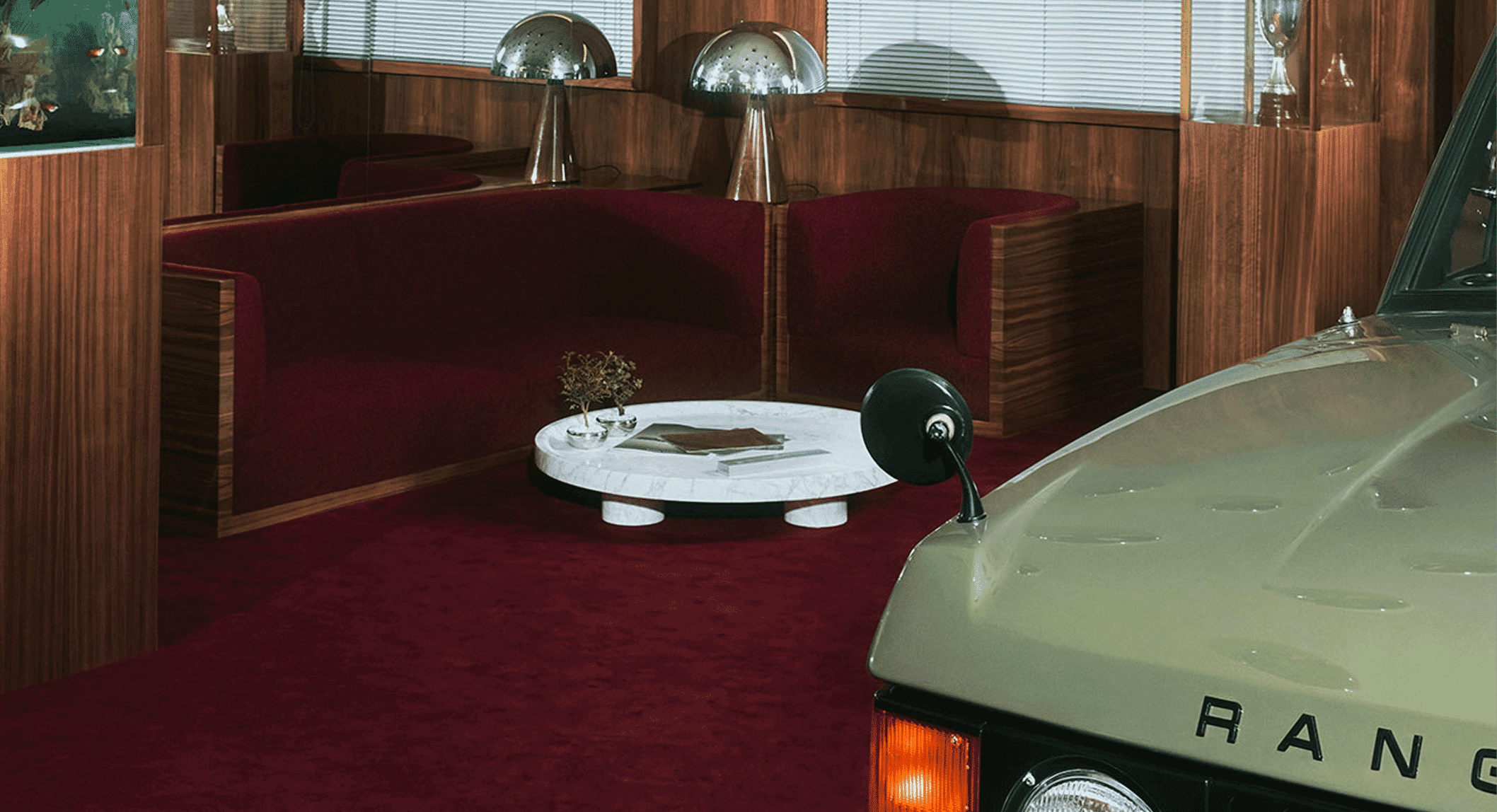
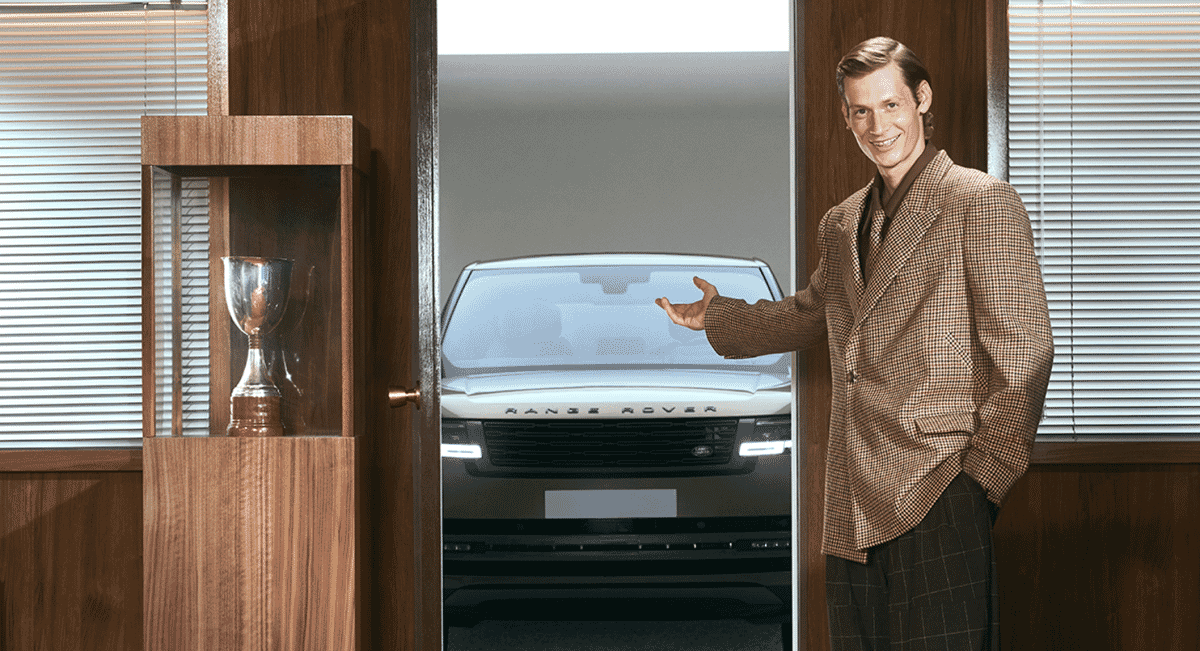
Style Edit: To mirror the 1970 Classic, look to textured wool and heritage patterns. A brown checkered wool coat paired with heavy-gauge knits reflects the car’s rugged aristocratic spirit. Just as the car used velvet and wood to soften its off-road capabilities, this look balances durability with a sophisticated silhouette, perfect for a crisp morning in the English countryside or a gallery opening in Brera.
The Design Philosophy: From Bold Edges to Reductive Purity
As we move through the decades, luxury SUV design trends shifted from purely functional to intentionally aesthetic. By the time the 1981 'In Vogue' edition arrived, the Range Rover had been exhibited at the Louvre as a "masterwork of industrial design." The Range Rover evolution transitioned into an era of retro-futurism, where the floating roofline and continuous waistline became non-negotiable signatures.
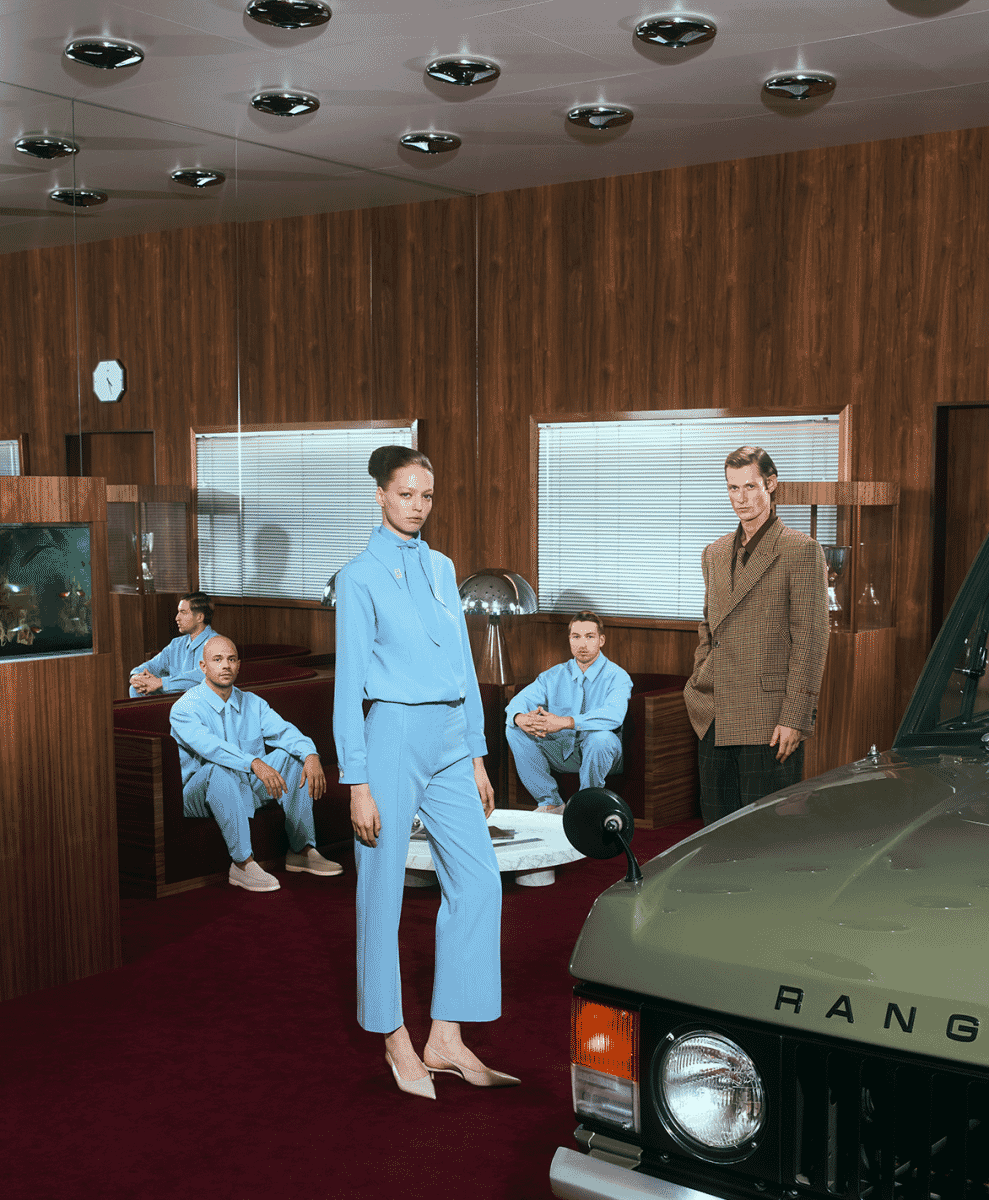
In this section of the Milan installation, we see how comparing Range Rover classic vs modern luxury features reveals a consistent devotion to "Reductive Design." The philosophy is simple: strip away the superfluous until only the essential remains. These reductive design features in the new Range Rover are foreshadowed by the bold, geometric lines of late 70s fashion.
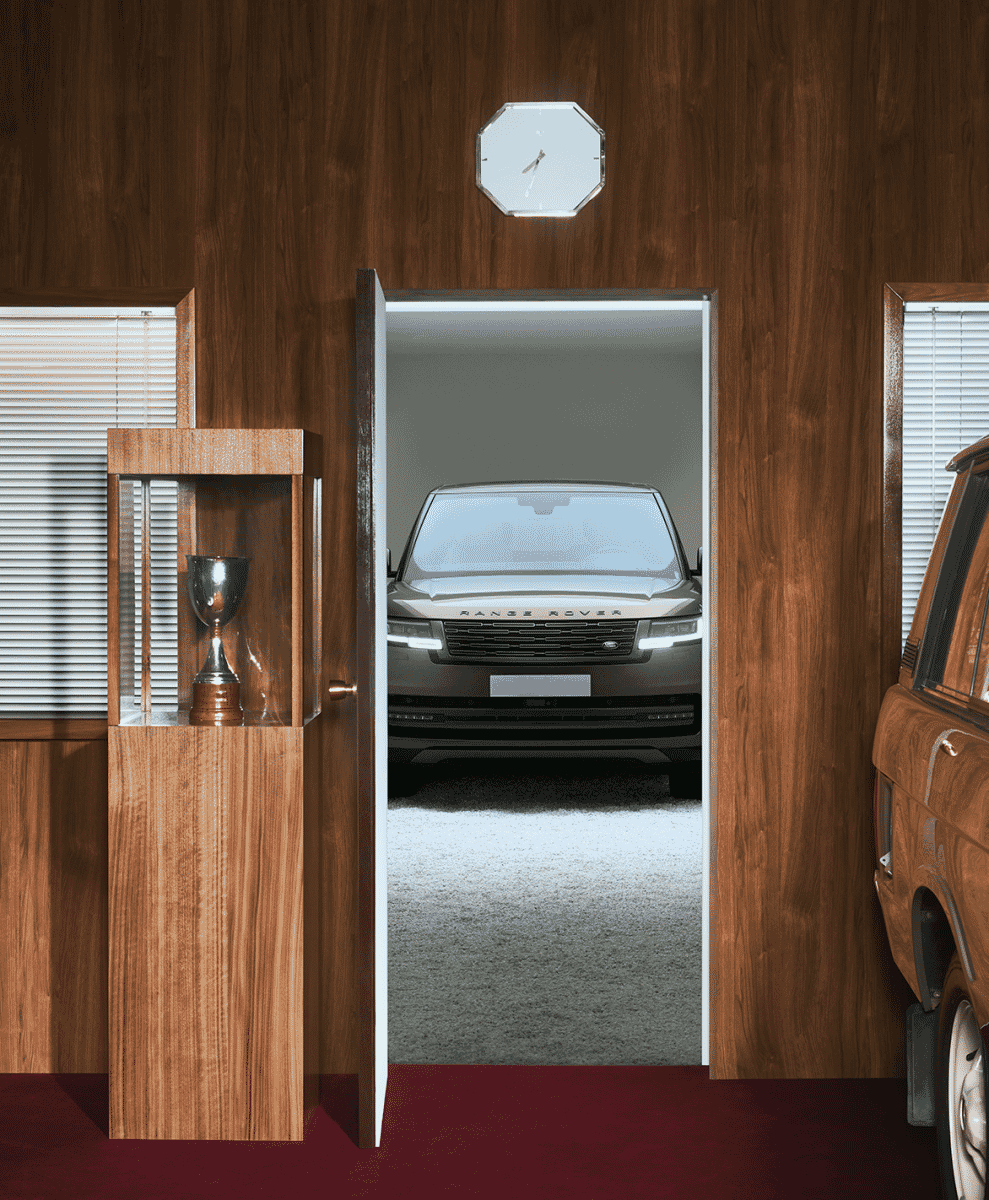
Style Edit: The 1970s light blue tailored ensemble captures this transition perfectly. The wide lapels and sharp, angular geometry of the suit mirror the car’s increasing confidence in its own aesthetic. It is a look of "Industrial Chic"—strong enough for the boardroom, yet refined enough to stand beside a piece of automotive art.
Modernism: The 2026 Vision in Milan
Stepping into the modern segment of the "Futurespective" feels like entering a sanctuary of modernist minimalism. The 2026 models represent the pinnacle of the Range Rover interior transformation. Here, the architecture-inspired cabin replaces clutter with a serene, 13.1-inch curved glass touchscreen and sustainable materiality like Kvadrat™ wool blends and Ultrafabrics™.
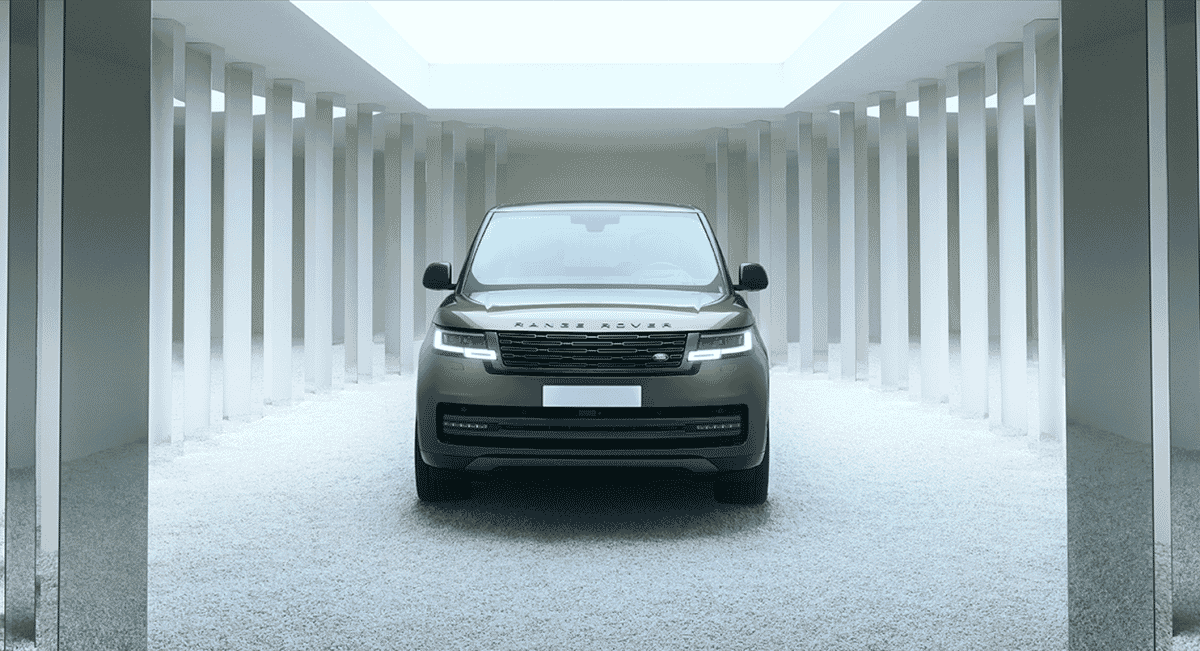
Whether you are debating the Range Rover SV vs Autobiography trim differences, the focus remains on bespoke craftsmanship. The modern Range Rover is a marvel of engineering, featuring a 36-foot turning circle and the practical benefits of Range Rover air suspension kneel feature, which lowers the vehicle for a more graceful entry—a nod to the effortless elegance required by the modern elite.
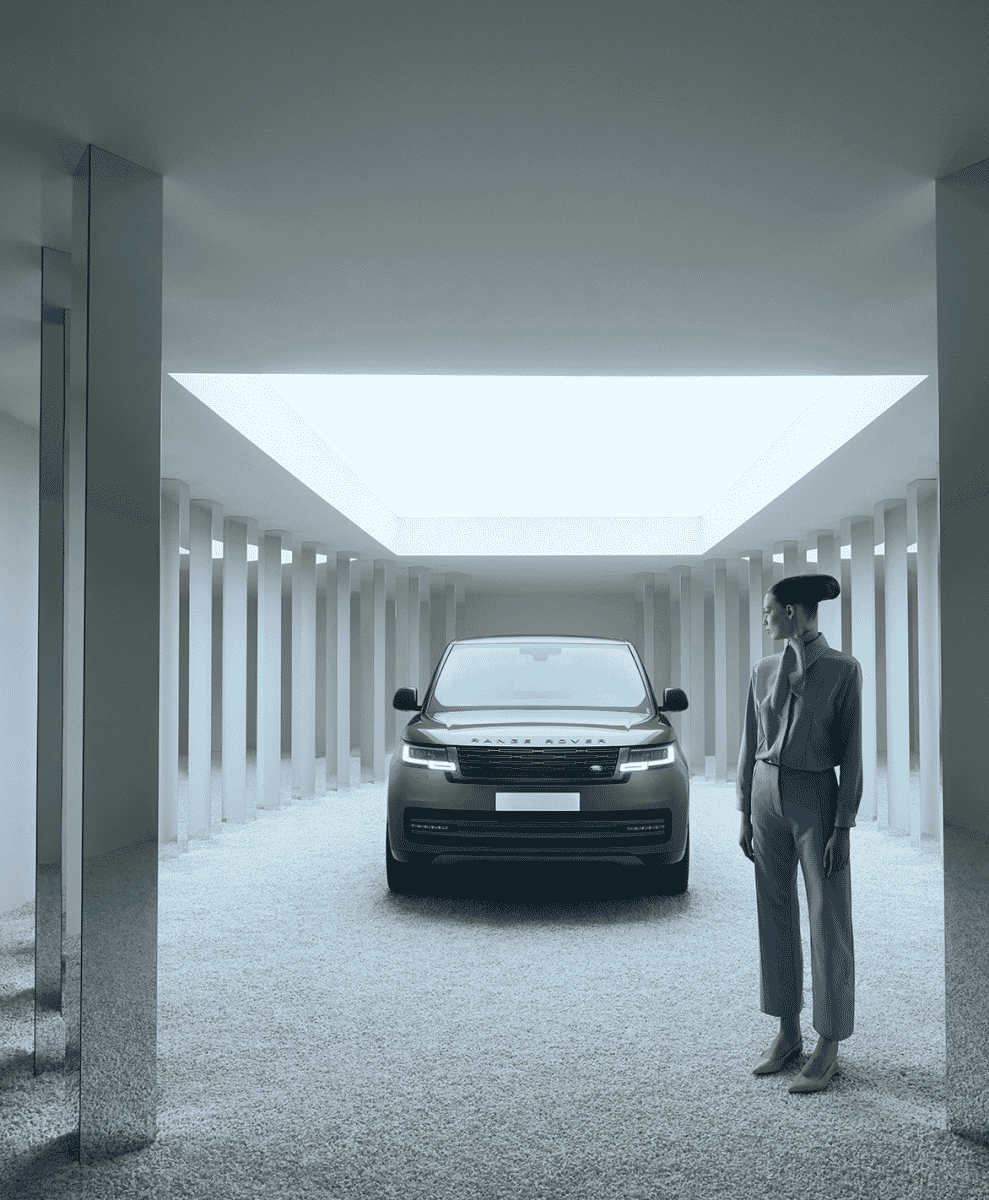
Style Edit: For the modern era, embrace a monochromatic, architectural suit in dove gray. High-neck blouses and hidden fastenings align with the "Quiet Power" of the PHEV models. This is "Weightless Modernism"—a style that prioritizes the essence of the form and the quality of the fabric over loud branding.
Closing: A 55-Year Legacy of Stillness in Motion
As we conclude our journey through this immersive brand installation in Milan, it becomes clear why the Range Rover has maintained its motoring icon status for over half a century. It is a vehicle that offers a sense of calm in an increasingly loud world—a sanctuary of "stillness in motion."
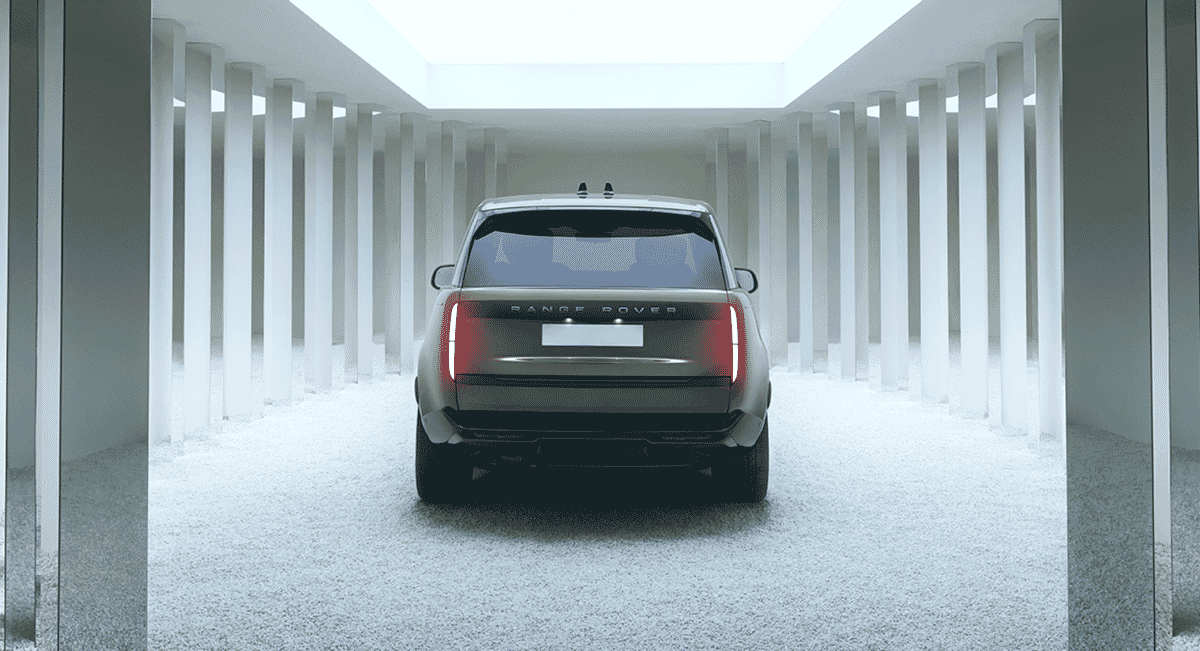
The Range Rover evolution continues as we enter the electric era, with a growing waiting list that proves the appetite for sustainable luxury is higher than ever. From the olive-green fields of 1970 to the white architectural corridors of 2026, the brand remains the ultimate investment piece for those who value heritage as much as they do the future.
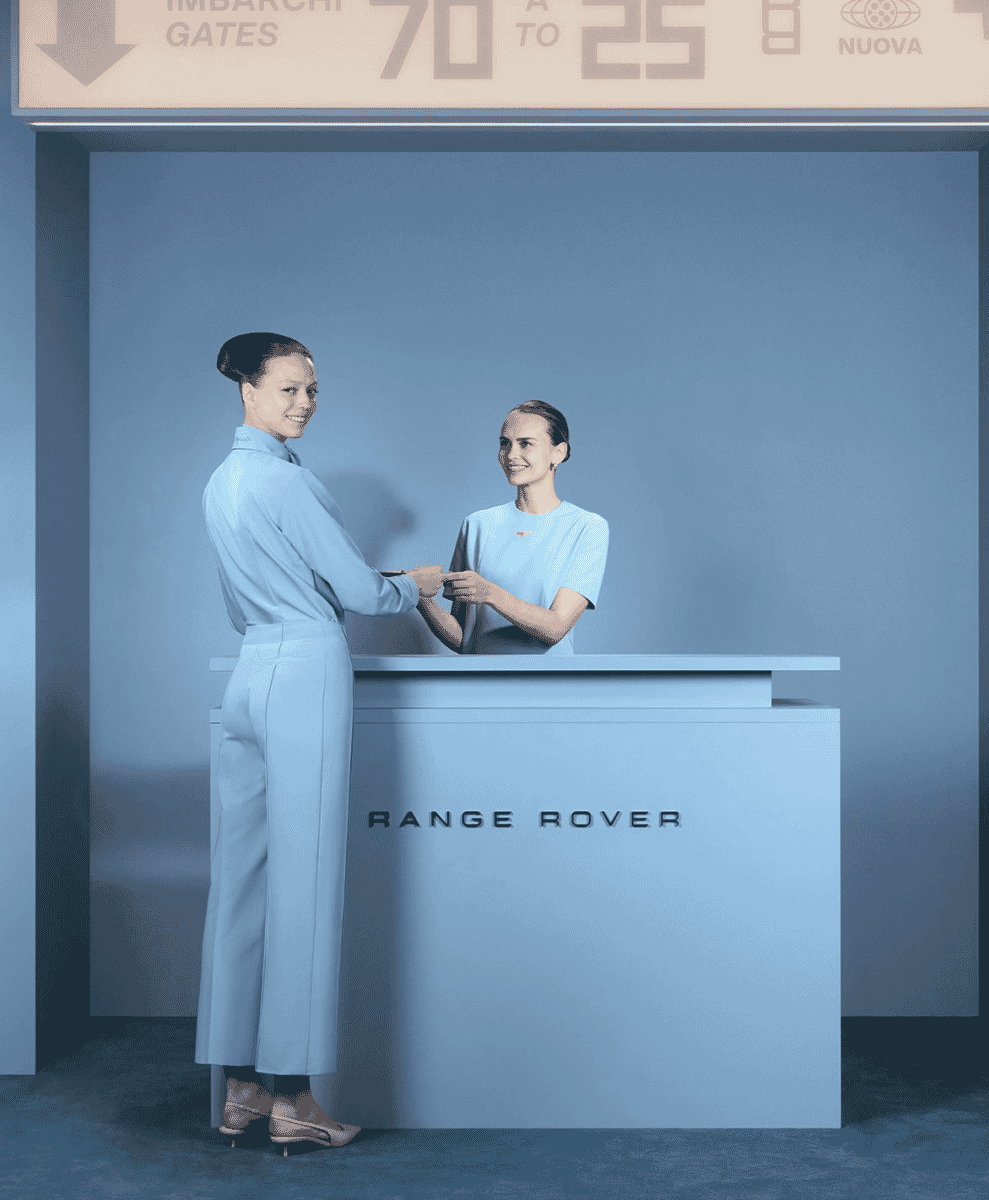
Style Edit: To close the lookbook, a light blue professional ensemble offers a final nod to the brand's versatility. It is clean, precise, and utterly timeless—much like the Range Rover itself. Whether navigating Milan’s cobblestone streets or a Highland trail, these pieces represent a life lived with intentionality and grace.