There is a quiet revolution occurring where the rugged trails of the Himalayas meet the sun-drenched hills of Tuscany. As we navigate the peak of the gorpcore trend, the focus has shifted from sterile, high-tech synthetics toward a deeper form of material storytelling—one that prioritizes heritage aesthetic and tactile luxury. The North Face Casentino collection represents this intersection perfectly, reimagining the brand’s most utilitarian silhouettes through the lens of a 400-year-old Italian textile tradition.
The Evolution of an Icon: 1995 Casentino Denali Jacket

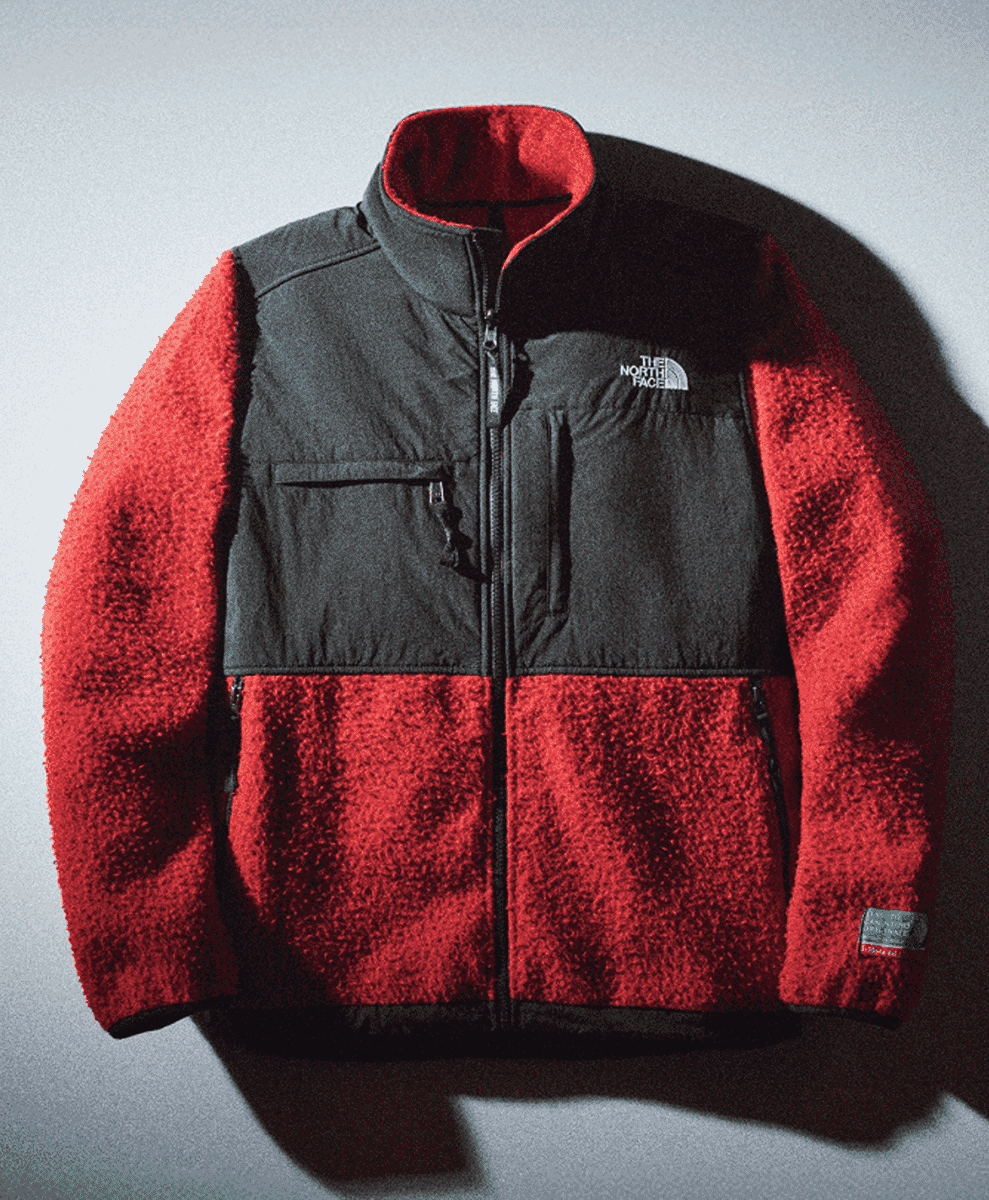
When you look at the 1995 Casentino Denali Jacket, you are viewing a masterclass in archival elevation. The North Face has taken its most recognizable archival silhouette and replaced the standard recycled polyester with a heavy-duty 415 G/M² Panno Casentino. This isn't just a seasonal refresh; it is a structural transformation. The boxy, relaxed fit that defined mid-90s outdoor gear remains, but the weight and drape of the Italian wool lend it a presence usually reserved for bespoke tailoring.
In this The North Face 1995 Casentino Denali Jacket review, the standout feature is how the brand has maintained its technical DNA. Despite the luxury fabric, you still find the reinforced, wind-resistant overlays across the chest and shoulders. These panels provide the necessary contrast, ensuring the jacket doesn't lose its "mountain-ready" edge while functioning as a piece of luxury streetwear. It is a garment that feels equally at home in a curated gallery space as it does on a crisp autumn hike.
Casentino Wool vs Synthetic Fleece: Performance & Texture
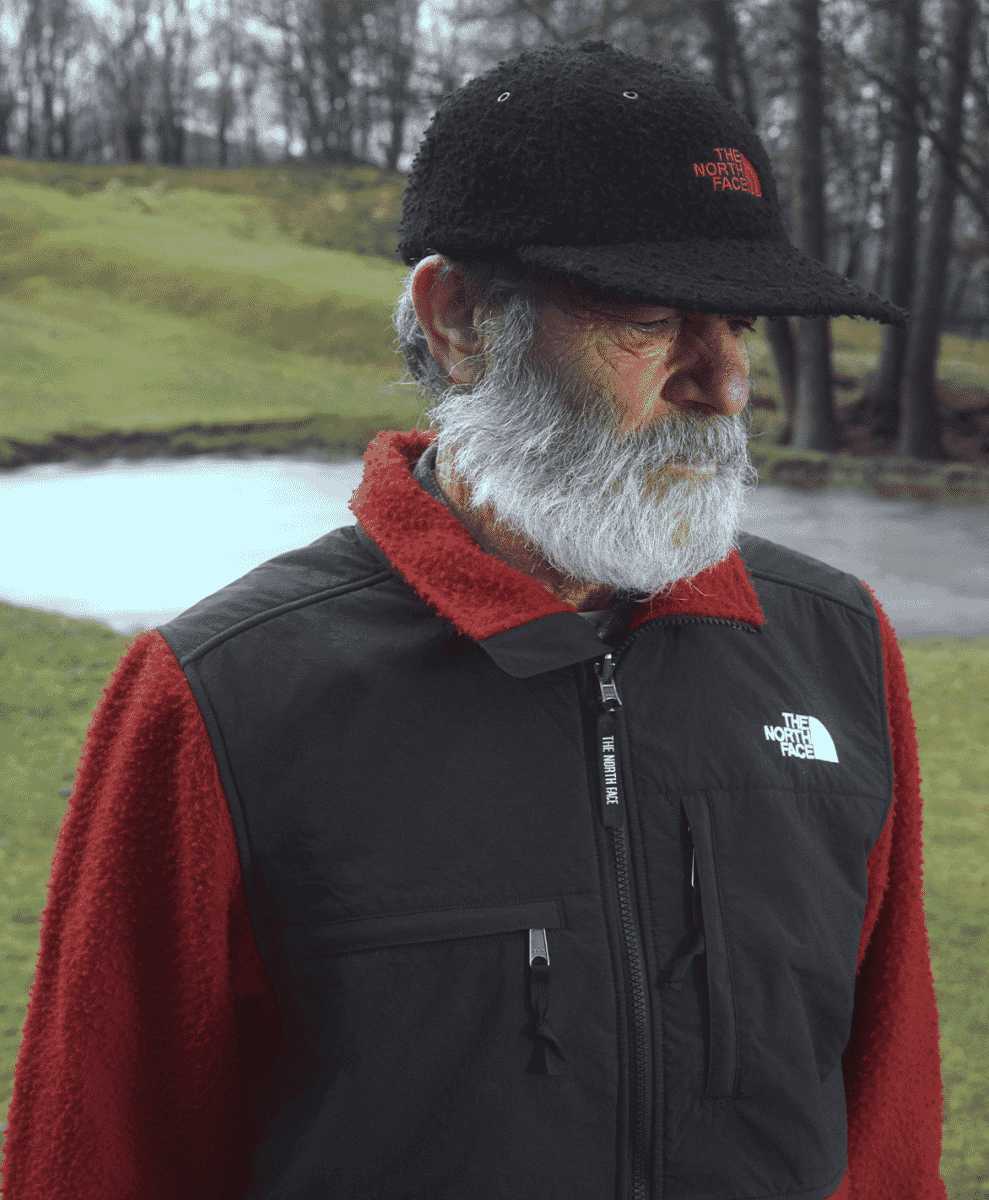
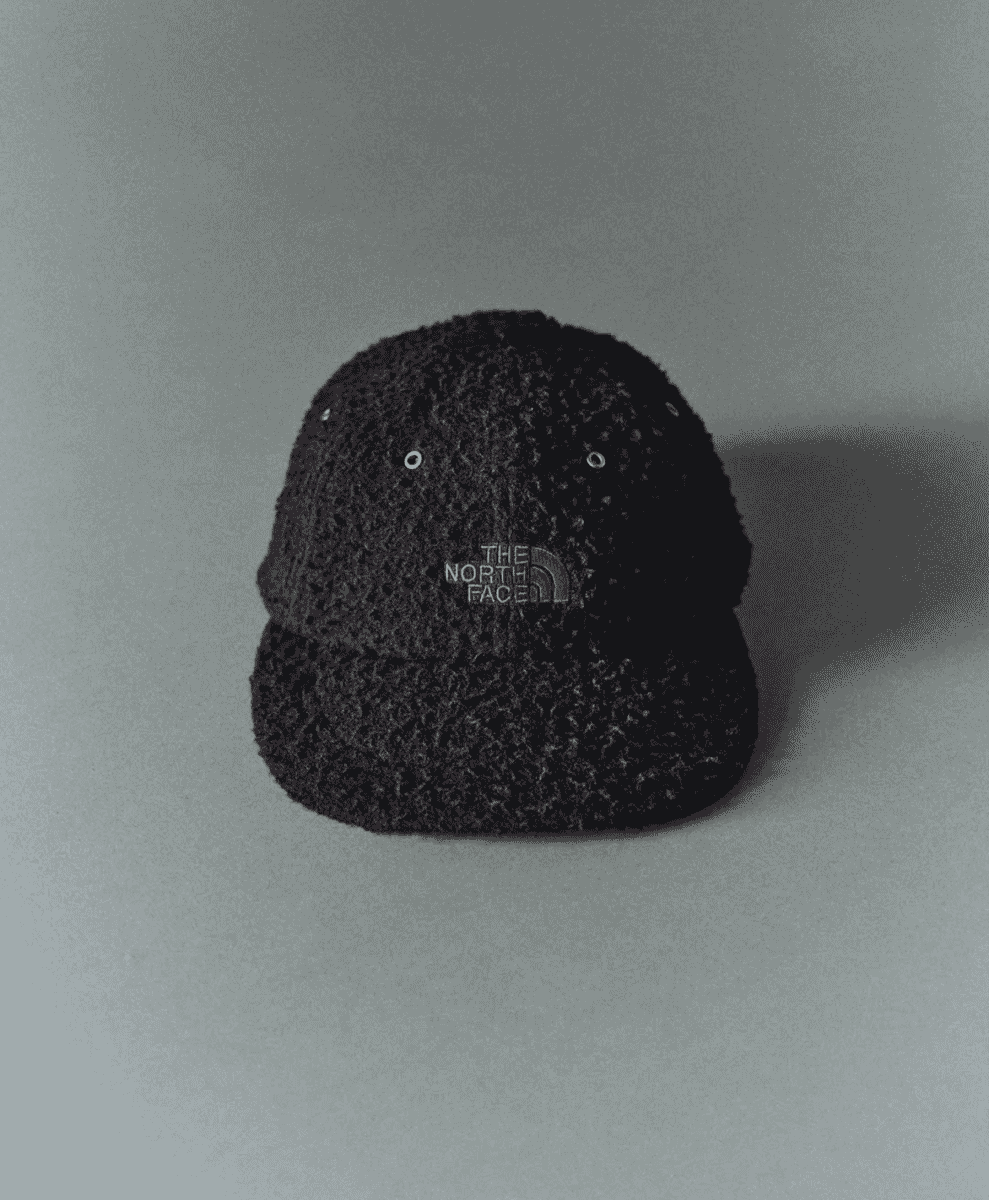
The most striking visual element of the North Face Casentino is its signature bobbled texture. Historically used by Tuscan shepherds and later adopted by Italian aristocrats, this "frizz" is achieved through a traditional stone-rubbing process. When evaluating Casentino wool vs synthetic fleece, the difference is more than aesthetic. While synthetic fleece is designed to mimic the warmth of wool, it often lacks the sophisticated thermal regulation and breathability inherent in natural fibers.
The "sculptural" curls of the wool serve a pragmatic purpose: they create microscopic air pockets that trap heat, offering exceptional natural insulation. In terms of Casentino wool vs synthetic fleece warmth and breathability, the wool variant offers a more consistent microclimate for the wearer. However, it is important to note the difference between North Face Casentino and original Denali: the wool version is significantly heavier and offers a more structured, less "squishy" feel than its polyester counterpart. The inclusion of recycled nylon WindWall™ overlays ensures that the high-friction areas remain durable and resistant to the elements.
Beyond Apparel: Verto Alpine Casentino Boots

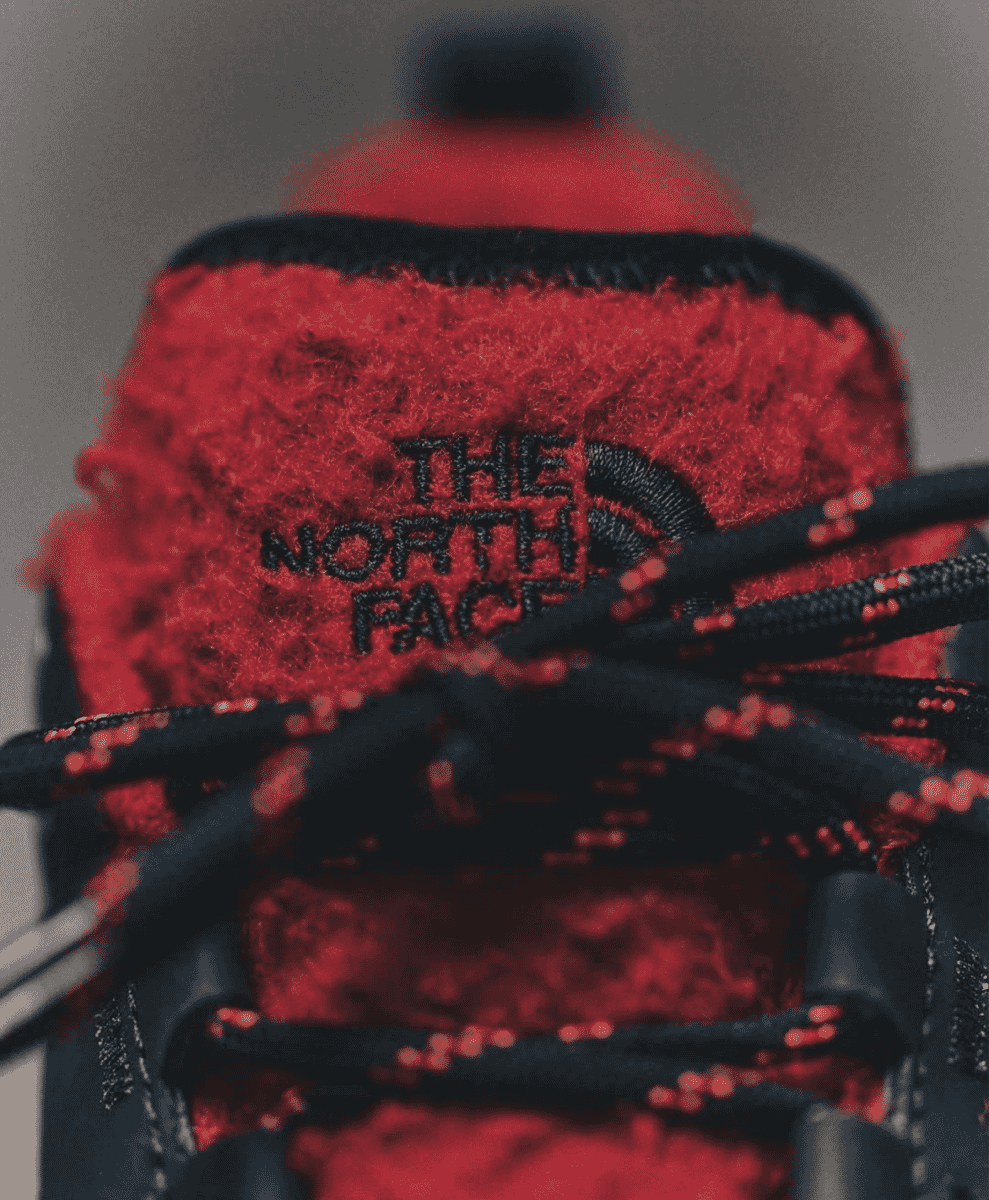
The collection extends its material ethos to footwear with the Verto Alpine Casentino hiking boots. These are not merely "lifestyle" shoes; they are built for a technical lifestyle. By wrapping a high-performance alpine boot in traditional wool, the brand creates a fascinating juxtaposition. The wool provides excellent moisture-wicking properties, while the integrated GORE-TEX lining ensures that the boots remain entirely waterproof.
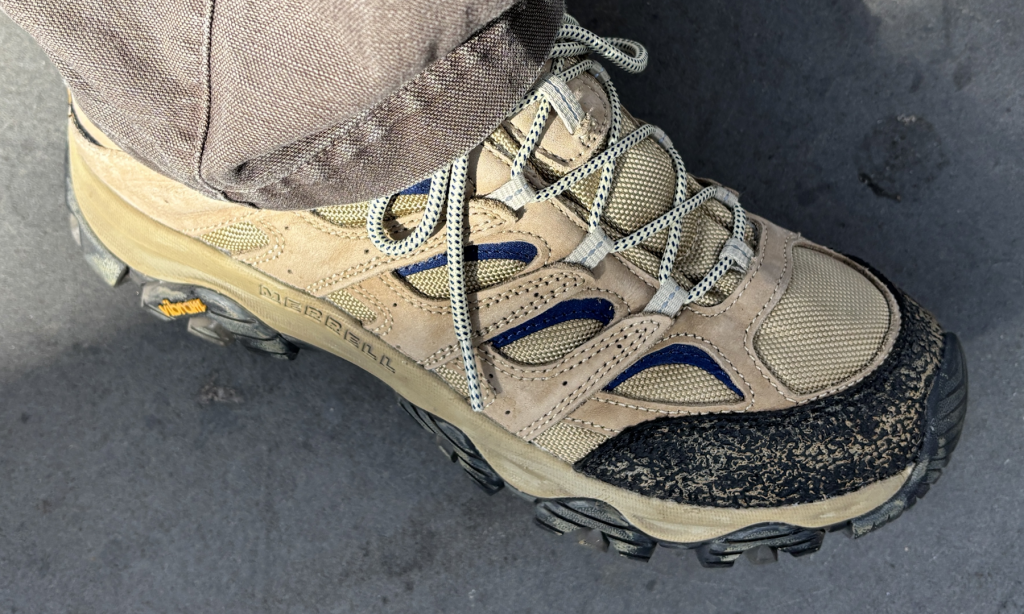
When considering the North Face Verto Alpine Casentino boots for city wear, the appeal lies in their rugged sophistication. The texture of the wool softens the aggressive silhouette of the Verto Alpine, making it surprisingly versatile for an urban wardrobe. Whether paired with technical trousers or heavy denim, these boots signal an appreciation for both Italian craftsmanship and outdoor utility. They offer the stability of a mountain boot with the tactile finish of a luxury accessory.
Investment Guide: Care & Sizing
As a luxury editor, I view the North Face Casentino as an investment piece, but one that requires a specific level of commitment. Regarding North Face 1995 Casentino Denali sizing and fit, the jacket follows the original 1995 blueprint—expect a generous, boxy cut. If you prefer a more tailored look for the city, you may want to size down, but to truly capture the heritage aesthetic, I recommend sticking to your true size to allow for layering.
The most common question is: is North Face Casentino wool worth the extra cost? At $560, it is more than triple the price of a standard Denali. The value lies in the natural insulation and the longevity of the fabric. However, you must consider how to care for a Casentino wool North Face jacket. Unlike synthetic fleece, which you can toss in the wash, this wool requires professional dry cleaning or very careful hand-washing. It is also important to remember that while the wool is naturally water-repellent, it becomes quite heavy when saturated, making it better suited for dry, cold climates rather than heavy downpours.
Ultimately, the North Face Casentino collection is a triumph of "New Luxury." It takes the reliability of a global outdoor leader and marries it with the soul of a historical textile. For the collector who values provenance as much as performance, this is a definitive winter staple that bridges the gap between the peaks and the pavement.