The trip blueprint
For three days, start with one blazer, two bottoms, three tops, one optional dress and two shoes. Wear the bulkiest combination in transit and make sure every meeting remains covered if one garment becomes unavailable.
- Plan complete looks before making the packing list.
- Keep one backup meeting top in the personal item.
- Do not pack a unique shoe for a single dinner.
Map the wardrobe to the itinerary
Use the itinerary, live weather and confirmed venue information to decide which version of this capsule belongs in your bag.
Mark the fixed moments before choosing clothes
3-Day Business Trip Capsule Wardrobe works best when each confirmed plan has a line on the itinerary. Mark transit, the longest walk, any venue rule and the smartest evening first. Then assign the outfit formulas to those moments. Travel day starts with fine knit + trouser one + blazer + loafers; meeting day covers a different level of movement or polish. This exposes genuine gaps before a speculative extra reaches the suitcase.
Build the hardest day first
For 3-Day Business Trip Capsule Wardrobe, the hardest test is the most visible meeting day plus the client or team event that follows it. Assemble that outfit completely, including underwear, socks, bag, outer layer and shoe. The outfit must still work when a layer comes off indoors. If the forecast changes, reuse the tailored base and change the top, shoe or small accessory for the evening. A targeted swap protects the capsule better than adding an unrelated backup outfit.
Run a repeat and care check
Lay out One blazer, Two bottoms, Three tops with the rest of the list and count their real uses. A core garment should normally cover two or more plans unless it serves a fixed ceremony or dress code. Check drying time, wrinkle recovery and what can be spot-cleaned. Keep one clean base for the return journey instead of treating every item as available until the final hour.
Map the agenda before choosing clothes
A conference floor, client office and awards dinner do not share the same constraints. Mark the most formal event, the longest standing period and any direct-from-flight obligation.
Once those moments are covered, reuse their blazer, trousers and shoes for the easier parts of the trip.
- Transit
- Primary meetings
- Long standing or walking period
- Client dinner
- Unexpected temperature change
Use the 1–2–3 core
One blazer, two bottoms and three tops create enough visible change for three days. A dress is optional when it solves a formal dinner or provides a genuine backup silhouette.
Choose fabrics that can hang overnight and recover. Pack a small wrinkle-release plan only if the hotel and fabric require it.
Keep the personal item functional
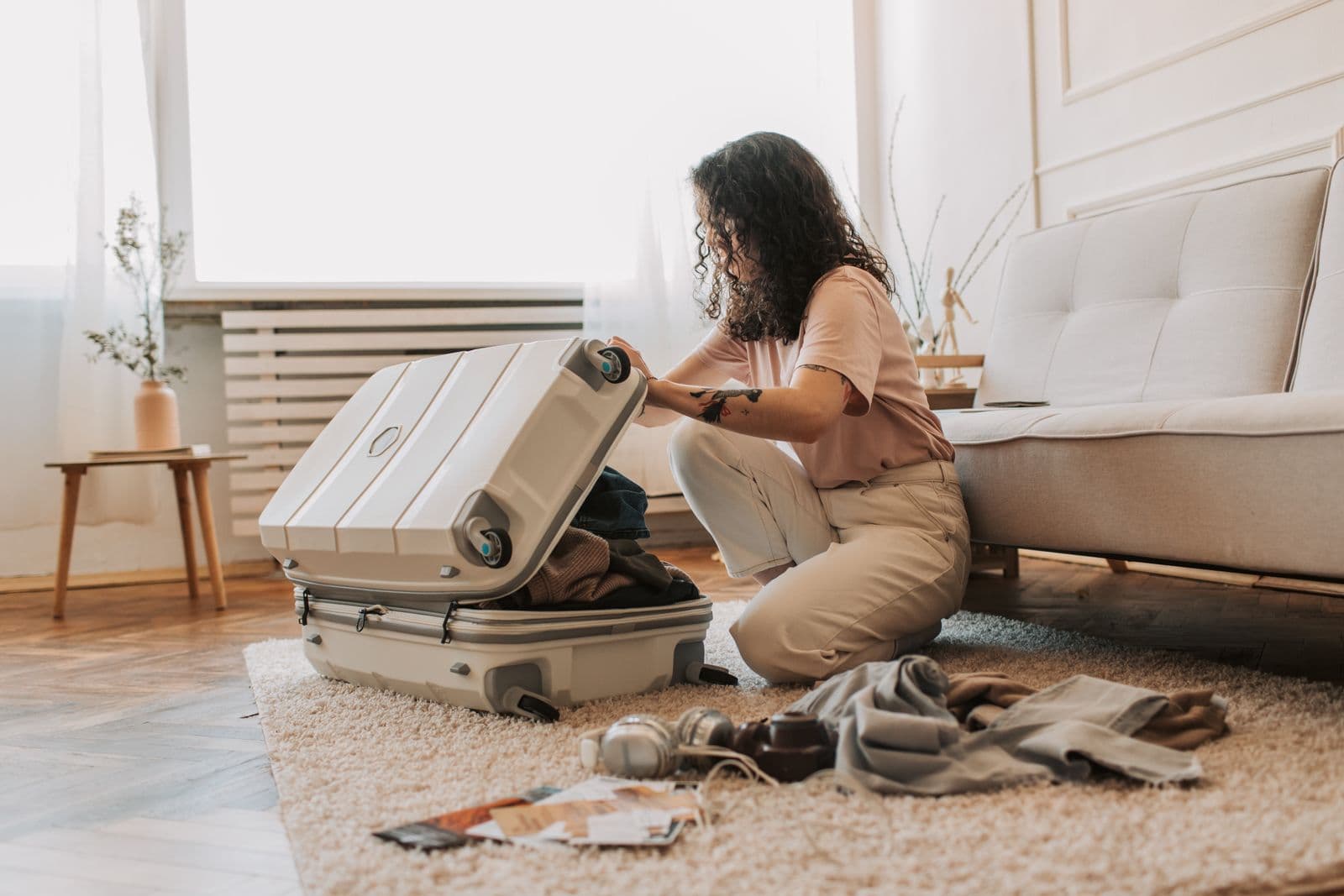
The personal item should contain the parts of tomorrow's workday that cannot be replaced easily: laptop, medication, documents and one compact meeting top. If checking a bag, keep essential formal items with you when practical.
For U.S. departures, follow current TSA guidance for liquids and screening rather than an old packing graphic.
- Meeting top
- Medication
- Chargers and adapters
- Travel-size care items
- Critical documents
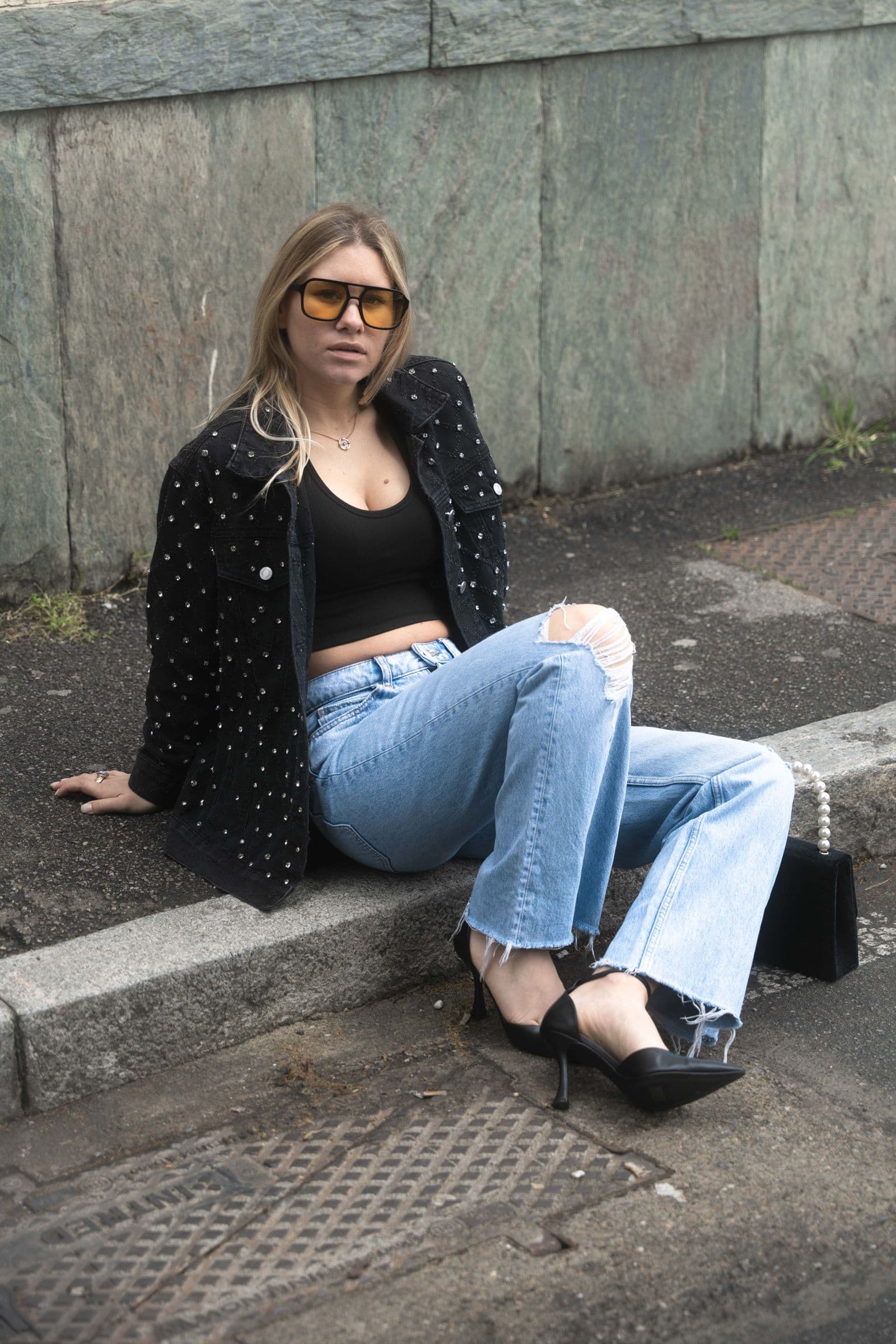
Three outfit formulas
Travel day
Fine knit + trouser one + blazer + loafersWears the bulk and stays ready for an arrival meeting.
Meeting day
Blouse + trouser two + blazer + loafersChanges the line while reusing core pieces.
Dinner and final day
Column dress or shell + trouser one + earrings + dressy flatsAdds polish without a second jacket.
Practical packing list
Give every item a confirmed job. The notes below check function and repeat value against the trip.
Wear or carry this across several days; one-use outer layers rarely earn carry-on space.
Build at least two outfits around this base and confirm the hem works with the chosen shoes.
Use it with more than one bottom and check that it remains comfortable under the main layer.
Style it for at least two plans and confirm that the length, coverage and chosen shoe work together.
Use it with more than one bottom and check that it remains comfortable under the main layer.
Test it for the real walking surface and make sure it works with at least two planned outfits.
Test it for the real walking surface and make sure it works with at least two planned outfits.
Choose a secure size that holds the day's essentials without becoming a second piece of luggage.
Give minimal care kit a named day or practical role in the 3-Day Business Trip Capsule Wardrobe plan before it enters the bag.
Use it with more than one bottom and check that it remains comfortable under the main layer.
Turn this guide into a day-by-day plan.
Use your exact dates, activities, luggage and weather instead of packing from a static list alone.
Common packing mistakes to avoid
Packing the backup before testing the main plan
A backup does not solve an incomplete 3-Day Business Trip Capsule Wardrobe outfit. Try the main shoe, layer and bag together first. Add a substitute only when it covers a specific failure such as rain, delayed luggage or a documented venue rule.
Counting garments instead of complete outfits
A tidy item count can still hide missing socks, incompatible hems or an outer layer that will not close over the knit. Photograph each complete outfit and note the day beside it before the pieces go into the case.
Letting one special item create several more
Avoid a second blazer or meeting-only shoe that cannot cover another day. A garment that needs its own shoe, bra, bag and coat consumes more space than its single-item count suggests. Keep it only when the confirmed itinerary justifies the whole chain.
Frequently asked questions
Is one blazer enough for three days?
Yes, if it layers over every meeting top and the dress. A second blazer is justified only by a distinct dress code or weather need.
Should I pack workout shoes too?
Only when exercise is a real scheduled activity. Otherwise they become a bulky hypothetical item.
When should I finalize this packing plan?
Set the capsule about one week before departure, then make the final outer-layer and shoe decision 48 to 72 hours before travel. That window is close enough for a useful forecast while leaving time to wash, test and repack the chosen pieces.
What should I change when the forecast moves outside the expected range?
Keep the outfit formulas and change one functional layer at a time. For this guide, reuse the tailored base and change the top, shoe or small accessory for the evening. Rebuild the whole capsule only when the new conditions affect most days rather than one short period.
Sources and further reading
We used these sources to check the practical guidance, then wrote and structured this guide independently. Always verify live weather, host instructions and venue rules close to departure.