The weather formula
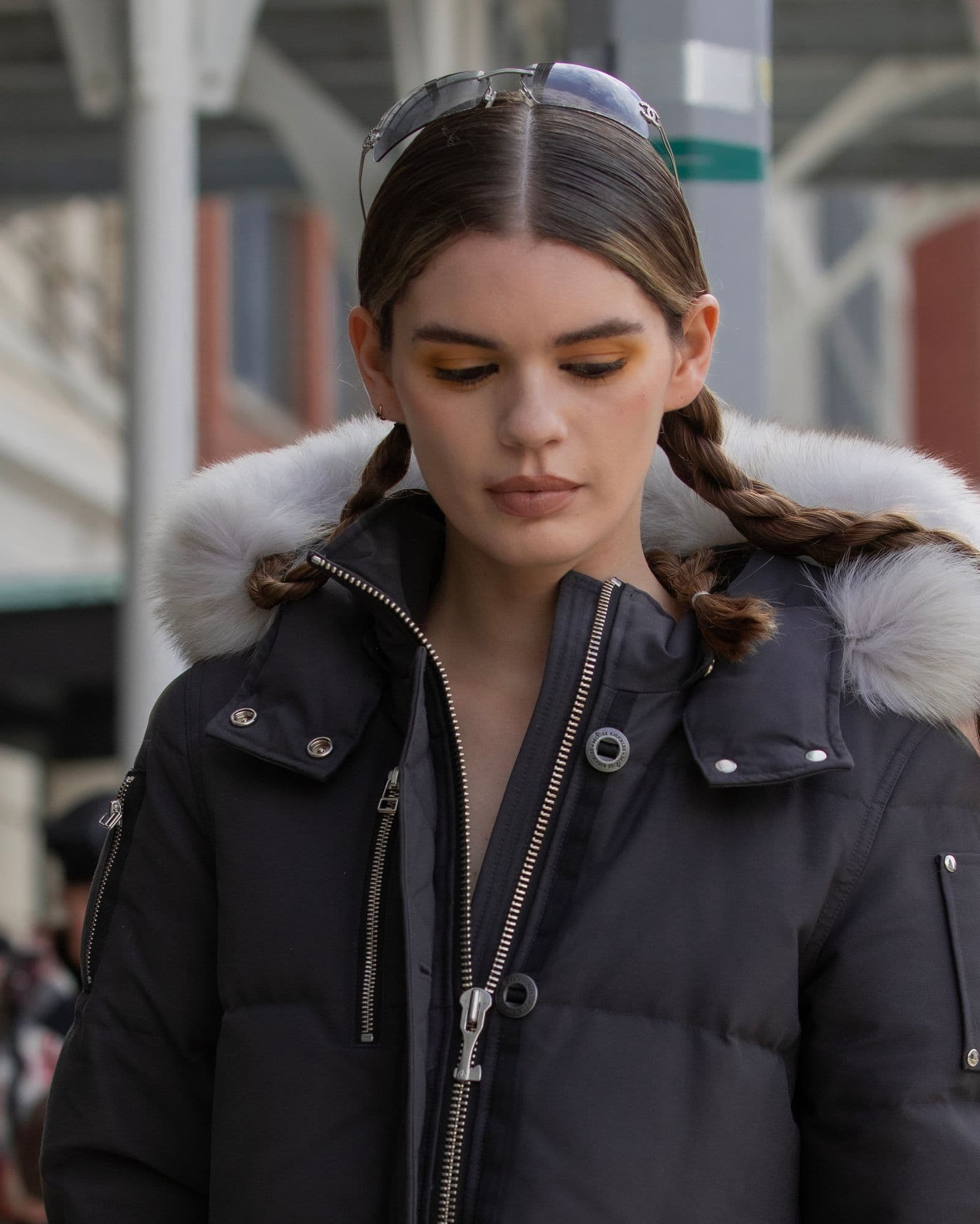
Use a short- or long-sleeve base, light trousers or a midi bottom, comfortable shoes and one compact layer. Near 15°C choose the long sleeve and jacket; near 20°C keep the layer in your bag for shade, interiors or evening.
- One compact layer is usually enough.
- Breathability matters once walking begins.
- Open shoes depend on sun, wind and rain—not temperature alone.
Choose the base for the warmest period
A cotton shirt, tee or breathable knit handles the afternoon better than a heavy sweater. Add warmth with a removable overshirt, cardigan or light jacket.
If most of the day is indoors, choose a base that looks finished after the layer comes off.
- Breathable base
- Compact layer
- Light full-length bottom
Use footwear to fine-tune comfort
A sneaker, loafer or flat is the reliable option across the range. A secure sandal can work near the warmer end when the day is dry and the route is not exposed to cool wind.
The walking requirement remains more important than the seasonal image in your head.
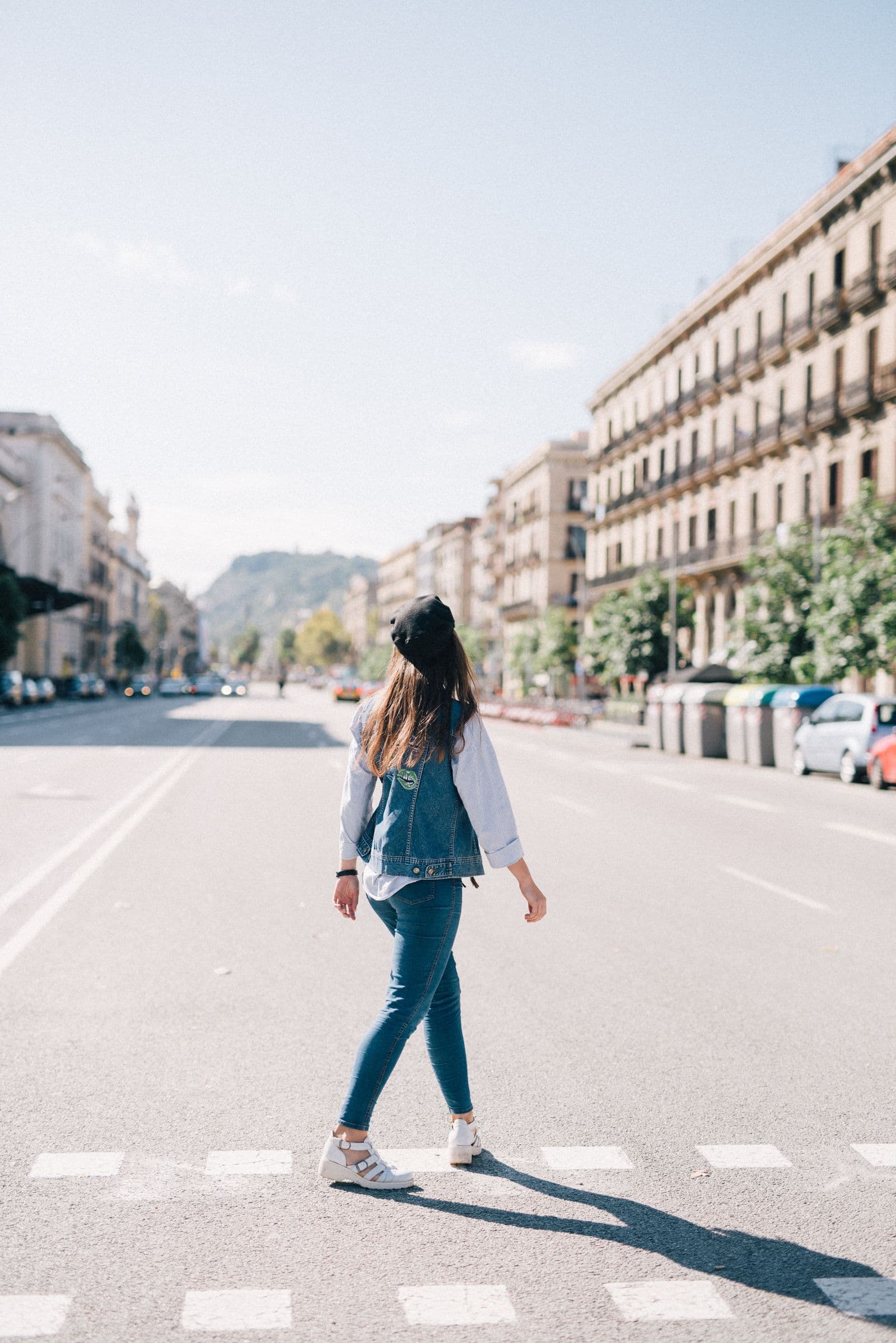
Carry a layer after sunset
A pleasant afternoon can become a cool dinner walk, especially near water or in a windy city. Keep the layer small enough that carrying it is effortless.
A light scarf is optional; avoid adding several just-in-case accessories when the jacket already solves the condition.
- Packable cardigan or jacket
- Closed primary shoe
- Optional light scarf
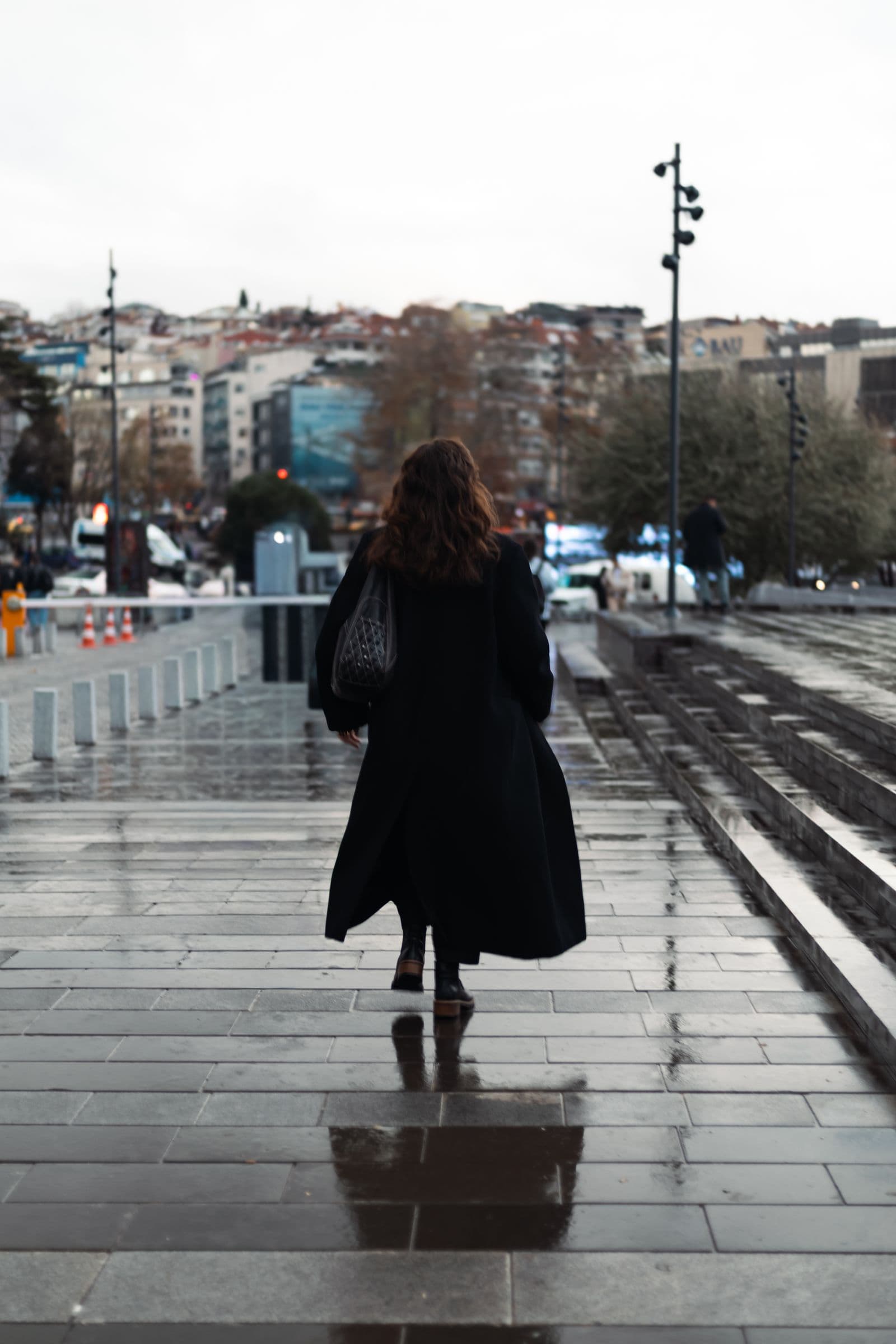
Three outfit formulas
Closer to 15°C
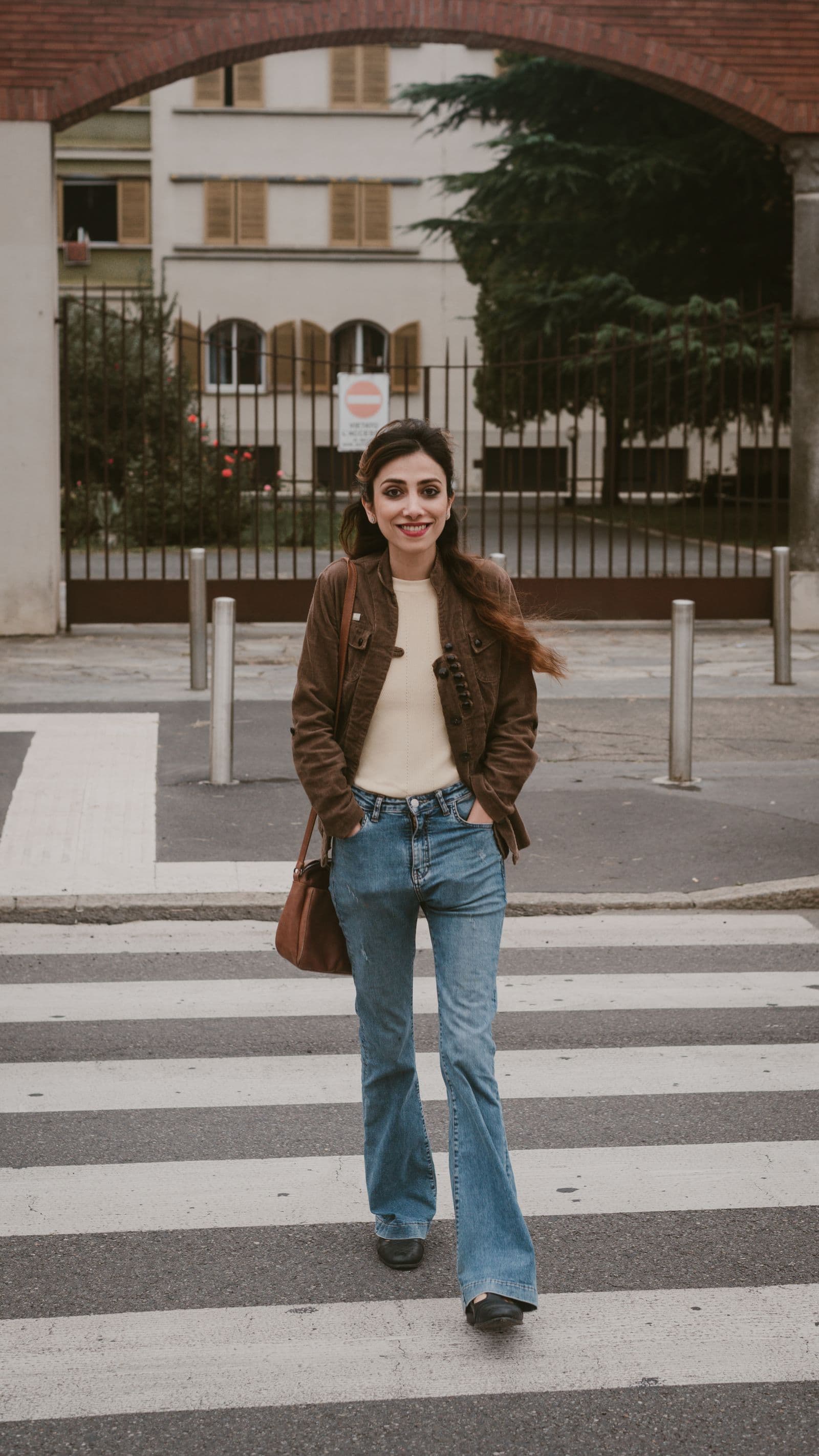
Long-sleeve top + trousers + light jacket + sneakersAdds coverage without heavy insulation.
Closer to 20°C
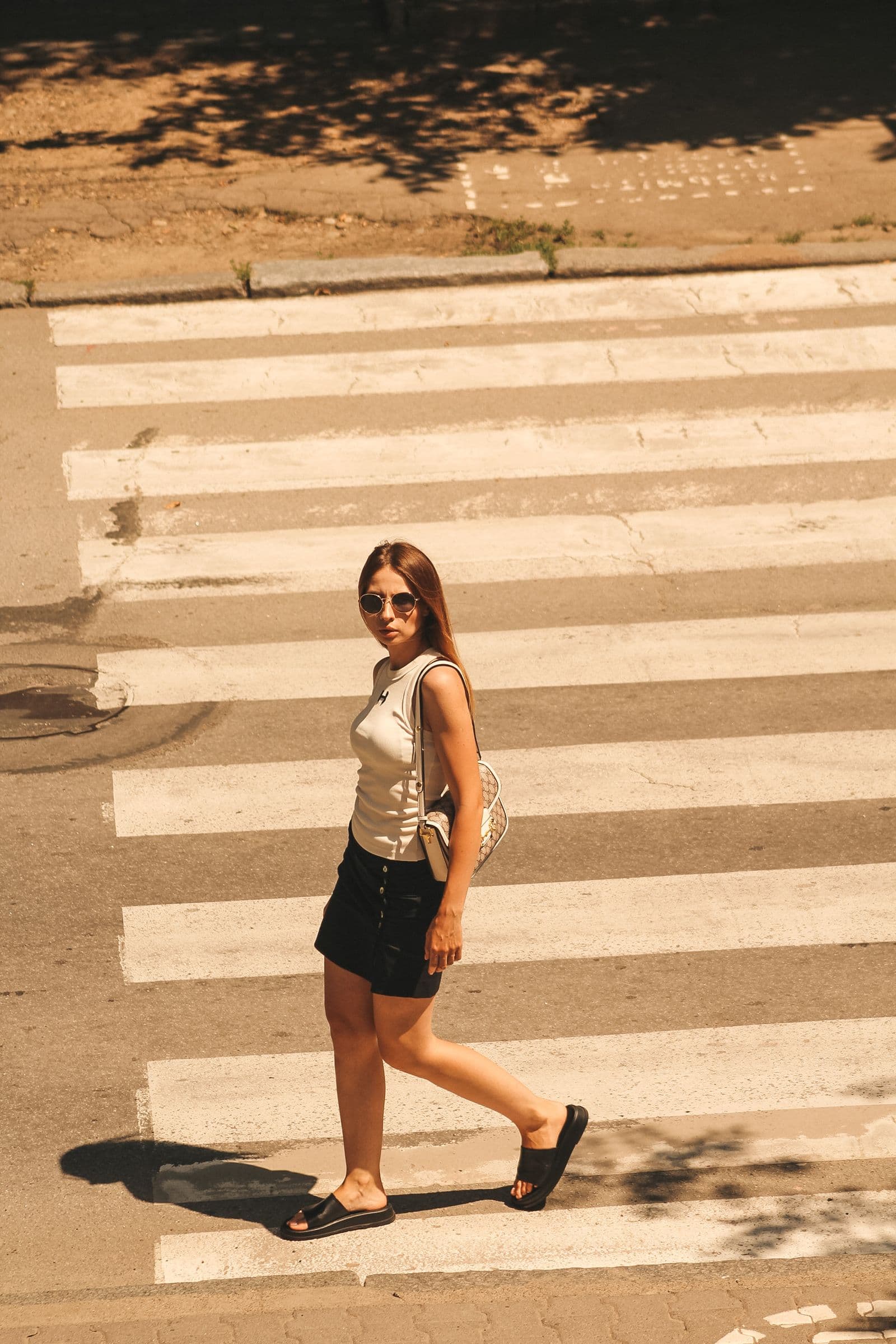
Tee + midi skirt + overshirt + flatsThe layer can come off in sun.
Mild evening
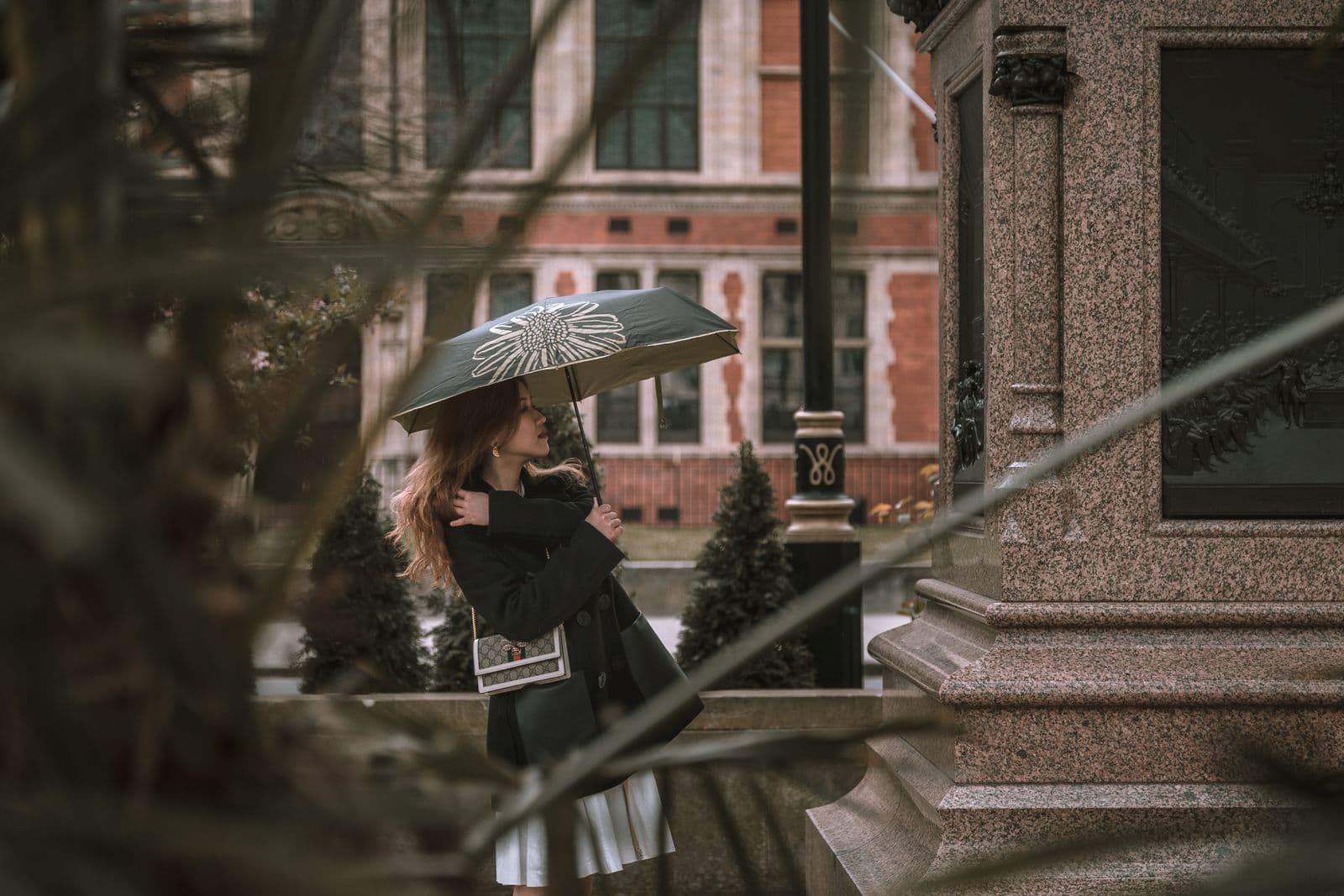
Midi dress + cardigan + loafersSimple polish with enough warmth for the return.
Adjust when the forecast moves
Keep the useful core stable and make the smallest functional change that answers the new condition.
| Situation | Change | Why |
|---|---|---|
| The forecast shifts before departure | change one layer or shoe while keeping the same compatible base | A one-for-one change keeps the wardrobe compatible and the piece count stable. |
| The walking day becomes longer | Use closer to 15°c as the base and choose the most supportive planned shoe. | Distance and surface are harder to improvise around than color or accessories. |
| Dinner or an event becomes smarter | Keep the daytime base where possible, then borrow the polish level from closer to 20°c. | A small switch avoids carrying a separate evening wardrobe. |
| The bag is over its limit | Remove single-use outfits, duplicate shoes or an unrelated color story first. | Low-use duplication creates weight without solving a confirmed need. |
Practical packing list
Give every item a confirmed job. The notes below check function and repeat value against the trip.
Use it with more than one bottom and check that it remains comfortable under the main layer.
Wear or carry this across several days; one-use outer layers rarely earn carry-on space.
Build at least two outfits around this base and confirm the hem works with the chosen shoes.
Style it for at least two plans and confirm that the length, coverage and chosen shoe work together.
Test it for the real walking surface and make sure it works with at least two planned outfits.
Test it for the real walking surface and make sure it works with at least two planned outfits.
Test it for the real walking surface and make sure it works with at least two planned outfits.
Keep this only when the forecast or outfit plan gives it a clear, repeatable job.
Give compact weather item a named day or practical role in the What to Wear in 15–20°C Weather plan before it enters the bag.
Choose a secure size that holds the day's essentials without becoming a second piece of luggage.
Turn this guide into a day-by-day plan.
Use your exact dates, activities, luggage and weather instead of packing from a static list alone.
Common packing mistakes to avoid
Packing the backup before testing the main plan
A backup does not solve an incomplete What to Wear in 15–20°C Weather outfit. Try the main shoe, layer and bag together first. Add a substitute only when it covers a specific failure such as rain, delayed luggage or a documented venue rule.
Counting garments instead of complete outfits
A tidy item count can still hide missing socks, incompatible hems or an outer layer that will not close over the knit. Photograph each complete outfit and note the day beside it before the pieces go into the case.
Letting one special item create several more
Avoid single-use outfits, duplicate shoes or an unrelated color story. A garment that needs its own shoe, bra, bag and coat consumes more space than its single-item count suggests. Keep it only when the confirmed itinerary justifies the whole chain.
Frequently asked questions
Can I wear a dress at 15–20°C?
Yes. Use a midi length and add a cardigan, light jacket or tights nearer the cooler end.
Are sandals appropriate?
They can work near 20°C in dry calm weather, but a closed shoe remains more versatile across the full range.
When should I finalize this packing plan?
Set the capsule about one week before departure, then make the final outer-layer and shoe decision 48 to 72 hours before travel. That window is close enough for a useful forecast while leaving time to wash, test and repack the chosen pieces.
What should I change when the forecast moves outside the expected range?
Keep the outfit formulas and change one functional layer at a time. For this guide, change one layer or shoe while keeping the same compatible base. Rebuild the whole capsule only when the new conditions affect most days rather than one short period.
Sources and further reading
We used these sources to check the practical guidance, then wrote and structured this guide independently. Always verify live weather, host instructions and venue rules close to departure.