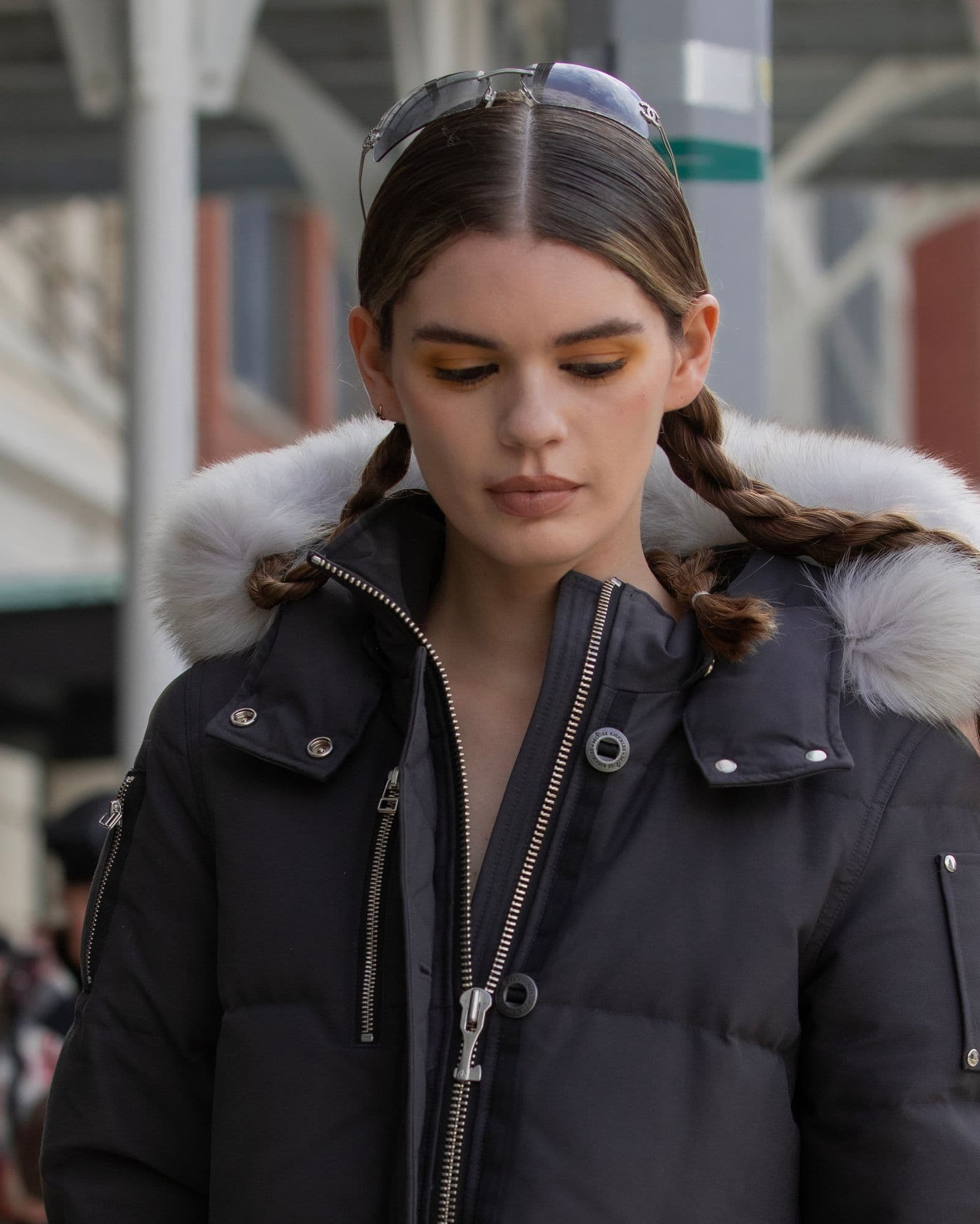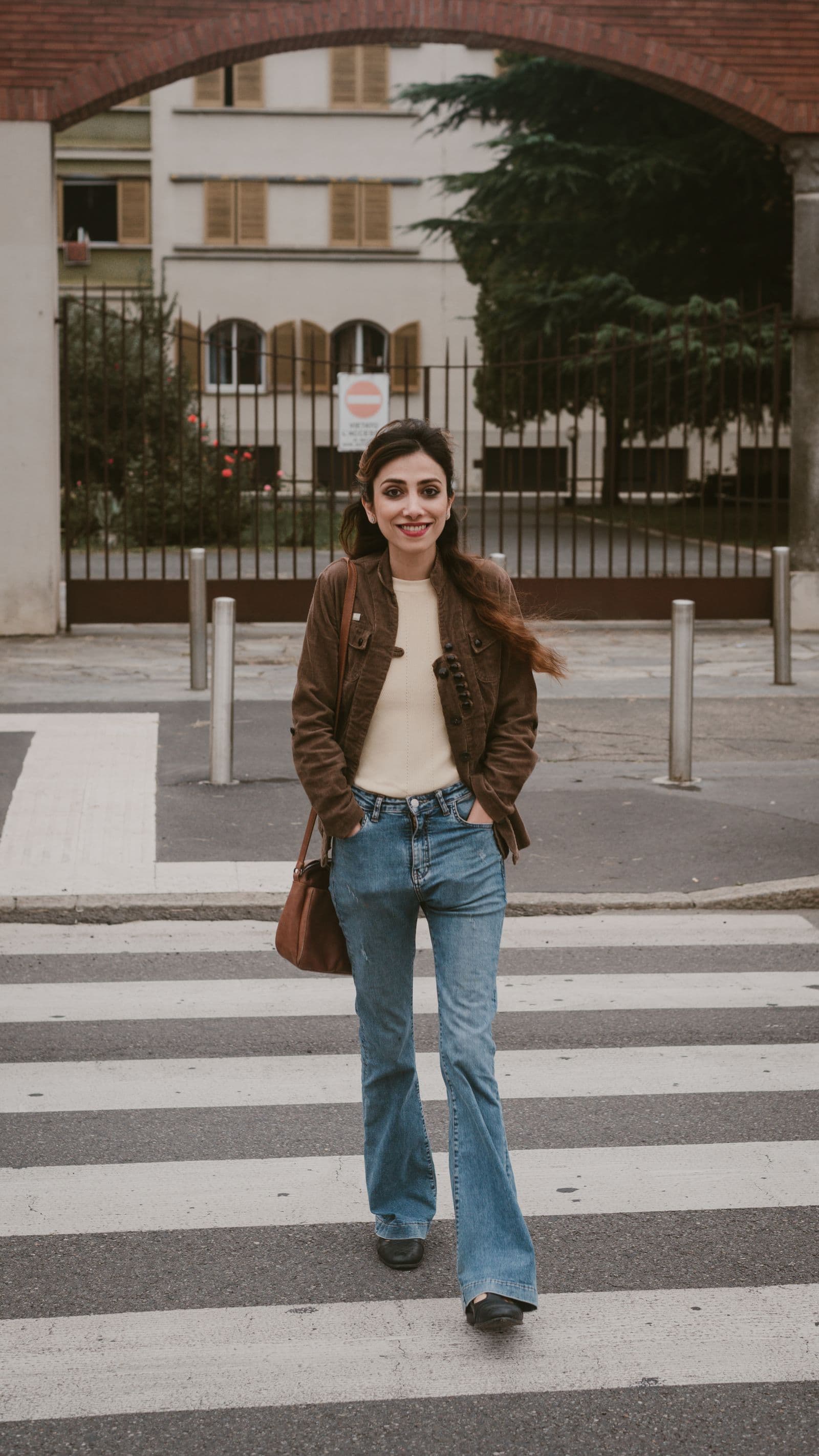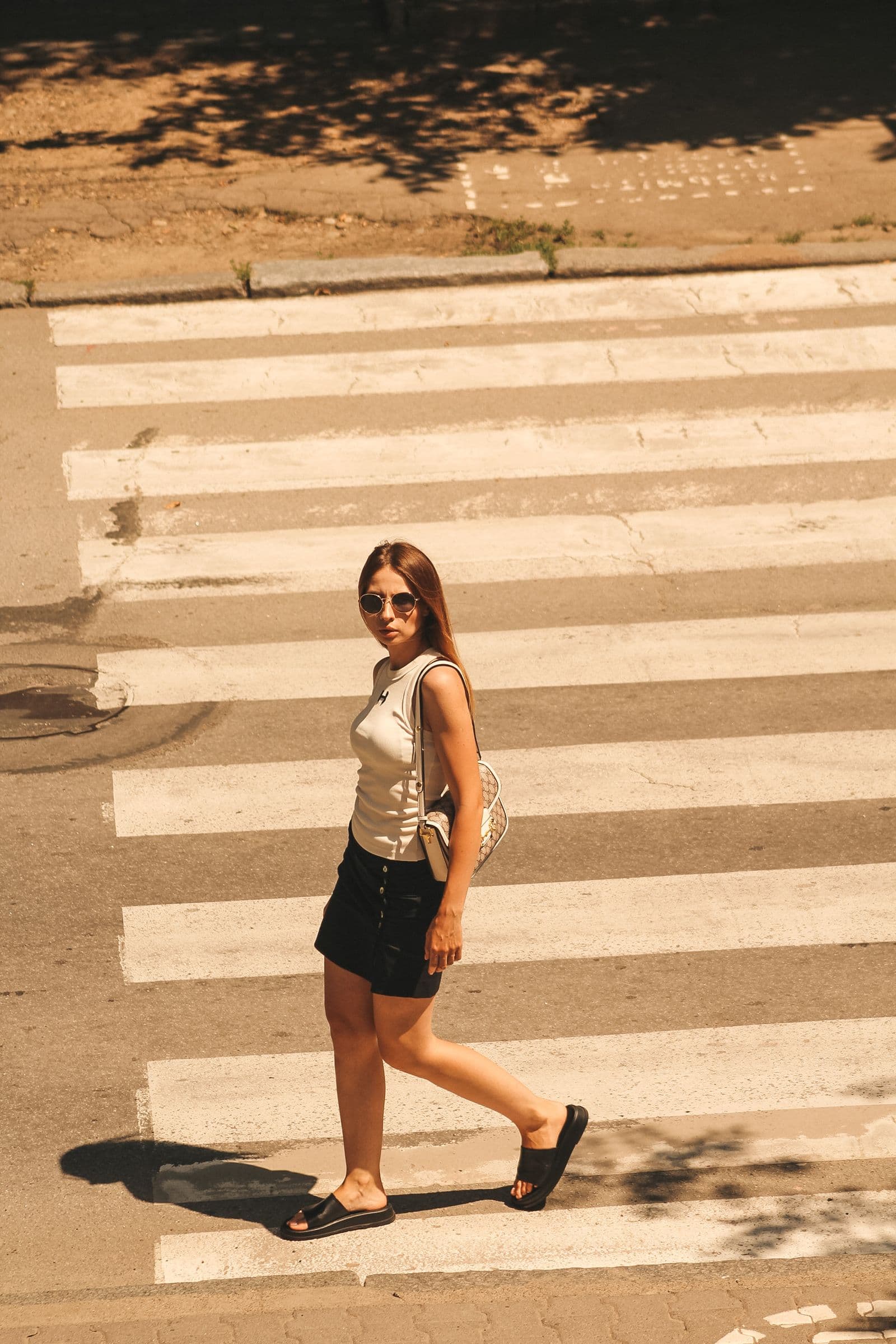
The weather formula
Choose breathable tops, airy trousers or skirts, an easy dress and supportive shoes. Carry one thin overshirt or cardigan for air conditioning, breeze or evening rather than packing a full jacket by default.
- Lightweight woven fabrics keep their shape in warmth.
- A thin indoor layer still has value.
- Supportive footwear prevents heat from amplifying friction.
Favor airflow and repeatability
Cotton poplin, linen blends and lightweight knits can look polished while allowing movement. Loose silhouettes generally handle an active day better than tight heavy fabric.
Choose pieces that can air overnight and repeat without a complicated care routine.
- Breathable top
- Airy bottom
- Easy one-piece
Keep indoor cooling in proportion
A thin overshirt or cardigan is usually enough for museums, restaurants and transport. It should pack into the day bag and work over the dress as well as separates.
Do not add a heavy blazer unless a business or formal commitment gives it a second reason to travel.

Reduce friction on long days
Heat can make an otherwise familiar shoe rub. Wear broken-in footwear, moisture-managing socks where appropriate and carry a small blister solution.
If you choose sandals, use a secure pair rather than a loose slide for distance.
- Broken-in sneaker
- Secure sandal or flat
- Blister care
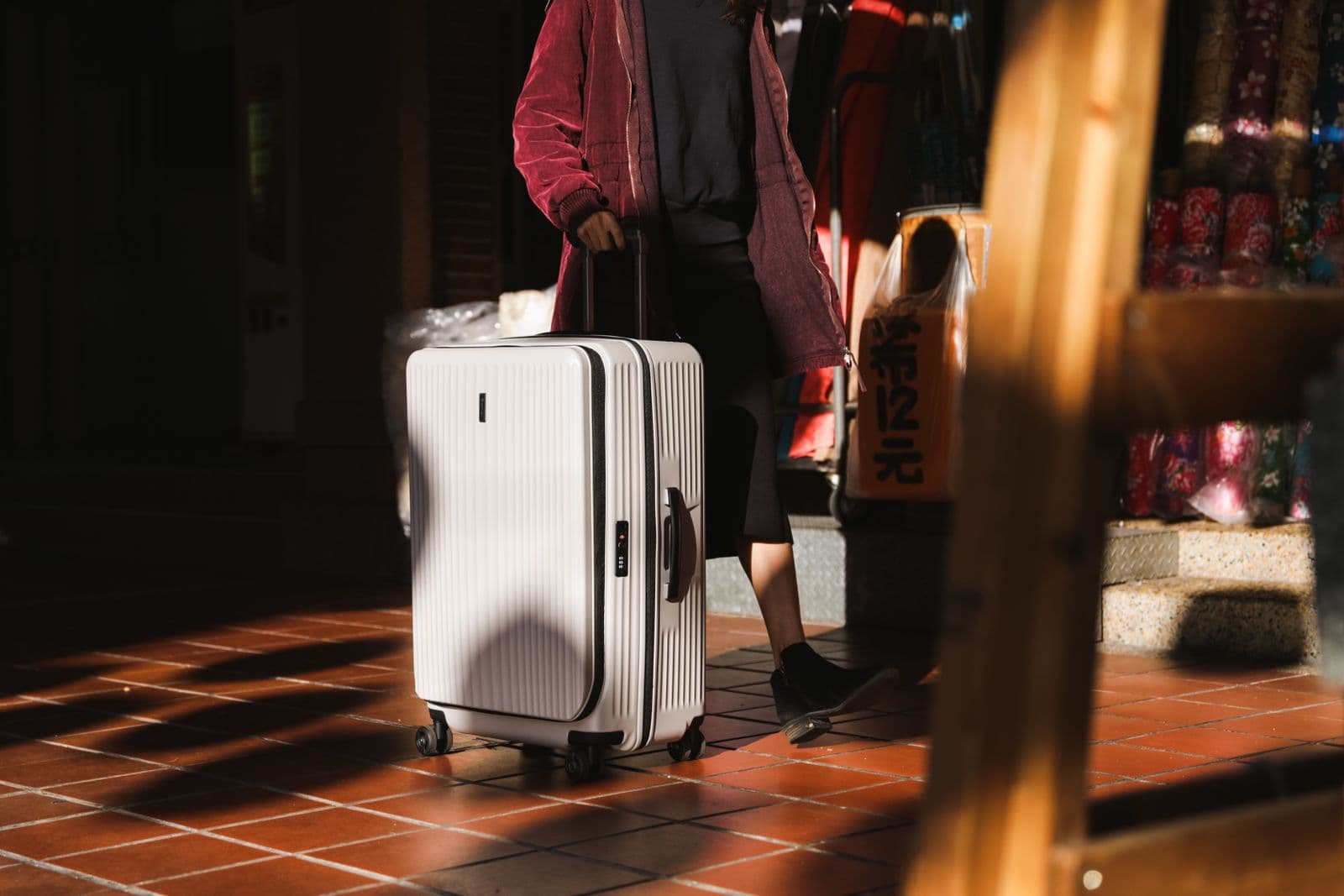
Three outfit formulas
Active day
Cotton shirt + airy trousers + sneakersBreathable and covered for varied city plans.
Museum day
Midi dress + overshirt + flatsHandles strong indoor cooling.
Warm evening
Sleeveless top + midi skirt + sandals + cardiganLight outside with an easy return layer.
Adjust when the forecast moves
Keep the useful core stable and make the smallest functional change that answers the new condition.
| Situation | Change | Why |
|---|---|---|
| The forecast shifts before departure | move to a looser breathable base and keep one thin indoor layer in the day bag | A one-for-one change keeps the wardrobe compatible and the piece count stable. |
| The walking day becomes longer | Use active day as the base and choose the most supportive planned shoe. | Distance and surface are harder to improvise around than color or accessories. |
| Dinner or an event becomes smarter | Keep the daytime base where possible, then borrow the polish level from museum day. | A small switch avoids carrying a separate evening wardrobe. |
| The bag is over its limit | Remove heavy denim, untested light fabrics or a jacket packed only for appearance first. | Low-use duplication creates weight without solving a confirmed need. |
Practical packing list
Give every item a confirmed job. The notes below check function and repeat value against the trip.
Use it with more than one bottom and check that it remains comfortable under the main layer.
Build at least two outfits around this base and confirm the hem works with the chosen shoes.
Style it for at least two plans and confirm that the length, coverage and chosen shoe work together.
Wear or carry this across several days; one-use outer layers rarely earn carry-on space.
Test it for the real walking surface and make sure it works with at least two planned outfits.
Test it for the real walking surface and make sure it works with at least two planned outfits.
Keep this only when the forecast or outfit plan gives it a clear, repeatable job.
Give refillable bottle a named day or practical role in the What to Wear in 20–25°C Weather plan before it enters the bag.
Give blister care a named day or practical role in the What to Wear in 20–25°C Weather plan before it enters the bag.
Keep this only when the forecast or outfit plan gives it a clear, repeatable job.
Turn this guide into a day-by-day plan.
Use your exact dates, activities, luggage and weather instead of packing from a static list alone.
Common packing mistakes to avoid
Packing the backup before testing the main plan
A backup does not solve an incomplete What to Wear in 20–25°C Weather outfit. Try the main shoe, layer and bag together first. Add a substitute only when it covers a specific failure such as rain, delayed luggage or a documented venue rule.
Counting garments instead of complete outfits
A tidy item count can still hide missing socks, incompatible hems or an outer layer that will not close over the knit. Photograph each complete outfit and note the day beside it before the pieces go into the case.
Letting one special item create several more
Avoid heavy denim, untested light fabrics or a jacket packed only for appearance. A garment that needs its own shoe, bra, bag and coat consumes more space than its single-item count suggests. Keep it only when the confirmed itinerary justifies the whole chain.
Frequently asked questions
Do I need a jacket at 20–25°C?
Usually a thin overshirt or cardigan is enough, unless wind, rain or a formal requirement calls for more structure.
Are jeans too warm?
Light denim can work near 20°C, but airy trousers are often more comfortable near 25°C or in humidity.
When should I finalize this packing plan?
Set the capsule about one week before departure, then make the final outer-layer and shoe decision 48 to 72 hours before travel. That window is close enough for a useful forecast while leaving time to wash, test and repack the chosen pieces.
What should I change when the forecast moves outside the expected range?
Keep the outfit formulas and change one functional layer at a time. For this guide, move to a looser breathable base and keep one thin indoor layer in the day bag. Rebuild the whole capsule only when the new conditions affect most days rather than one short period.
Sources and further reading
We used these sources to check the practical guidance, then wrote and structured this guide independently. Always verify live weather, host instructions and venue rules close to departure.